Download the App & Start Learning
- Expert Faculty Guidance
- Updated Study Material
- Mock Tests & Practice Quiz
- Live Doubt Solving Sessions
- Exam-Oriented Preparation
- Motivation & Success Strategy
Katara Academy

Loading blogs…



Preparing for a competitive examination involves learning concepts, solving practice questions and revising important topics regularly. However, many candidates continue making the same mistakes because they move from one practice test to another without reviewing their errors.
An error log is a simple but effective way to record incorrect answers, understand their causes and plan targeted revision. Instead of repeatedly studying everything, candidates can use this method to focus on the areas that need the most attention.
An error log is a notebook, spreadsheet or digital document where you record mistakes made during practice questions, sectional tests and mock examinations.
It should contain more than the question and its correct answer. A useful record explains why the mistake occurred, what you learned from it and what action will help prevent the same error in the future.
Maintaining an error log can help you:
Solving questions is important, but learning from incorrect answers is equally valuable. Without a review system, candidates may forget earlier mistakes and repeat them in future tests.
A well-maintained record turns mistakes into specific learning tasks. For example, if you repeatedly make errors in percentage calculations, you can revise the relevant concepts and practise similar problems instead of revising the entire Quantitative Aptitude syllabus again.
The goal is not to collect as many mistakes as possible. It is to understand each important error and take corrective action.
Keep the format simple so that you can update it after every practice session.
| Column | Information to Record |
|---|---|
| Date | When the mistake was identified. |
| Subject | Quantitative Aptitude, Reasoning, English or General Awareness. |
| Topic | The specific concept or question type involved. |
| Mistake | A brief description of the incorrect response. |
| Reason | Why the error occurred. |
| Correct approach | The concept, rule or method needed to solve it properly. |
| Next action | Revision, additional practice or another review. |
| Review status | Whether the question has been solved correctly again. |
Avoid copying lengthy explanations for every question. Write concise notes that help you remember the key learning point.
Not every incorrect answer has the same cause. Classifying mistakes helps you decide what to do next.
| Mistake Type | Example | Suggested Action |
|---|---|---|
| Conceptual | Applying the wrong mathematical method. | Relearn the concept and solve basic questions. |
| Calculation | Making an arithmetic error. | Practise calculations and verify each step. |
| Memory-related | Forgetting a formula or important fact. | Use spaced revision and short recall exercises. |
| Misreading | Overlooking a condition in the question. | Read carefully and identify the exact requirement. |
| Time management | Spending too long on a single question. | Practise efficient methods and question selection. |
| Guessing | Choosing an option without sufficient reasoning. | Improve elimination skills and assess the risk. |
After identifying the mistake type, choose a corrective action. This makes your revision more focused and measurable.
For mathematics-related questions, record the concept, formula or calculation step that caused the problem.
For example, if you repeatedly make mistakes in profit and loss questions, record whether the issue involves the cost price, selling price, percentage calculation or the interpretation of the question.
Reasoning mistakes may occur because of incorrect pattern recognition, missed conditions or an inefficient solving approach.
For English, keep notes on grammar rules, vocabulary, sentence structure and comprehension mistakes.
General Awareness mistakes often involve forgotten facts, confusion between similar terms or gaps in topic knowledge.
Keep this section brief. The purpose is to make revision easier, not to recreate an entire textbook inside your notebook.
The following example shows how a candidate can turn an incorrect answer into a practical revision task.
| Field | Example Entry |
|---|---|
| Subject | Quantitative Aptitude |
| Topic | Percentage |
| Mistake | Used the wrong base value for a percentage calculation. |
| Reason | Misunderstood what the percentage was calculated from. |
| Correct approach | Identify the reference value before calculating the percentage. |
| Next action | Revise the concept and solve five similar questions. |
| Review status | Reattempt after revision and record the result. |
This is an illustrative example. Your own entries should describe the mistakes you actually make during practice.
Writing down mistakes is only the beginning. You need to revisit them so that the correct method becomes easier to recall.
A practical review routine can include the following:
These intervals are suggestions rather than fixed rules. Adjust the routine according to your available time and how difficult the topic is for you.
Reviewing previous mistakes before another test can help you focus on the areas that need attention. However, avoid spending all your preparation time reading old notes.
Use the results of the new test to update your notes. If the same mistake appears again, investigate whether the concept is still unclear or whether the corrective method needs to change.
A useful error log should be easy to update, simple to review and directly connected to your next revision task.
You can use the following routine alongside your regular study schedule.
| Day | Activity |
|---|---|
| Monday | Record mistakes from recent Quantitative Aptitude practice. |
| Tuesday | Revise reasoning errors and practise similar questions. |
| Wednesday | Review English grammar and vocabulary mistakes. |
| Thursday | Revise General Awareness facts that were forgotten or confused. |
| Friday | Reattempt questions that previously caused difficulty. |
| Saturday | Review recurring mistakes and update their status. |
| Sunday | Evaluate progress and select priorities for the following week. |
This is a flexible example. Adapt it to your preparation level and the amount of time available each day.
Q1. What is the main purpose of an error log?
A. To record only examination dates
B. To identify mistakes and plan corrective action
C. To replace the syllabus
D. To guarantee selection
Answer: B. A mistake log helps candidates understand errors and decide how to correct them.
Q2. What should you record after answering a question incorrectly?
A. Only the question number
B. Only the final score
C. The reason for the error and the corrective action
D. Unrelated study notes
Answer: C. Understanding the cause makes the review more useful.
Q3. What is an appropriate response to a repeated calculation error?
A. Ignore the error
B. Practise calculations and check the working
C. Stop solving mathematics questions
D. Memorise unrelated facts
Answer: B. Targeted practice helps improve calculation accuracy.
Q4. How should candidates handle a forgotten formula?
A. Avoid the topic permanently
B. Record and revise the formula, then practise its application
C. Copy the entire textbook
D. Ignore future mistakes
Answer: B. Revision combined with practice improves recall and application.
Q5. Why should an error log be reviewed regularly?
A. To make the notebook longer
B. To identify unresolved mistakes and check improvement
C. To avoid taking tests
D. To replace all revision materials
Answer: B. Regular review helps candidates monitor progress.
Q6. What should you do if the same mistake occurs again?
A. Delete the entry immediately
B. Investigate the cause and revise the corrective approach
C. Ignore the result
D. Stop studying the subject
Answer: B. Repeated errors may indicate that the underlying issue has not been resolved.
Q7. Which format can be used for an error log?
A. Only a printed textbook
B. A notebook or spreadsheet
C. Only a social media post
D. An examination admit card
Answer: B. Both formats can work if they are easy to maintain and review.
Q8. What should General Awareness notes contain?
A. Unverified facts
B. Concise and verified information about mistakes
C. Only personal opinions
D. Unrelated mathematical formulas
Answer: B. Concise, verified notes support effective revision.
Q9. What is a useful step before another practice test?
A. Ignore all previous errors
B. Revise important weaknesses and practise targeted questions
C. Memorise every solution without understanding it
D. Avoid reviewing performance
Answer: B. Focused revision can help address previously identified problems.
Q10. When can a mistake be marked as resolved?
A. Immediately after copying the answer
B. When the candidate can solve the question correctly and understands the method
C. When the notebook is full
D. When another test is postponed
Answer: B. Understanding and correctly applying the method provides better evidence of improvement.
An error log can make exam preparation more organised by turning incorrect answers into specific learning tasks. Record the cause of each important mistake, revise the relevant concept and practise similar questions before reviewing the result again.
Consistency matters more than creating a complicated system. Keep your notes concise, review them regularly and use the information to guide your next study session. Over time, this approach can help you recognise recurring weaknesses, strengthen understanding and prepare more efficiently for the examination.
For the latest examination syllabus, structure and marking rules, consult the official SSC notification applicable to your recruitment cycle.

Preparing for a competitive examination involves more than completing the syllabus and attempting practice papers. Candidates also need to understand their performance, identify weak areas and make meaningful improvements. Regular practice becomes more effective when every test is followed by a careful review.
SSC CGL mock analysis helps candidates understand their sectional test performance, identify recurring errors and plan targeted revision. Instead of focusing only on marks, aspirants should examine their accuracy, time management and approach to different question types.
A sectional test focuses on one subject or a specific part of the syllabus. It allows candidates to evaluate individual skills without attempting an entire examination paper.
For example, a Quantitative Aptitude test may reveal calculation difficulties, while an English practice paper can highlight problems with grammar, vocabulary or comprehension.
Subject-wise practice can help you:
Before planning your preparation, review the latest official SSC CGL notification for the applicable syllabus, examination structure and marking scheme.
A final score does not explain everything about your performance. Record a few important indicators after each attempt so you can compare results over time.
| Indicator | What to Review |
|---|---|
| Questions attempted | Total number of questions you answered. |
| Correct responses | Number of answers that were accurate. |
| Incorrect responses | Number of answers that were wrong. |
| Unattempted questions | Questions you left unanswered. |
| Time taken | Total time spent completing the test. |
| Topic-wise results | Areas where you performed well or struggled. |
These records help you recognise patterns. For instance, you might discover that your concepts are clear but your performance drops when you work under time pressure.
Accuracy is an important indicator because a high number of attempts does not necessarily mean that you are answering effectively.
Accuracy (%) = (Correct Answers ÷ Total Questions Attempted) × 100
Suppose you attempt 40 questions and answer 32 correctly.
Accuracy = (32 ÷ 40) × 100 = 80%
This means that 80% of your attempted questions were correct. Review the remaining eight responses and identify why they went wrong.
Consider accuracy alongside speed, question difficulty and the applicable negative-marking rules. Avoid increasing your attempts simply to achieve a higher number if doing so leads to frequent mistakes.
Every incorrect answer offers an opportunity to learn. Instead of reading the solution and immediately moving forward, determine why your original approach failed.
| Mistake Type | Possible Cause | Corrective Action |
|---|---|---|
| Conceptual error | The underlying method was unclear. | Revise the concept and solve basic questions. |
| Calculation error | An arithmetic step was incorrect. | Practise calculations and verify your working. |
| Misreading | An important condition was overlooked. | Read each question carefully before answering. |
| Memory gap | A formula or fact was forgotten. | Use short, regular revision sessions. |
| Time pressure | Too much time was spent on one problem. | Practise efficient methods and question selection. |
| Uncertain guessing | The answer was selected without sufficient reasoning. | Improve elimination skills and assess the risk. |
Classifying mistakes helps you select the right solution instead of repeating the same practice routine without addressing the actual problem.
Review whether your mistakes came from weak concepts, incorrect formulas, lengthy calculations or careless arithmetic.
Reasoning questions often require careful observation and logical thinking. Check whether you misunderstood a pattern, overlooked a condition or selected an inefficient approach.
English practice can reveal weaknesses in grammar, vocabulary, sentence structure and reading comprehension.
For General Awareness, identify whether mistakes occurred because of missing knowledge, confusion between similar facts or uncertain guesses.
Solving questions correctly is important, but spending too long on one problem can affect your overall result. Review questions that consumed more time than expected.
Ask yourself whether the extra time was necessary, whether a shorter method was available and whether you should have moved to another question earlier.
Build a reliable solving method first. Increase your speed gradually through repeated practice rather than rushing and making avoidable errors.
An error log is a notebook or spreadsheet that records mistakes and the actions needed to correct them. It helps you revisit earlier problems instead of forgetting them after each test.
| Date | Topic | Mistake | Corrective Action |
|---|---|---|---|
| 22 October | Percentage | Incorrect calculation | Practise similar problems. |
| 22 October | Grammar | Rule applied incorrectly | Revise the rule and solve exercises. |
| 22 October | Reasoning | Pattern misunderstood | Practise related question types. |
These examples are illustrative. Record your own mistakes and update the log after every practice session.
Reviewing mistakes is useful only when you take action. After each test, select two or three important weaknesses and work on them before your next attempt.
For example, if percentage questions repeatedly cause problems, revise the relevant concepts and solve focused exercises before taking another timed test. This approach helps you measure improvement instead of relying on guesswork.
One test cannot provide a complete picture of your preparation. Compare several reasonably similar tests to identify meaningful performance trends.
The following is an example of how candidates can distribute subject practice and review throughout the week. Adjust it according to your syllabus coverage and available study time.
| Day | Suggested Activity |
|---|---|
| Monday | Take a Quantitative Aptitude test and review mistakes. |
| Tuesday | Revise weak mathematical topics and formulas. |
| Wednesday | Practise Reasoning and analyse incorrect answers. |
| Thursday | Take an English test and revise weak areas. |
| Friday | Review General Awareness questions and knowledge gaps. |
| Saturday | Revisit the error log and practise recurring problem areas. |
| Sunday | Review weekly progress and plan the next week. |
Avoid taking more tests than you can analyse properly. A smaller number of carefully reviewed tests can be more useful than repeated attempts without meaningful revision.
Q1. What is the main purpose of a sectional test?
A. To avoid revision
B. To evaluate a particular subject
C. To replace the official examination
D. To guarantee selection
Answer: B. It helps candidates evaluate their knowledge and skills in one subject.
Q2. A candidate attempts 50 questions and answers 40 correctly. What is the accuracy?
A. 60%
B. 70%
C. 80%
D. 90%
Answer: C. Accuracy = (40 ÷ 50) × 100 = 80%.
Q3. What should you do after making a conceptual mistake?
A. Ignore the question
B. Memorise only the option
C. Review the concept and practise similar questions
D. Stop practising
Answer: C. Addressing the underlying concept helps prevent similar errors.
Q4. What is the purpose of an error log?
A. Recording mistakes and corrective actions
B. Recording only examination dates
C. Replacing the syllabus
D. Guaranteeing a result
Answer: A. It helps candidates track repeated problems and organise revision.
Q5. Why should you review the time spent on individual questions?
A. To avoid answering questions
B. To identify inefficient solving methods
C. To increase errors
D. To ignore difficult topics
Answer: B. Time analysis can reveal where a more efficient approach is needed.
Q6. What is a useful response to repeated grammar errors?
A. Ignore grammar
B. Review the relevant rules and practise
C. Study unrelated facts
D. Stop taking English tests
Answer: B. Targeted revision addresses the source of the mistakes.
Q7. Should preparation quality be judged using only one test?
A. Yes, always
B. No, compare results across multiple tests
C. Only when the score is low
D. Only when the test is short
Answer: B. Several comparable results provide a better indication of progress.
Q8. What should you do after identifying a weak topic?
A. Avoid it permanently
B. Revise the concept and practise targeted questions
C. Delete your notes
D. Attempt unrelated tests only
Answer: B. Focused practice helps address the identified weakness.
Q9. What should be considered when comparing two practice-test scores?
A. Only the test title
B. Test difficulty and comparability
C. The paper colour
D. The candidate's favourite subject
Answer: B. Differences in difficulty can affect scores and should be considered.
Q10. What should follow a test review?
A. No further action
B. A targeted improvement plan
C. Abandoning the subject
D. Repeating the same test without review
Answer: B. Reviewing mistakes should lead to revision, focused practice and progress checks.
Effective test analysis helps candidates understand their current preparation level and identify practical ways to improve. Review your accuracy, classify mistakes, track time management and maintain a record of recurring weaknesses.
Rather than focusing only on the number of tests completed, concentrate on what each attempt teaches you. Consistent practice, targeted revision and regular progress reviews can help you build stronger concepts and make better decisions during the examination.
For the latest syllabus, examination structure and marking rules, consult the official SSC notification applicable to the recruitment cycle.

Preparing for the SSC Combined Graduate Level (CGL) Examination involves more than studying Quantitative Aptitude, Reasoning, English and General Awareness. Candidates must also manage their application details, registration information, uploaded documents and examination-related records carefully.
Keeping these records organised can save time when checking application status, downloading examination documents, reviewing payment details or preparing for document verification. SSC CGL 2027 aspirants should develop a simple record-keeping system as soon as they begin the application process.
Application records provide a reference for the information submitted during registration. They can also help candidates retrieve important details when required.
Candidates should maintain a dedicated folder for the recruitment cycle and save the records that are available to them.
| Record | Purpose |
|---|---|
| Registration number or ID | Helps identify the candidate's application. |
| Submitted application form | Provides a reference for the details entered during registration. |
| Application confirmation | Helps confirm that the application process was completed. |
| Payment receipt | Provides a reference for the transaction, if a fee was paid. |
| Official notification | Contains the applicable eligibility conditions, instructions and important dates. |
| Admit card | Contains examination-related information when released. |
| Exam notices and updates | Helps candidates keep track of official announcements. |
| Educational certificates | Supports verification of academic qualifications where required. |
| Category or other applicable certificates | Helps organise documents relevant to claims made in the application. |
Save only the documents relevant to your application and eligibility. The exact records required may vary according to the current SSC CGL notification and the candidate's circumstances.
A clear folder structure is one of the easiest ways to organise application records. Instead of saving every file in Downloads, create a main folder specifically for SSC CGL 2027.
Example folder structure:
SSC-CGL-2027/
├── 01_Official_Notification/
├── 02_Registration_and_Application/
├── 03_Payment_Records/
├── 04_Educational_Documents/
├── 05_Category_Certificates/
├── 06_Admit_Card_and_Exam_Notices/
└── 07_Result_and_Future_Updates/
This structure keeps application records separate from preparation notes, mock tests and study materials. You can adjust the folders according to the documents available to you.
Descriptive file names make documents easier to identify. Avoid names such as document1.pdf, finalfile.pdf or newscan2.jpg.
Instead, use names that explain the document and its purpose.
| Document | Suggested File Name |
|---|---|
| Application form | SSC-CGL-2027-Application.pdf |
| Payment receipt | SSC-CGL-2027-Payment-Receipt.pdf |
| Official notification | SSC-CGL-2027-Official-Notification.pdf |
| Admit card | SSC-CGL-2027-Admit-Card.pdf |
| Graduation certificate | Graduation-Certificate.pdf |
| Relevant category certificate | Category-Certificate.pdf |
These are suggested file names, not official SSC naming requirements. Use accurate names and avoid including unnecessary personal information in filenames.
Candidates can maintain a basic spreadsheet to track the status of their application and related documents. A spreadsheet is useful because it allows information to be updated without searching through several folders.
| Field | Information to Record |
|---|---|
| Examination | SSC CGL 2027 |
| Application status | Not started, in progress or submitted |
| Submission date | Date the application was submitted, if applicable |
| Payment status | Not applicable, pending or confirmed, as relevant |
| Application file | Saved file name or folder location |
| Next action | Any remaining task that needs attention |
Do not place passwords, OTPs or sensitive login credentials in an ordinary spreadsheet. Keep any required login information secure using an appropriate password manager.
Keeping only one copy of an important document can be risky if the device is damaged, lost or affected by a technical problem. Candidates should maintain a secure backup of essential records.
Where documents contain personal information, use secure storage and avoid uploading them to public or shared folders. Never share private application records through public links.
Digital copies are convenient, but candidates may also need to produce original documents or other records according to the applicable recruitment instructions.
Do not assume that a saved scan or photocopy replaces an original document whenever the official process requires the original.
Recruitment-related notices, application instructions and examination documents may become available at different stages. Candidates should regularly check the official SSC website for updates relevant to their examination.
For SSC CGL 2027, follow the latest official announcement when it is published. Do not assume that dates or requirements from an earlier examination cycle will remain unchanged.
Application records can contain personal details, contact information and other sensitive information. Candidates should take basic precautions to protect these records.
If you need assistance with an application issue, use the official support channel described by SSC. Do not provide login credentials to unofficial agents.
Use the following checklist to keep your records organised:
Q1. Why should candidates save a copy of their submitted application?
A. To replace every original certificate
B. To keep a reference of the information submitted
C. To avoid studying for the examination
D. To change details without permission
Answer: B. A saved application copy provides a useful reference for the submitted information.
Q2. Which is the best example of a descriptive filename?
A. file123.pdf
B. latest.pdf
C. SSC-CGL-2027-Application.pdf
D. abcnew.pdf
Answer: C. A descriptive filename helps identify the document quickly.
Q3. What should candidates do if they need to store important digital documents securely?
A. Upload them to a public folder
B. Share them with strangers
C. Use secure storage and appropriate backups
D. Save them only on an unreliable device
Answer: C. Secure storage and backups reduce the risk of losing access to important records.
Q4. Which source should candidates use to verify official examination updates?
A. Unverified forwarded messages
B. Unofficial advertisements only
C. The official SSC website and applicable notices
D. Random social media comments
Answer: C. Official SSC sources should be used to confirm recruitment information.
Q5. Should passwords and OTPs be stored in an ordinary application spreadsheet?
A. Yes, without protection
B. No, they should be kept secure using appropriate methods
C. Yes, if the spreadsheet is shared publicly
D. Only if other candidates can view them
Answer: B. Login credentials should be protected and never shared publicly.
Q6. Why should candidates maintain backups?
A. To create duplicate applications automatically
B. To avoid official instructions
C. To reduce the risk of losing important files
D. To change examination dates
Answer: C. Backups provide another copy if the original file becomes unavailable.
Q7. What should candidates do with newly released examination documents?
A. Ignore them
B. Save and organise them securely
C. Delete older records immediately without checking
D. Publish them online
Answer: B. Organised records make important documents easier to retrieve.
Q8. What is the purpose of an application record sheet?
A. To track application status and related tasks
B. To replace the official application portal
C. To guarantee selection
D. To modify eligibility requirements
Answer: A. A simple record sheet helps candidates track their application-related tasks.
Q9. Should a candidate assume that a certificate from an earlier recruitment automatically meets current requirements?
A. Yes, in every case
B. No, the current applicable instructions should be checked
C. Only if the filename is correct
D. Yes, without reviewing the certificate
Answer: B. Certificate requirements can depend on the current notification and applicable rules.
Q10. What is a good way to protect application records on a shared computer?
A. Leave the account signed in
B. Share the password with other users
C. Log out after use and avoid leaving files accessible
D. Save documents in a public folder
Answer: C. Logging out and protecting saved files reduces unauthorised access.
Organising application records is a simple habit that can make the SSC CGL recruitment process easier to manage. By creating a dedicated folder, using clear filenames, saving important confirmations, maintaining secure backups and following official updates, candidates can keep their information accessible when needed.
SSC CGL 2027 aspirants should begin organising their records early and review the applicable official notification for the exact documents and procedures required. Good record management supports a more organised and confident examination journey.

Completing the SSC CGL application form is an important step for candidates preparing for the Combined Graduate Level Examination. Even a small error in personal details, educational qualifications, category information or uploaded documents can create difficulties during later stages of recruitment. Therefore, candidates should review their application carefully before submitting it.
The Staff Selection Commission (SSC) may provide an application correction facility according to the rules specified in the official examination notification. However, candidates should not assume that every field can be edited or that corrections will always be available. The safest approach is to verify all information before final submission.
Application verification helps candidates identify typing errors, incorrect selections and document-related problems before completing the registration process. It also helps ensure that the details entered in the application match the information available in official records.
Begin by checking the personal information entered in the application form. Compare these details with the relevant official documents wherever applicable.
| Detail | What to Check |
|---|---|
| Candidate's name | Spelling, name order and consistency with the applicable official record. |
| Date of birth | Correct date and consistency with the document specified in the notification. |
| Father's and mother's names | Spelling and details as required by the application form. |
| Gender | Correct selection in the relevant field. |
| Nationality | Correct response according to the eligibility requirements. |
| Category | Correct category selection and eligibility for the claimed reservation benefit. |
| Contact information | Working mobile number and email address, with access to OTPs and official communications. |
Important: If your name or date of birth differs across documents, do not enter a guessed value. Check the instructions in the current SSC CGL notification and the relevant official records before submitting the form.
Educational qualifications are an important part of the SSC CGL application. Candidates should confirm that their selected qualification details accurately represent their academic records and meet the requirements of the post for which they are applying.
Eligibility conditions can vary by post. Candidates should consult the official notification instead of relying only on previous years' requirements or unofficial summaries.
Category-related information should be reviewed with particular care because reservation benefits depend on the applicable rules and supporting documents. Selecting a category incorrectly may create complications later in the recruitment process.
Do not assume that a certificate issued for an earlier recruitment automatically satisfies the requirements of the current examination. Follow the certificate conditions and dates specified in the applicable official instructions.
Before final submission, review the uploaded photograph and signature. Follow the precise image specifications and upload instructions provided by SSC for the relevant recruitment cycle.
| Item | Verification Points |
|---|---|
| Photograph | Check clarity, visibility, framing and compliance with the specified requirements. |
| Signature | Confirm that the signature is clear, legible and uploaded in the required format. |
| File specifications | Check the permitted file type, size, dimensions and any other stated conditions. |
| Upload status | Ensure that the required files have been accepted and are visible where a preview is provided. |
Do not rely on image specifications from an old notification. The requirements applicable to SSC CGL 2027 must be checked in the official notification and application portal when released.
If the application asks candidates to select examination centres or provide post preferences, review every selection before submitting the form.
Post preferences can affect the allocation process. Read the official instructions carefully and make informed selections rather than choosing options randomly.
Candidates who are required to pay an application fee should verify the payment status before leaving the application portal.
Fee exemptions and payment procedures should always be checked against the current SSC CGL notification.
Use this checklist before completing your SSC CGL 2027 application.
If you identify an error before final submission, correct it in the relevant field and review the updated information again. Make sure that the corrected details remain consistent with the applicable documents.
If the application has already been submitted, check the official SSC website and the current examination notification for instructions about correction windows, permitted changes, applicable charges and deadlines. A correction facility may not allow every field to be edited.
Never assume that sending an email or contacting an unofficial agent will change the details in your application. Use only the official process described by SSC.
Q1. When should candidates ideally check their SSC CGL application details?
A. Only after the examination
B. Before final submission
C. After document verification only
D. Only when the admit card is released
Answer: B. Candidates should review the application carefully before final submission.
Q2. What should a candidate do if the name in the application differs from the relevant official record?
A. Ignore the difference
B. Enter a random alternative
C. Check the official instructions and relevant records
D. Create another application immediately
Answer: C. The candidate should verify the correct details and follow the applicable instructions.
Q3. Which source should be used to confirm the photograph and signature specifications?
A. An old social media post
B. An unrelated examination notice
C. The applicable official SSC notification and portal instructions
D. A coaching advertisement
Answer: C. Current official instructions are the appropriate source.
Q4. Does an application correction facility necessarily allow every field to be changed?
A. Yes, always
B. No, permitted changes depend on official rules
C. Only the name can be changed
D. Every field can be changed without conditions
Answer: B. Candidates must check the correction rules for the relevant examination cycle.
Q5. What should candidates retain after successful submission?
A. Only a screenshot of the homepage
B. Their password in a public document
C. The application copy and payment confirmation, where applicable
D. No records
Answer: C. Retaining application records helps with future reference.
Q6. Why should category details be checked carefully?
A. They are never used in recruitment
B. They may affect eligibility for applicable reservation benefits
C. They replace educational qualifications
D. They determine the examination date
Answer: B. Category claims must satisfy the applicable recruitment rules.
Q7. What should a candidate do if a payment appears pending?
A. Pay repeatedly without checking
B. Ignore the payment status
C. Follow the official portal's payment instructions
D. Submit false payment details
Answer: C. Candidates should verify the transaction status and follow the official process.
Q8. Why should candidates check post-specific eligibility?
A. Requirements may differ between posts
B. All posts have identical conditions
C. It is needed only after joining
D. It replaces the application form
Answer: A. Some posts may have additional eligibility or standards.
Q9. What is the safest approach to application correction after submission?
A. Depend on unofficial agents
B. Wait for a correction facility and verify the official rules
C. Assume every error will be ignored
D. Create duplicate applications without checking the rules
Answer: B. Candidates should follow the correction process announced by SSC.
Q10. Which action is recommended before leaving the application portal?
A. Delete the application details
B. Share login credentials publicly
C. Review the final application and save available records
D. Ignore the submission status
Answer: C. Final verification and record keeping are important precautions.
Careful application verification is a simple but important part of SSC CGL preparation. Candidates should review their personal details, educational qualifications, category information, uploaded files, preferences and payment status before final submission. If an error is discovered later, they should consult the official SSC notification and portal to understand the permitted correction process.
For SSC CGL 2027, always follow the latest official instructions when they become available. A careful review can help you avoid preventable application mistakes and keep your recruitment records organised.

Entering the correct date of birth is an important step when applying for SSC CGL 2027. Candidates should carefully check their date of birth against the documents accepted under the official recruitment instructions. A mismatch between the application form and supporting records may create difficulties during document verification.
Before completing the SSC CGL application, understand which records to review, how to identify discrepancies, and what steps to take if your date of birth is incorrect. This guide explains the key considerations candidates should keep in mind.
Date of birth can affect age eligibility and identity verification. SSC recruitment notices specify the applicable age limits and the method used to determine a candidate's age.
Entering an incorrect date can cause inconsistencies between the application form and official records. Candidates should therefore verify the date before submission rather than relying only on memory or an informal document.
For many SSC recruitment processes, the date of birth recorded in the Matriculation or Class 10 certificate is an important reference. However, candidates should always confirm the precise requirements in the latest SSC CGL notification and application instructions.
Before applying, review your Class 10 certificate or marksheet and check the following details:
Do not assume that every identity document or birth-related record can automatically replace the document required by the recruitment authority.
Candidates may have several records containing their date of birth, such as an Aadhaar record, birth certificate, school record, passport, or other official document. The existence of multiple records does not mean that all of them are interchangeable for SSC recruitment.
The document accepted for a particular purpose depends on the official instructions applicable to the recruitment. Before relying on any document, check whether SSC specifies a particular record or permits an alternative in your circumstances.
| Document or Record | What to Check |
|---|---|
| Class 10 or Matriculation certificate | Verify the recorded date of birth and the document requirements in the notification. |
| School records | Check the date recorded and whether the record is accepted for the relevant purpose. |
| Birth certificate | Check the issuing authority and whether SSC permits it for the specific requirement. |
| Aadhaar or another identity record | Verify whether it is required for identity purposes and whether it is accepted as DOB proof. |
| Passport or other official record | Confirm whether the current recruitment instructions recognise it for the intended purpose. |
This table is a general comparison, not a declaration that every listed document is accepted as date-of-birth proof. Follow the current SSC CGL notification for the final requirements.
SSC CGL posts may have different age limits. The applicable age range and crucial date for calculating age are specified in the recruitment notice.
To check your eligibility:
Do not calculate eligibility using the current date unless that is the date specified by the recruitment rules. The relevant date may be different from the day you complete the application.
A date-of-birth mismatch should be investigated before submitting the application. Differences may result from a data-entry error, an incorrect school record, a clerical mistake, or an inconsistency between official documents.
If you discover a discrepancy:
Do not alter an official certificate yourself or select a date simply because it makes you eligible. Use accurate information and follow the applicable rules.
If you notice an error before submitting the application, correct it using the permitted fields in the application portal and check the final preview carefully.
If you have already submitted the form, follow these steps:
Not every field can necessarily be corrected after submission. If the portal does not permit the required change, consult the official SSC helpdesk or recruitment authority rather than assuming that a new application will solve the problem.
Eligible candidates may receive age relaxation under the applicable recruitment rules. The conditions differ according to the relevant category or other eligibility provision.
Before claiming age relaxation, candidates should:
Do not assume that every category receives the same relaxation or that a category claim automatically establishes eligibility for every post. Refer to the official notice for the applicable rules.
Use the date supported by the document required under the current SSC instructions. Check the latest notification before submitting your application.
Do not assume that Aadhaar is accepted for every purpose. Check the current recruitment instructions to determine which document is required for date-of-birth verification.
Contact the issuing board or relevant authority and follow its formal correction procedure. Do not change the certificate yourself.
Correction depends on the official rules and whether the relevant field is included in an announced correction facility. Check the applicable deadline and instructions.
Check the age range and crucial date specified for your preferred post in the latest SSC CGL notification. Apply any relaxation only if you satisfy the applicable conditions.
Q1. Why is the date of birth important in an SSC CGL application?
A. It determines only the examination centre
B. It can affect age eligibility and identity verification
C. It determines the candidate's subject preference
D. It replaces educational qualifications
Answer: B. Date of birth is relevant to age eligibility and verification of personal details.
Q2. What should candidates check before entering their date of birth?
A. An unrelated social media post
B. Their memory alone
C. The relevant official record and SSC instructions
D. A friend's application
Answer: C. Candidates should verify the required proof and enter accurate details.
Q3. Does every identity document automatically qualify as date-of-birth proof?
A. Yes, always
B. No, the accepted document depends on the official instructions
C. Only for graduates
D. Only for candidates from cities
Answer: B. Documents accepted for identity may not automatically be accepted for every other purpose.
Q4. What should you do if two official records show different dates of birth?
A. Choose whichever date gives a better age advantage
B. Alter one document yourself
C. Investigate the discrepancy and follow the official correction procedure
D. Ignore the difference
Answer: C. Discrepancies should be resolved through the appropriate official process.
Q5. Which date should be used when calculating SSC CGL age eligibility?
A. Always today's date
B. The date specified in the recruitment notification
C. The application submission date in every case
D. The date of the first mock test
Answer: B. The official notice specifies the relevant date for calculating age.
Q6. What should a candidate do after noticing a date-of-birth error in a submitted form?
A. Assume it will be corrected automatically
B. Follow the official correction instructions and deadlines
C. Change the certificate independently
D. Ignore the application
Answer: B. The correction procedure depends on the rules and facilities announced by SSC.
Q7. Do all SSC CGL posts necessarily have the same age limit?
A. Yes
B. No, age limits may vary by post
C. Only during registration
D. Only for candidates with a degree
Answer: B. Candidates should review the age conditions applicable to each post.
Q8. What should a candidate do if a certificate needs correction?
A. Edit the original file without permission
B. Contact the relevant issuing authority
C. Submit an unrelated document
D. Ignore the error
Answer: B. Official records should be corrected through the appropriate authority.
Q9. What determines whether a candidate can claim age relaxation?
A. Personal preference alone
B. The applicable eligibility rules and supporting documentation
C. The number of practice tests completed
D. The preferred examination centre
Answer: B. Age relaxation is subject to the conditions specified in the recruitment rules.
Q10. What is the best final step before submitting the application?
A. Skip the preview
B. Enter details without checking
C. Compare personal details with relevant records and review the application
D. Ignore any mismatch
Answer: C. A final review helps reduce avoidable application errors.
Checking date-of-birth details carefully is an important part of SSC CGL 2027 application preparation. Candidates should verify the accepted proof, review age eligibility using the correct reference date, and resolve any discrepancies before the relevant deadline.
Always follow the latest official SSC CGL notification and application instructions. Accurate personal information and early document checks can help prevent avoidable difficulties during registration and document verification.

While applying for SSC CGL 2027, candidates should carefully check their names and personal details across the application form, educational certificates, identity documents, and other supporting records. Even a small spelling difference can create confusion during document verification if it is not handled properly.
Name differences may occur because of spelling variations, initials, surname changes, typographical errors, or updates made to official records. This guide explains how candidates can identify discrepancies, understand possible solutions, and prepare their documents before applying.
Recruitment authorities use application details and supporting documents to verify a candidate's identity and eligibility. When names differ across records, officials may need additional clarification or supporting documents.
Common examples include:
A difference does not automatically mean that a candidate is ineligible. However, candidates should identify the issue early and follow the applicable official procedure.
Before completing the SSC CGL application, compare the details in your relevant records.
Not every document has the same purpose or evidentiary value. Follow the current SSC notification to understand which records are accepted for each requirement.
| Type of Difference | Example | What to Check |
|---|---|---|
| Spelling variation | “Rahul” and “Raahul” | Compare the original records and determine which detail is correct. |
| Missing initial | “A. Kumar” and “Ajay Kumar” | Check the official name recorded in the relevant documents. |
| Different name order | Surname appearing first in one record | Check whether the difference is only formatting or reflects a different entry. |
| Changed surname | A surname updated after marriage | Check whether official proof of the name change is available and required. |
| Typing error | An extra or missing letter in the application | Check the official correction procedure and deadline. |
| Different name across certificates | Graduation record differs from Class 10 record | Contact the relevant issuing authority for guidance. |
These examples are illustrative. The appropriate solution depends on the type of discrepancy, the official records, and the recruitment instructions.
If you notice a name error before final submission, correct it carefully in the application form before proceeding, where the portal permits editing.
If the form has already been submitted, do not assume that every field can be changed. Follow these steps:
If no correction facility is available or the name discrepancy is significant, consult the official SSC helpdesk or the relevant recruitment authority for guidance. Do not submit a second application unless the official instructions permit or require it.
If the name on your educational certificate differs from your other records, first determine whether the difference is a simple spelling variation, an abbreviation, or a formal name change.
Do not alter a marksheet, degree certificate, or other official document yourself. Any correction should follow the issuing authority's procedure.
Some candidates have a legitimate name change after marriage or through a formal legal process. In such cases, it is important to retain appropriate supporting evidence of the change.
Depending on the circumstances and applicable rules, supporting records may include official name-change documentation or other evidence accepted by the relevant authority.
Before applying:
The exact documents required depend on the circumstances and the applicable recruitment rules. Do not assume that one type of supporting document is accepted in every case.
Prevention is easier than resolving a discrepancy near the application deadline. Use this checklist before registration.
The supporting records required depend on the nature of the mismatch. Candidates should review the official instructions rather than prepare documents based on assumptions.
Depending on the circumstances, relevant records may include:
Keep sensitive personal documents secure and submit them only through official channels when required.
Q1. Why should candidates compare their names across official documents?
A. To change their eligibility automatically
B. To identify discrepancies before application or verification
C. To avoid studying
D. To guarantee selection
Answer: B. Early checking helps candidates identify and address inconsistencies.
Q2. What should a candidate do if a name is entered incorrectly before final submission?
A. Ignore the error
B. Correct it through the permitted application process
C. Edit the certificate instead
D. Submit false information
Answer: B. Candidates should use the permitted portal options before submitting.
Q3. Can every application field necessarily be corrected after final submission?
A. Yes, at any time
B. No, correction depends on the official rules and available facility
C. Only on weekends
D. Only after the examination
Answer: B. The applicable correction facility and deadlines determine what can be changed.
Q4. What should a candidate do if an educational certificate contains a name error?
A. Alter the certificate independently
B. Ignore the discrepancy
C. Contact the issuing authority about its correction procedure
D. Submit another person's certificate
Answer: C. Official documents should be corrected through the appropriate authority.
Q5. What may help explain a legitimate name change?
A. Unverified social media comments
B. Appropriate official supporting documentation
C. A coaching receipt
D. A mock-test score
Answer: B. The accepted evidence depends on the circumstances and applicable rules.
Q6. What is the safest approach to a name mismatch?
A. Guess which name to use
B. Make unauthorised changes
C. Compare original records and follow official instructions
D. Ignore all supporting documents
Answer: C. Candidates should use accurate information and the prescribed process.
Q7. Where should candidates check the application correction deadline?
A. An unrelated social media post
B. The latest official SSC instructions
C. An old coaching timetable
D. A friend's application
Answer: B. Official recruitment instructions determine the correction procedure and deadlines.
Q8. Does a minor spelling variation automatically mean a candidate is ineligible?
A. Yes, in every case
B. No, the discrepancy should be assessed under the applicable rules
C. Only for graduates
D. Only for candidates from rural areas
Answer: B. The outcome depends on the circumstances and the recruitment authority's requirements.
Q9. Why should candidates save their final application confirmation?
A. To maintain a record of the submitted details
B. To guarantee a preferred posting
C. To change their degree
D. To skip document verification
Answer: A. Confirmation records help candidates refer to their submitted application.
Q10. What should candidates do before finalising their SSC CGL application?
A. Skip the preview
B. Enter details from memory only
C. Review personal details against relevant records
D. Ignore spelling differences
Answer: C. A careful review can help prevent avoidable application mistakes.
Name consistency is an important part of SSC CGL 2027 application preparation. Candidates should compare their educational certificates, identity records, and application details before submitting the form. If a discrepancy exists, identify its cause and follow the appropriate official correction or clarification procedure.
Do not alter official documents or assume that every error can be corrected after submission. Always check the latest SSC notification and application instructions so that your information is accurate and your supporting records are ready for verification.

Candidates preparing for SSC CGL 2027 should understand the documentation requirements before completing their online application. For Persons with Benchmark Disabilities (PwBD), it is particularly important to review the applicable disability certification rules, post-specific eligibility conditions, and examination accommodation procedures.
Preparing the correct documents in advance can help candidates avoid last-minute confusion during registration and document verification. This guide explains the key documents to review, common mistakes to avoid, and the steps to take before submitting an SSC CGL application.
PwBD stands for Persons with Benchmark Disabilities. Under the applicable disability-rights framework, benchmark disability generally refers to a specified disability of at least 40%, as certified by the competent authority, subject to the applicable legal provisions.
For SSC CGL recruitment, candidates should check the current official notification to understand the relevant disability categories, eligibility conditions, reservation provisions, and post-specific requirements. Not every disability category necessarily applies to every post.
Eligible candidates should review their disability certificate and any applicable Unique Disability ID (UDID) documentation. The exact document accepted and required at each recruitment stage must be verified from the current SSC instructions.
Do not assume that a UDID card automatically replaces every document required by a recruitment authority. Follow the exact instructions in the current notification.
Keep the identity information or documents required by the SSC application portal available. Check that your name, date of birth, and other personal details match the relevant records.
If your name or other information differs across documents, identify the discrepancy early and follow the appropriate correction procedure through the relevant authority.
SSC CGL posts generally require a bachelor's degree, subject to the specific eligibility requirements of the post. Keep your graduation marksheets, degree certificate, and other relevant academic records organised.
Candidates who require examination accommodations should read the instructions carefully. Depending on the applicable rules and individual circumstances, additional documentation or declarations may be required.
Possible areas to check include:
Do not assume that every PwBD candidate automatically qualifies for every accommodation. Requirements depend on the applicable rules, disability-related needs, and examination instructions.
Before choosing SSC CGL post preferences, candidates should check the suitability conditions specified for the relevant posts. Certain positions may have identified functional requirements or disability-category suitability conditions under the applicable recruitment rules.
Review the official notification to determine:
Do not assume that every SSC CGL post has identical suitability conditions. Check the current post-specific information before finalising preferences.
| Document or Detail | What to Verify |
|---|---|
| Disability certificate | Category, personal details, issuing authority, and applicable validity requirements |
| UDID documentation, where applicable | Details are accurate and the document meets the stated requirements |
| Identity information | Name, date of birth, and other required details |
| Educational records | Degree, university, passing details, and post-specific qualifications |
| Accommodation-related documents | Required declarations, certificates, and application procedures |
| Application confirmation | Submitted details and confirmation records are saved |
This is a general preparation checklist, not a universal list of documents that every candidate must upload. The exact requirements depend on the current recruitment notification and the candidate's circumstances.
If your certificate contains incorrect personal information or another discrepancy, contact the competent issuing authority and ask about its official correction procedure.
Do not alter the certificate yourself or submit inaccurate information to match another document. If the issue may affect your application deadline, review the current SSC instructions and seek clarification from the appropriate authority as early as possible.
Also check whether any correction window or additional-document procedure has officially been announced. Do not assume that every error can be corrected after final submission.
Disability certificates and identity records contain sensitive personal information. Store them carefully and share them only when necessary through official or trusted channels.
No. Disability-related documentation is relevant to candidates making applicable PwBD claims or requests. All candidates must follow the general application requirements applicable to them.
Not necessarily. Candidates should check the current recruitment instructions to determine which disability documents are accepted or required at each stage.
Post suitability depends on the applicable recruitment rules and the disability-category suitability information specified for the post. Check the current official notification before selecting preferences.
Depending on the applicable instructions, candidates may need to make a specific request or submit supporting documentation. Follow the current examination notice and application portal instructions.
Check the official SSC website, the current SSC CGL notification, and the relevant instructions from the competent disability-certification authority.
Q1. What does PwBD stand for?
A. Persons with Basic Documents
B. Persons with Benchmark Disabilities
C. Public Welfare Board Department
D. Personal Work Benefit Details
Answer: B. PwBD stands for Persons with Benchmark Disabilities.
Q2. What should candidates check before using a disability certificate?
A. Only its colour
B. Personal details, certification information, and applicable requirements
C. Only the file name
D. The number of pages in their textbook
Answer: B. The certificate should meet the applicable documentation requirements.
Q3. Does every SSC CGL post necessarily have identical disability-suitability conditions?
A. Yes
B. No, post-specific conditions may differ
C. Only for new candidates
D. Only for candidates from cities
Answer: B. Candidates must review the suitability information applicable to each post.
Q4. What should a candidate do if their certificate contains an error?
A. Edit the certificate independently
B. Ignore the discrepancy
C. Contact the competent issuing authority
D. Submit another person's certificate
Answer: C. Corrections should be handled through the proper official procedure.
Q5. Are all examination accommodations automatically available to every PwBD candidate?
A. Yes, without conditions
B. No, applicable eligibility and request procedures must be followed
C. Only after the examination
D. Only if a candidate applies twice
Answer: B. Accommodation requirements depend on the applicable rules and examination instructions.
Q6. Why should candidates review post-specific eligibility?
A. To understand whether a post's conditions apply to them
B. To change the examination syllabus
C. To guarantee selection
D. To avoid reading the notification
Answer: A. Reviewing post-specific conditions supports informed preference decisions.
Q7. What is the safest source for current SSC CGL PwBD requirements?
A. Unverified social media comments
B. An old notification only
C. The latest official SSC notification and applicable rules
D. A random preference list
Answer: C. Official instructions should guide documentation and eligibility decisions.
Q8. How should candidates store disability-related documents?
A. In a public social media post
B. On an unknown website
C. Securely, with access limited to appropriate use
D. By sharing them with everyone
Answer: C. Secure storage helps protect sensitive personal information.
Q9. What should candidates do if an accommodation request requires additional documents?
A. Ignore the requirement
B. Follow the current official procedure and deadline
C. Submit unrelated documents
D. Assume the request is automatic
Answer: B. Candidates should follow the applicable examination instructions.
Q10. What is the best approach to PwBD documentation for SSC CGL 2027?
A. Rely on assumptions
B. Prepare accurate documents and verify current official requirements
C. Ignore post suitability
D. Wait until the final deadline
Answer: B. Early preparation and accurate documentation can reduce avoidable application problems.
Preparing PwBD documents carefully is an important part of SSC CGL 2027 application planning. Candidates should review their disability certification, check the applicable post-suitability conditions, understand examination accommodation procedures, and organise their supporting records before registration.
Always rely on the latest official SSC notification and the relevant competent authority for final requirements. Accurate information, secure document storage, and early preparation can help make the application process more organised.

Candidates preparing for SSC CGL 2027 should understand the eligibility and document requirements before claiming any reservation benefit. For applicants considering the Economically Weaker Sections (EWS) category, the Income and Asset Certificate is an important document that must satisfy the applicable government rules and recruitment instructions.
Understanding EWS eligibility, the prescribed certificate format, the issuing authority, and the relevant dates can help candidates prepare their applications more carefully. This guide explains the basics candidates should know before applying for SSC CGL 2027.
EWS stands for Economically Weaker Sections. It is a category for eligible individuals who are not covered by the applicable reservation provisions for Scheduled Castes (SC), Scheduled Tribes (ST), and Other Backward Classes (OBC), subject to the governing rules.
For central government recruitment, EWS eligibility is assessed under the applicable central government criteria. A candidate should not claim EWS benefits solely because their income is low; the relevant eligibility conditions must also be satisfied.
An EWS Income and Asset Certificate is an official document used to support an eligible candidate's EWS claim. It is issued by a competent authority under the applicable rules.
The certificate generally relates to the prescribed income and asset eligibility conditions. Candidates should use the format required by the relevant recruitment and verify that their certificate meets the instructions applicable to SSC CGL.
Before applying under EWS, candidates should review the applicable income and asset criteria carefully. Under the central government's EWS framework, eligibility is not based on income alone; specified asset-related conditions also apply.
The commonly referenced central framework includes an annual family income threshold and restrictions relating to certain assets. However, candidates must verify the exact criteria, definitions, and applicable rules through current official government guidance and the relevant SSC notification before making a claim.
Before using an existing certificate, review the details carefully to identify errors or missing information.
If you identify a mistake, contact the issuing authority and follow its official correction procedure. Do not edit an official certificate yourself.
One common source of confusion is whether a certificate obtained earlier can be used for a new recruitment cycle. The answer depends on the applicable rules and the instructions published for the recruitment.
Before relying on an existing certificate, check:
Do not assume that all EWS certificates have an identical validity period or that an old certificate will automatically be accepted. Confirm the requirements in the latest official SSC CGL notification and relevant government instructions.
An EWS certificate must be issued by a competent authority recognised under the applicable rules. The accepted authorities and procedures should be confirmed through official instructions.
If you need a new certificate or a correction, contact the relevant local or district-level authority and ask for its current document checklist. Processing times can vary, so it is sensible to begin the process early.
The documents required to obtain an EWS certificate can vary according to the issuing authority and the applicant's circumstances. Ask the competent authority for the exact checklist before applying.
Depending on the applicable procedure, supporting documents may include:
This is a general preparation list, not a universal list of mandatory documents. Follow the instructions of the authority responsible for issuing the certificate.
| Common Mistake | How to Avoid It |
|---|---|
| Checking income but ignoring asset criteria | Review all applicable eligibility conditions. |
| Using an outdated or unsuitable certificate | Verify the relevant dates and format required for the recruitment. |
| Submitting a certificate in the wrong format | Compare it with the prescribed official format. |
| Using a certificate from an unauthorised issuer | Confirm that the issuing authority is competent under the applicable rules. |
| Incorrect personal details | Request correction through the issuing authority. |
| Assuming low income guarantees eligibility | Check the complete EWS criteria before making a claim. |
| Waiting until the application deadline | Start the certificate process early and monitor deadlines. |
| Relying on outdated online advice | Use the current official notification and government instructions. |
Q1. What does EWS stand for?
A. Eligible Working Students
B. Economically Weaker Sections
C. Examination Welfare Scheme
D. Educational Weightage System
Answer: B. EWS stands for Economically Weaker Sections.
Q2. Is low income alone sufficient to establish EWS eligibility?
A. Yes, in every case
B. No, all applicable eligibility conditions must be met
C. Only for graduates
D. Only for candidates from rural areas
Answer: B. The applicable framework includes conditions beyond income alone.
Q3. What should a candidate check before using an existing EWS certificate?
A. Only its colour
B. The applicable format, dates, and eligibility requirements
C. Only the file name
D. The number of pages in a notebook
Answer: B. Acceptance depends on the applicable recruitment requirements and rules.
Q4. Who should issue an EWS certificate?
A. Any private individual
B. A coaching institute
C. A competent authority under the applicable rules
D. Another candidate
Answer: C. The certificate must be issued by an authorised, competent authority.
Q5. What should a candidate do if the certificate contains incorrect details?
A. Edit the official document independently
B. Ignore the mistake
C. Follow the issuing authority's correction procedure
D. Submit another person's certificate
Answer: C. Corrections should be handled through the appropriate official process.
Q6. Can every old EWS certificate automatically be used for a new recruitment cycle?
A. Yes, always
B. No, the current requirements must be checked
C. Only if laminated
D. Only if printed in colour
Answer: B. Certificate dates and formats may be subject to recruitment-specific instructions.
Q7. What is the best source for current SSC CGL EWS requirements?
A. Unverified online comments
B. An unrelated examination notice
C. The latest official SSC notification and applicable government rules
D. A random social media post
Answer: C. Official instructions should guide eligibility and document preparation.
Q8. Why should candidates apply for a required certificate early?
A. To guarantee selection
B. To allow time for processing or correction
C. To avoid eligibility checks
D. To skip registration
Answer: B. Early preparation can reduce last-minute difficulties.
Q9. What should a candidate do if unsure about EWS eligibility?
A. Guess the answer
B. Claim the category automatically
C. Review the official criteria and seek clarification from the competent authority
D. Ignore the eligibility conditions
Answer: C. Eligibility should be assessed using the applicable official criteria.
Q10. What is the safest approach to EWS documentation?
A. Use any available certificate without checking
B. Follow current rules and verify the certificate before submission
C. Ignore asset conditions
D. Wait until the last day
Answer: B. Accurate documentation and current official guidance help reduce avoidable problems.
Understanding EWS certificate requirements is an important part of SSC CGL 2027 application preparation. Candidates should verify their eligibility, review income and asset conditions, confirm the prescribed format, and check the relevant dates before claiming the benefit.
Always rely on the latest official SSC CGL notification and applicable government instructions. Preparing the required documents early and ensuring that all information is accurate can help make the application and verification process more organised.

For candidates applying under the Other Backward Classes–Non-Creamy Layer (OBC-NCL) category, preparing the correct certificate is an important part of the SSC CGL 2027 application process. Candidates must ensure that they meet the applicable eligibility conditions and follow the certificate requirements specified in the official recruitment notification.
Confusion about the Central List of OBCs, Non-Creamy Layer eligibility, certificate format, issuing authority, and relevant dates can create difficulties during application or document verification. This guide explains the key issues candidates should understand before claiming OBC-NCL benefits.
OBC stands for Other Backward Classes, while NCL means Non-Creamy Layer. For central government recruitment, OBC-NCL reservation is governed by the applicable central government rules and recruitment-specific instructions.
Being a member of a community commonly described as OBC does not automatically establish eligibility for OBC-NCL benefits in every recruitment. Candidates must check the relevant Central List, applicable Non-Creamy Layer conditions, and the requirements in the current SSC CGL notification.
One important issue is the difference between a state OBC list and the Central List of OBCs.
A community's inclusion in a state list does not, by itself, establish eligibility for central government OBC-NCL reservation. Check the official Central List and the instructions applicable to SSC CGL before selecting the category.
OBC-NCL eligibility is not determined by a candidate's community name alone. The applicable rules include conditions for identifying the Non-Creamy Layer, and those conditions must be assessed according to the relevant government instructions.
Candidates should avoid relying on a simple assumption such as “my family income is below a particular amount, so I automatically qualify.” The applicable framework may involve prescribed criteria and the treatment of different types of income or service-related circumstances.
Before claiming OBC-NCL benefits:
A certificate issued for one purpose may not necessarily meet every requirement of a separate recruitment process. SSC may specify the format or declarations required for a particular recruitment cycle.
Check the following details on your certificate:
Do not modify the certificate yourself. If information is missing or incorrect, contact the issuing authority and follow its official correction procedure.
Another common concern is whether an older OBC-NCL certificate can be used for SSC CGL 2027. The answer depends on the applicable recruitment instructions, the required certificate format, and any relevant date or declaration conditions.
Before using an existing certificate, check:
Do not assume that every certificate has the same validity period or that a certificate accepted in an earlier recruitment will automatically be accepted in a new cycle. Confirm the exact requirements in the official SSC CGL 2027 notification when it is published.
OBC-NCL certificates must be issued by an authority competent under the applicable rules. The accepted authorities and required procedures should be checked through the relevant official instructions.
If you need a new certificate or a correction, contact the appropriate local or district-level issuing authority. Ask which documents are required, which format applies, and how long the process may take.
Start early if you expect that a certificate will need to be issued or updated. Processing times can vary by location and authority.
| Common Issue | What Candidates Should Do |
|---|---|
| Community appears only on a state list | Check the relevant Central List and applicable conditions. |
| Uncertainty about Non-Creamy Layer eligibility | Review official criteria and consult the competent authority. |
| Incorrect name or personal details | Request correction through the issuing authority. |
| Certificate format is unclear | Compare it with the format prescribed in the current recruitment instructions. |
| Certificate was issued earlier | Check the current recruitment's date and validity requirements. |
| Missing declaration or authentication | Ask the issuing authority whether correction or reissuance is required. |
| Category selected incorrectly in the form | Follow the official application or correction procedure, if available. |
| Certificate not ready near the deadline | Contact the issuing authority early and follow official submission rules. |
The documents required to apply for an OBC-NCL certificate may differ according to the issuing authority and the applicant's circumstances. Ask the competent authority for its current checklist.
Depending on the applicable procedure, you may need to organise:
This is a general preparation list, not a universal list of mandatory documents. Follow the instructions of the competent authority and keep personal records secure.
If you find a problem before submitting the application, first identify exactly what needs to be corrected. A spelling error, missing declaration, eligibility concern, and format issue may require different solutions.
Do not submit false information or alter an official document. If you are uncertain whether you qualify, seek clarification before making the category claim.
Q1. What does OBC-NCL stand for?
A. Other Basic Candidate Level
B. Other Backward Classes–Non-Creamy Layer
C. Official Backward Category List
D. Other Benefits and Certificate List
Answer: B. OBC-NCL stands for Other Backward Classes–Non-Creamy Layer.
Q2. Does inclusion in a state OBC list automatically establish eligibility for central government OBC reservation?
A. Yes, in every case
B. No, the relevant Central List and applicable conditions must be checked
C. Only for graduates
D. Only for candidates below a particular age
Answer: B. State recognition alone does not automatically establish eligibility for central government reservation.
Q3. What should a candidate do if the certificate contains a spelling mistake?
A. Edit the document independently
B. Ignore the mistake
C. Contact the issuing authority for correction
D. Submit a different person's certificate
Answer: C. Official corrections should be made through the proper issuing authority.
Q4. Is OBC-NCL eligibility determined by community name alone?
A. Yes
B. No, the applicable eligibility criteria must also be satisfied
C. Only for certain examination centres
D. Only after the examination
Answer: B. Candidates must meet the applicable Non-Creamy Layer conditions.
Q5. Can every old OBC-NCL certificate automatically be used for a new recruitment cycle?
A. Yes, always
B. No, candidates must check the current requirements
C. Only if it is laminated
D. Only if it is handwritten
Answer: B. The applicable format and date requirements must be verified for the current recruitment.
Q6. Who should a candidate contact if a certificate needs correction?
A. An unrelated coaching centre
B. The competent issuing authority
C. Another candidate
D. An unofficial social media group
Answer: B. The issuing authority can explain the official correction procedure.
Q7. What is the safest source for current SSC CGL category requirements?
A. Unverified online comments
B. An old recruitment notice only
C. The current official SSC notification and applicable rules
D. A random preference list
Answer: C. Official instructions should guide category claims and document preparation.
Q8. What should candidates do if they are unsure about their Non-Creamy Layer eligibility?
A. Guess their eligibility
B. Select the category automatically
C. Review the applicable criteria and seek clarification from the competent authority
D. Ignore the issue
Answer: C. Eligibility should be established using the applicable official criteria.
Q9. Why is it important to check the certificate format?
A. To ensure it follows the applicable recruitment instructions
B. To change the examination syllabus
C. To guarantee a preferred posting
D. To avoid reading the notification
Answer: A. The prescribed format and declarations may be important for verification.
Q10. What should a candidate do if the certificate is not ready before the application deadline?
A. Submit false details
B. Create an unofficial certificate
C. Check the official requirements and contact the issuing authority promptly
D. Assume the certificate will never be required
Answer: C. Candidates should follow official rules and seek clarification rather than make unsupported claims.
Understanding OBC-NCL certificate requirements can help SSC CGL 2027 candidates avoid preventable application and document-verification problems. Check the relevant Central List, confirm Non-Creamy Layer eligibility, review the prescribed format, and verify any applicable date requirements before relying on an existing certificate.
Most importantly, use the latest official SSC CGL notification and the competent certificate-issuing authority as your references. Preparing accurate documents early can make the recruitment process more organised and reduce last-minute stress.

Applying for SSC CGL 2027 requires candidates to provide accurate personal, educational, and eligibility-related information. Candidates claiming reservation or other category-based benefits should pay particular attention to their certificates, because eligibility conditions and document requirements can vary according to the category and applicable recruitment rules.
Whether you belong to the SC, ST, OBC-NCL, EWS, or PwBD category, preparing the relevant documents in advance can help reduce last-minute problems. This guide explains what candidates should check before registration and document verification.
Category certificates provide supporting evidence for a candidate's claim under the applicable reservation or eligibility provisions. Candidates must satisfy the relevant conditions and produce documents in the prescribed format when required.
An incorrect certificate, an ineligible claim, or a document that does not meet the applicable requirements may create difficulties during verification. Therefore, candidates should read the latest SSC CGL notification carefully and confirm the relevant instructions before submitting their application.
Candidates claiming Scheduled Caste (SC) status should check whether their certificate meets the applicable requirements.
Do not assume that a certificate issued for a different purpose automatically satisfies every recruitment requirement. Check the applicable rules and instructions.
Candidates claiming Scheduled Tribe (ST) status should ensure that their supporting documentation is complete and accurate.
If you notice a discrepancy in the certificate, contact the relevant issuing authority to understand the proper correction procedure before the document verification stage.
OBC-NCL stands for Other Backward Classes–Non-Creamy Layer. Candidates claiming OBC-NCL benefits should pay attention to both their category eligibility and the certificate requirements applicable to the recruitment.
Important: Do not assume that an old OBC certificate automatically meets the requirements for a new recruitment cycle. The relevant certificate format, eligibility conditions, and applicable date requirements must be checked in the current official instructions.
The Economically Weaker Sections (EWS) category has specific eligibility conditions and documentation requirements. Candidates considering an EWS claim should carefully check the current rules rather than relying on assumptions based only on income.
Meeting one financial condition alone does not necessarily establish EWS eligibility. Candidates should review all applicable criteria and the latest official notification before claiming the benefit.
PwBD refers to Persons with Benchmark Disabilities. Candidates claiming a benefit under the applicable disability-related provisions should check the required disability documentation and eligibility conditions.
Disability-related eligibility and suitability requirements may vary according to the applicable rules and post. Candidates should verify their eligibility using the current recruitment notice and relevant official guidance.
| Category | What to Check | Important Reminder |
|---|---|---|
| SC | Community details, issuing authority, and certificate accuracy | Verify the applicable recognition and format requirements. |
| ST | Tribe details, issuing authority, and personal information | Follow the applicable recruitment instructions. |
| OBC-NCL | Community eligibility, Non-Creamy Layer status, format, and date requirements | Check the current rules for the recruitment cycle. |
| EWS | Income and asset eligibility, prescribed certificate, and relevant date requirements | Review all applicable eligibility conditions. |
| PwBD | Disability documentation, authorised certification, and post-specific requirements | Confirm eligibility and any relevant accommodation procedures. |
This is a general checklist. The exact requirements depend on the current SSC notification and the applicable rules for each category.
No. Category certificates are relevant to candidates making applicable category-based claims. Other candidates must provide the documents required for their own application and eligibility.
Acceptance depends on the applicable certificate requirements, dates, eligibility conditions, and current recruitment instructions. Check the latest official notice before relying on an older certificate.
Contact the issuing authority and follow its official correction procedure. Do not alter the certificate yourself.
Follow the instructions in the current SSC CGL application portal. Requirements can differ between the initial application and later verification stages.
Use the official SSC website, the current SSC CGL notification, and the relevant instructions from the authorised certificate-issuing authority.
Q1. What is the first step before claiming a category-based benefit?
A. Select a category without checking
B. Verify eligibility under the applicable rules
C. Copy another candidate's application
D. Ignore the notification
Answer: B. Candidates must establish that they meet the relevant eligibility conditions.
Q2. What does OBC-NCL stand for?
A. Other Backward Classes–Non-Creamy Layer
B. Official Board Certificate List
C. Other Basic Candidate Level
D. Open Benefits Category List
Answer: A. OBC-NCL refers to Other Backward Classes–Non-Creamy Layer.
Q3. Which document is generally relevant to an EWS claim?
A. Income and Asset Certificate, as applicable
B. A coaching attendance card
C. A mock-test result
D. An unrelated identity photograph
Answer: A. EWS claims are subject to the prescribed eligibility criteria and certificate requirements.
Q4. What should a candidate do if a certificate has incorrect personal details?
A. Edit the original certificate independently
B. Ignore the mismatch
C. Contact the issuing authority for the proper correction process
D. Submit false information
Answer: C. Official corrections should be made through the appropriate issuing authority.
Q5. Which category may require disability-related documentation under applicable rules?
A. PwBD
B. Every candidate regardless of circumstances
C. Only candidates with a postgraduate degree
D. Every candidate applying for a desk job
Answer: A. PwBD-related claims may require the prescribed disability documentation.
Q6. Should candidates assume that every older certificate is automatically valid for a new recruitment?
A. Yes, always
B. No, they should check the current rules and relevant dates
C. Only if the file is digital
D. Only if a friend used it
Answer: B. Certificate requirements can include specific format and date conditions.
Q7. Which source should guide certificate requirements?
A. Unverified social media posts
B. The latest official SSC notification and applicable rules
C. An unrelated examination notice
D. Informal assumptions
Answer: B. Official instructions are the appropriate source for current requirements.
Q8. Why should candidates organise certificates before registration?
A. To reduce last-minute problems
B. To guarantee selection
C. To skip document verification
D. To avoid checking eligibility
Answer: A. Preparation helps candidates identify missing or incorrect records early.
Q9. What should a candidate do if they are unsure about their category eligibility?
A. Guess the answer
B. Select the most advantageous category automatically
C. Review the official criteria and seek clarification from the relevant authority
D. Copy another candidate's details
Answer: C. Eligibility should be established using the applicable official rules.
Q10. What is the safest approach to SSC CGL category documentation?
A. Use any available certificate without checking
B. Follow current official requirements and keep accurate records
C. Ignore certificate dates
D. Wait until the last minute
Answer: B. Accurate documentation and current official guidance help prevent avoidable errors.
Preparing category certificates in advance is an important part of SSC CGL 2027 application planning. SC, ST, OBC-NCL, EWS, and PwBD candidates should review the documents relevant to their circumstances and confirm that their claims meet the applicable requirements.
Before submitting your application, verify the latest official SSC notification, certificate format, issuing authority, relevant dates, and document-verification instructions. Accurate information and timely preparation can help make the recruitment process more organised.

Preparing for SSC CGL 2027 involves more than studying Quantitative Aptitude, English, Reasoning, and General Awareness. Candidates should also organise their certificates and supporting documents before completing the online application form. Missing documents, incorrect personal details, or an invalid certificate can create avoidable difficulties during registration or later verification.
Preparing documents in advance helps candidates complete the application more confidently. This guide explains which records to review, how to organise certificates, and what to check before submitting the SSC CGL 2027 application.
Document preparation helps candidates verify important details before entering them into the application form. It also gives them time to contact the issuing authority if a certificate needs to be corrected, renewed, or obtained.
Remember that not every certificate is required from every candidate at the initial application stage. Follow the latest SSC CGL notification and the instructions shown in the application portal.
Your Class 10 certificate or marksheet is an important reference for personal details, particularly your name and date of birth. Check that these details are recorded correctly and match the information you intend to enter in the application form.
Keep the original document and a clear digital copy accessible. The precise document accepted as proof must be verified against the official instructions.
SSC CGL posts generally require a bachelor's degree, subject to the specific eligibility conditions of the post. Keep your graduation marksheets, degree certificate, provisional certificate where applicable, and other relevant academic records organised.
Some specialised posts may require particular subjects, statistics-related qualifications, or other conditions. A general graduation qualification should not automatically be assumed to satisfy every post's eligibility criteria.
Keep the identity documents required under the current application instructions available. Depending on the applicable process, candidates may need to provide information from an accepted identity document.
Check your name, date of birth, and other relevant details carefully. Do not assume that every identity document is accepted for every purpose; use the list specified by SSC.
Candidates claiming reservation or category-related benefits should review the relevant certificate requirements before applying. The applicable format, eligibility conditions, issuing authority, and validity requirements may differ by category and recruitment rules.
Depending on the claim, relevant records may include:
Only claim a category or benefit for which you meet the applicable conditions. Check the required format and reference period in the current notification instead of relying on an old certificate without verification.
Prepare your photograph and signature according to the instructions provided in the SSC CGL 2027 application portal. Check the prescribed capture method, dimensions, file size, format, and any other requirements.
Do not rely on specifications from an earlier examination cycle unless the current instructions confirm them. Review both files before uploading and check the final preview.
Some candidates may need additional records depending on their circumstances or the post for which they apply.
This is a preparation guide, not a universal list of mandatory uploads. Always check which documents are required at registration and which may be requested later during document verification.
A simple folder structure can help you locate documents quickly when completing an online application.
Do not share certificates, identity documents, or application details publicly. Upload sensitive documents only through official and trusted channels when required.
Differences between certificates can create questions during document verification. Before registration, compare the personal details appearing on your educational records and other relevant documents.
| Detail to Check | What You Should Do |
|---|---|
| Full name | Compare spelling and name order across relevant records. |
| Date of birth | Check the details against the accepted proof specified by SSC. |
| Parent or guardian details | Review them wherever the application or documents require them. |
| Educational qualification | Verify the degree, university, and passing details. |
| Category details | Confirm that the claim matches the applicable certificate and rules. |
If you discover a genuine discrepancy, investigate the proper correction process through the relevant issuing authority. Do not alter official documents yourself or enter inaccurate information simply to make records appear consistent.
| Day | Task |
|---|---|
| Day 1 | Collect Class 10 and other basic educational records. |
| Day 2 | Organise graduation marksheets, degree, and qualification details. |
| Day 3 | Review identity and personal information. |
| Day 4 | Check applicable category or disability-related documents. |
| Day 5 | Prepare photograph and signature files according to current instructions. |
| Day 6 | Check spelling, dates, certificate formats, and discrepancies. |
| Day 7 | Review the official notification and complete a final document checklist. |
This plan is flexible. If a certificate needs to be issued or corrected by an authority, begin that process as early as possible rather than waiting until the final week.
Q1. Why should candidates organise documents before SSC registration?
A. To avoid studying
B. To reduce last-minute errors and delays
C. To guarantee selection
D. To skip eligibility checks
Answer: B. Early preparation helps candidates enter accurate details and identify missing records.
Q2. Which document is commonly used as a reference for date of birth?
A. Class 10 certificate or accepted proof specified by SSC
B. A coaching institute receipt
C. A mock-test scorecard
D. An unrelated photograph
Answer: A. Candidates should use the proof accepted under the current official instructions.
Q3. What should a candidate do if their name differs across documents?
A. Change the document independently
B. Ignore every mismatch
C. Check the proper correction procedure with the relevant authority
D. Enter random details
Answer: C. Discrepancies should be resolved through appropriate official procedures.
Q4. Should every candidate submit an OBC-NCL certificate?
A. Yes, without exception
B. Only candidates for whom it is applicable and who claim the relevant benefit
C. No candidate ever needs one
D. Only candidates with a postgraduate degree
Answer: B. Category-related documents depend on the candidate's claim and applicable rules.
Q5. Where should candidates verify certificate and upload requirements?
A. Only old online posts
B. Only friends' advice
C. The latest official SSC notification and application portal
D. Unverified messages
Answer: C. Official instructions define the current requirements.
Q6. How should candidates store sensitive documents?
A. In a public social media post
B. On an unknown file-sharing website
C. In a secure location with controlled access
D. By sharing them with everyone
Answer: C. Secure storage helps protect personal information.
Q7. Does every SSC CGL post necessarily have identical educational requirements?
A. Yes
B. No, certain posts may have additional qualifications
C. Only during the first week
D. Only for candidates from cities
Answer: B. Candidates must verify the eligibility conditions for their preferred posts.
Q8. What should you do if a required certificate is missing?
A. Create an unofficial replacement
B. Ignore the requirement
C. Contact the relevant issuing authority and check the official rules
D. Submit false information
Answer: C. Missing records should be addressed through the appropriate authority.
Q9. Why should candidates save application confirmation details?
A. To keep a record of the submitted application
B. To change their degree
C. To guarantee a preferred posting
D. To avoid the examination
Answer: A. Confirmation records can help candidates refer to their submission later.
Q10. What is the safest approach to SSC CGL 2027 document preparation?
A. Follow outdated requirements without checking
B. Use accurate records and verify the latest official instructions
C. Upload unreadable documents
D. Ignore the application preview
Answer: B. Accurate records and current official instructions help reduce avoidable application problems.
Keeping certificates ready before SSC CGL 2027 registration can make the application process more organised and reduce avoidable mistakes. Collect your educational records, review personal details, prepare applicable category documents, and organise your digital files securely.
Most importantly, use the latest official SSC CGL notification as your final reference. Check the eligibility conditions, required certificate formats, document submission stages, and deadlines before completing the application form.

Completing the SSC CGL application form correctly is an important step in the recruitment process. Candidates must pay attention to their photograph, signature, scanned documents, and other application details. An image that does not meet the official instructions may lead to an application problem or require correction, where permitted.
For SSC CGL 2027 aspirants, the safest approach is to prepare the required files in advance and follow the instructions published in the official recruitment notification and application portal. This guide explains common photo and signature upload mistakes and how to avoid them.
The photograph and signature help establish the candidate's identity during the recruitment process. If an uploaded image is unclear, incorrectly formatted, or inconsistent with the official requirements, it may create verification difficulties.
Before uploading any file, candidates should carefully read the latest SSC CGL 2027 notification. Exact image dimensions, file size, format, capture method, and other conditions must be confirmed from the instructions applicable to that recruitment cycle.
Use a recent photograph that clearly shows your face and follows the official SSC instructions. Avoid images that are blurred, heavily edited, pixelated, or poorly lit.
Use the background specified in the current instructions. A plain, uncluttered background generally helps keep the face clearly visible. Avoid shadows or objects that interfere with the photograph.
Make sure your face is not hidden by hair, accessories, or other objects. Follow the notification's rules regarding spectacles, head coverings, facial visibility, and any permitted exceptions.
Do not use beauty filters, face-changing effects, artificial backgrounds, or edits that alter your appearance. The photograph should satisfy the official identity and image requirements.
The signature must be clear and should follow the method and format specified by SSC. Candidates should prepare it carefully before uploading.
| Mistake | How to Avoid It |
|---|---|
| Uploading a blurred photograph | Use a clear image with sufficient lighting and sharp focus. |
| Using an old or unsuitable photograph | Follow the current notification's photograph requirements. |
| Ignoring file size limits | Check the portal's specified minimum and maximum file size. |
| Using the wrong image format | Save the image in one of the permitted file formats. |
| Cropping the face or signature incorrectly | Preview the entire image before uploading. |
| Uploading the wrong file in a field | Verify each selected file before confirming the upload. |
| Applying filters or excessive editing | Use an authentic image that follows the official rules. |
| Ignoring the final preview | Review the uploaded image on the application page before submission. |
Preparing files in advance can reduce last-minute errors. Follow this general checklist, then compare each requirement with the current SSC CGL notification.
If the application portal rejects your photograph or signature, do not repeatedly upload random versions. First identify the reason for the rejection.
Do not assume that resizing alone will solve every problem. The image must also satisfy the content and capture requirements specified for the recruitment cycle.
If you discover an error after submission, first check the official instructions to determine whether the particular detail can be corrected. Correction facilities, permitted changes, fees, and deadlines depend on the applicable recruitment notice.
Do not assume that every uploaded image can be replaced after final submission. If a correction window is announced, review its rules and make permitted changes before the deadline. Keep the application number and confirmation details available when contacting official support.
Q1. What should a candidate check before uploading a photograph?
A. Only the file name
B. Official image requirements and clarity
C. Only the colour of the file icon
D. The number of folders on the computer
Answer: B. The image must meet the applicable instructions and be sufficiently clear.
Q2. What should you do if the signature is cropped?
A. Upload it without checking
B. Ignore the issue
C. Prepare a correctly framed image and review it before uploading
D. Upload the photograph instead
Answer: C. The complete signature should be visible and meet the prescribed requirements.
Q3. Where should candidates confirm the required image dimensions?
A. An unrelated social media post
B. The latest official SSC notification and application instructions
C. An old application form only
D. A friend's assumptions
Answer: B. Official instructions provide the applicable specifications for the recruitment cycle.
Q4. What is a common reason an image may be rejected?
A. It meets every requirement
B. It is saved in an accepted format and size
C. It violates the portal's file or image requirements
D. It is stored in a clearly named folder
Answer: C. Rejection may occur when an uploaded file does not meet the portal's requirements.
Q5. Should candidates use face-changing filters on their application photograph?
A. Yes, always
B. Only to change identity details
C. No, they should follow the official authenticity requirements
D. Only when the file is large
Answer: C. Avoid edits that alter appearance or violate the official instructions.
Q6. What should you do if the portal rejects an image?
A. Randomly change all files
B. Check the error and verify size, format, and dimensions
C. Ignore the message
D. Submit without reviewing
Answer: B. Identifying the reason helps you correct the problem properly.
Q7. Is it safe to assume that every detail can be corrected after submission?
A. Yes
B. No, correction depends on the official rules and window
C. Only on weekends
D. Only by changing the file name
Answer: B. Permitted corrections depend on the applicable recruitment instructions.
Q8. Why should candidates save application confirmation details?
A. To keep a record of the submission
B. To change the examination syllabus
C. To avoid reading instructions
D. To guarantee selection
Answer: A. Confirmation details help candidates refer to their application later.
Q9. Which practice helps prevent selecting the wrong file?
A. Keeping several unnamed files open
B. Checking the file and upload field before confirming
C. Uploading every image to the same field
D. Skipping the preview
Answer: B. Careful file selection and preview reduce avoidable upload mistakes.
Q10. What is the safest approach to SSC CGL 2027 photo and signature uploads?
A. Follow old specifications without checking
B. Rely only on unofficial advice
C. Follow the latest official instructions and review the final preview
D. Upload any image that opens on the computer
Answer: C. Official instructions and a careful final review are the best way to reduce errors.
Photo and signature uploads are important parts of the SSC CGL application process. Candidates can avoid many common errors by preparing clear images, checking the permitted file specifications, uploading the correct files, and reviewing the application before submission.
For SSC CGL 2027, always confirm the final photograph and signature rules in the official notification and application portal. Do not rely on dimensions or file-size limits from previous recruitment cycles unless the current instructions confirm that they still apply.

Choosing the right post through the SSC CGL examination is an important career decision. Many aspirants compare posts mainly by salary, pay level, and allowances. However, salary is only one part of a government job. Department, job responsibilities, posting location, transfer policy, promotion opportunities, workload, and work-life balance can also affect long-term career satisfaction.
If you are preparing for SSC CGL 2027, understanding these factors before filling in your post preferences can help you make a more informed decision. This article explains the key points candidates should evaluate beyond salary.
Different SSC CGL posts involve different types of work. Some positions are primarily administrative and desk-based, while others may include inspections, verification, audits, investigations, or field visits.
Before selecting a post, consider whether you prefer structured desk work, analytical responsibilities, public interaction, or a combination of office and field duties.
Your posting location can influence your living expenses, family life, travel time, and overall comfort. Some candidates prefer major cities because of better connectivity and facilities, while others want to remain closer to their hometowns.
However, candidates should not assume that a particular post guarantees a specific city or state. Posting and transfer arrangements depend on the department's requirements and applicable service rules.
Before making a preference:
Salary at the time of joining is not the only measure of a career. Promotion opportunities, departmental examinations, seniority rules, and the availability of higher-level positions can affect long-term professional growth.
Different departments may have different promotion structures. The time required for advancement can depend on vacancies, eligibility conditions, service rules, departmental requirements, and other factors.
When comparing posts, investigate:
A post with a suitable work profile and realistic growth opportunities may be a better long-term fit than a role selected only because of its initial salary.
Work-life balance matters to candidates who want predictable routines, time for family, personal interests, or further education. Office-based roles may offer a more structured routine in some assignments, while field-oriented roles may involve travel, inspections, or less predictable schedules.
Nevertheless, no post guarantees identical working hours in every office. Workload can increase during audits, deadlines, inspections, financial-year closing, or urgent departmental assignments.
Consider your preferred working style carefully. If predictable hours are important, investigate the actual duties and department instead of assuming that every desk job has a fixed finishing time.
Every government position carries responsibilities, but the nature of pressure may differ. Some jobs require careful documentation and accuracy, while others involve public dealing, time-sensitive decisions, inspections, or compliance responsibilities.
Ask yourself the following questions:
Understanding your strengths and preferences can help you identify roles that suit your working style.
Work culture can influence job satisfaction, communication, teamwork, and learning opportunities. The environment may differ between offices, locations, teams, and supervisors, even within the same department.
Candidate experiences shared online can provide general insights, but they should not be treated as universal facts. One person's experience may reflect a specific office or posting rather than the entire department.
Use reliable sources to understand the formal job profile, and treat informal reviews as supplementary information rather than a guarantee of future working conditions.
Some SSC CGL positions involve regular interaction with members of the public, businesses, or other government offices. Others may focus more on internal documentation, accounts, analysis, or administrative coordination.
Candidates who enjoy communication and varied responsibilities may prefer roles with public-facing or field-related duties. Those who prefer concentrated desk work may wish to examine administrative, accounts-oriented, or analytical roles.
Actual responsibilities depend on the post, department, and assignment. Read the official job description before deciding.
A government job can also provide opportunities to develop transferable skills. Depending on the role, these may include writing, data handling, financial record management, administration, analytical thinking, communication, and knowledge of government procedures.
Consider whether the position will help you build skills that match your long-term interests. Candidates interested in administration may value drafting and coordination experience, while those interested in analytical work may prefer roles that involve statistics, records, or data interpretation.
| Factor | What to Evaluate |
|---|---|
| Salary and allowances | Pay level, applicable allowances, and deductions |
| Job profile | Desk work, fieldwork, analysis, administration, or public dealing |
| Location | Posting structure, transfer policy, and living expenses |
| Career growth | Promotion rules, vacancies, eligibility, and departmental examinations |
| Working hours | Typical routine, deadline pressure, and possible field assignments |
| Workload | Nature of responsibility, reporting, and time-sensitive tasks |
| Personal suitability | Interests, strengths, family needs, and long-term goals |
Use this checklist to compare posts systematically. Verify the latest official SSC notification and relevant departmental information because post availability, eligibility, and service conditions may change.
Q1. Which factor should candidates consider beyond salary when choosing an SSC CGL post?
A. Job responsibilities
B. Posting and transfer policy
C. Promotion opportunities
D. All of the above
Answer: D. A balanced decision considers responsibilities, location, growth, and other conditions.
Q2. What determines the actual duties of a post?
A. Only its title
B. The department and assigned responsibilities
C. The candidate's exam score alone
D. The candidate's hometown
Answer: B. The department and assignment influence day-to-day responsibilities.
Q3. Does a particular SSC CGL post guarantee posting in a candidate's hometown?
A. Always
B. Only for every new recruit
C. No, posting depends on applicable rules and departmental requirements
D. Yes, if requested verbally
Answer: C. Candidates should verify the department's posting and transfer policies.
Q4. Which factor can influence promotion opportunities?
A. Vacancies and service rules
B. Only social media popularity
C. The candidate's preferred city
D. The number of coaching classes attended
Answer: A. Promotions depend on applicable rules, eligibility, vacancies, and other conditions.
Q5. What is a sensible approach to online reviews of departments?
A. Treat every review as a guarantee
B. Ignore official information
C. Use reviews as supplementary information and verify key facts
D. Select the most frequently mentioned post
Answer: C. Individual experiences may not represent every office or posting.
Q6. Which candidate may prefer an analytical or accounts-oriented role?
A. Someone who enjoys records, data, and detailed work
B. Someone who refuses all documentation
C. Someone who never wants to learn procedures
D. Someone choosing only by post popularity
Answer: A. Analytical and accounts-related duties may suit candidates who enjoy detailed, structured work.
Q7. Which statement about working hours is correct?
A. Every desk job has identical hours
B. No government employee ever works overtime
C. Work schedules may vary with assignment and workload
D. Field duties never affect schedules
Answer: C. Schedules can vary according to departmental needs and deadlines.
Q8. Why should candidates review transfer policies?
A. To understand possible effects on location and personal life
B. To guarantee a promotion
C. To change the examination syllabus
D. To avoid reading the notification
Answer: A. Transfer conditions may influence family responsibilities, commuting, and living expenses.
Q9. What is the best way to prepare a post preference order?
A. Copy another candidate's list
B. Rank posts using personal priorities and verified job information
C. Consider only the job title
D. Ignore eligibility and service conditions
Answer: B. Personal suitability and reliable information should guide the preference order.
Q10. Which source should be checked for current recruitment and post details?
A. Unverified comments only
B. Old messages only
C. The latest official SSC notification and relevant departmental information
D. A random preference list
Answer: C. Official sources provide the most reliable basis for checking current recruitment details.
For SSC CGL 2027, choosing the right department requires more than comparing salaries. Job responsibilities, posting location, transfer conditions, promotion opportunities, workload, working hours, and personal suitability all deserve attention.
Make a realistic comparison of the available posts and verify the latest official information before submitting your preferences. The best choice is the role that aligns with your career goals, working style, and long-term priorities—not necessarily the one with the most popular reputation.

Choosing a post through the SSC CGL examination is not only about salary, grade pay, or promotion opportunities. Working hours, workload, transfer policies, field duties, and work-life balance also influence long-term job satisfaction. Many aspirants prefer a position with predictable office timings so they can manage family responsibilities, personal commitments, and further studies.
However, no SSC CGL post can guarantee identical working hours in every office. Actual schedules depend on the department, office location, workload, reporting requirements, and administrative needs. This guide explains which types of SSC CGL posts may suit candidates who prefer a structured office routine.
Fixed working hours generally mean a regular office schedule with a predictable start and finish time. Such roles may involve file processing, data entry, report preparation, correspondence, accounts, or administrative support.
Even in an office-based position, employees may occasionally need to work beyond normal hours because of deadlines, audits, parliamentary work, financial-year closing, inspections, or urgent assignments.
Assistant Section Officers generally perform administrative and desk-based work, such as preparing notes, handling files, drafting correspondence, and coordinating official matters. Many ASO assignments follow a regular office schedule, making this post worth considering for candidates who prefer office-based work.
Keep in mind: Working hours and workload can differ between ministries, departments, and assignments. Urgent government work may require additional time.
Auditors may work in government audit organisations and perform duties related to checking records, verifying expenditure, reviewing documents, and preparing audit observations. Office-based assignments can offer a structured routine.
Keep in mind: Audit tours, inspections, and reporting deadlines may affect the schedule, depending on the office and assignment.
Accounts-related positions generally involve maintaining financial records, processing bills, checking transactions, and assisting with financial statements. These duties are often office-oriented and may suit candidates who prefer organised, process-driven work.
Keep in mind: Workload may increase during financial-year closing, audit periods, or other time-sensitive activities.
Tax Assistants may handle data processing, records, document verification, administrative tasks, and other departmental work. Many duties are computer-based or office-based, which may appeal to candidates who prefer a desk-oriented role.
Keep in mind: Departmental requirements, assessment-related workloads, and deadlines can influence daily working hours.
Some other SSC CGL posts also involve routine administrative, statistical, or accounts-related responsibilities. Their suitability depends on the actual job profile, department, posting location, and frequency of field assignments.
Candidates who strongly prefer predictable working hours should carefully examine posts involving inspections, enforcement, investigation, field visits, or operational responsibilities. Certain Inspector-level and investigation-related assignments may involve travel, outdoor duties, irregular workloads, or urgent tasks.
This does not mean every field-oriented post has long or irregular hours. The actual schedule varies by department, posting, and responsibilities. Candidates should read the official post descriptions and verify current service conditions before deciding.
| Post or Role Type | Typical Work Nature | What Candidates Should Check |
|---|---|---|
| Assistant Section Officer | Primarily administrative and desk-based | Ministry, workload, and office schedule |
| Auditor | Accounts verification and audit-related work | Audit tours, inspections, and deadlines |
| Accountant / Junior Accountant | Financial records and accounts processing | Closing periods and reporting workload |
| Tax Assistant | Computer-based and departmental support work | Departmental deadlines and assignment |
| Inspector-level roles | May combine office work with field duties | Inspection requirements, travel, and duty hours |
| Investigation-related roles | May include inquiries, fieldwork, and documentation | Operational requirements and irregular assignments |
This comparison is indicative, not a guarantee of working hours. Actual duties and schedules must be confirmed through current official recruitment and departmental information.
Q1. Which factor is most important when evaluating working hours for an SSC CGL post?
A. Post name alone
B. Department and actual duties
C. Uniform requirements only
D. Exam cut-off only
Answer: B. Actual schedules depend on the department, assignment, workload, and administrative needs.
Q2. Which role is generally associated with administrative and desk-based work?
A. Assistant Section Officer
B. Every Inspector post
C. Every field investigation assignment
D. No SSC CGL post
Answer: A. ASO duties commonly include files, notes, correspondence, and administrative coordination.
Q3. Can an office-based employee sometimes work beyond normal hours?
A. Never
B. Only during training
C. Yes, depending on workload and deadlines
D. Only after promotion
Answer: C. Urgent assignments and deadlines can affect office schedules.
Q4. Which factor can affect an Auditor's schedule?
A. Audit tours and inspections
B. The candidate's mock-test score
C. The examination centre used
D. The number of exam attempts
Answer: A. Some audit assignments involve travel, inspections, and reporting deadlines.
Q5. What should candidates verify before selecting a post?
A. Unverified online opinions only
B. Official job details and service conditions
C. Only the post's popularity
D. Only the first salary estimate
Answer: B. Official information is essential for understanding the role and applicable conditions.
Q6. Why might an accounts-related role experience a busier period?
A. Financial-year closing
B. A change in exam centre
C. The release of an admit card
D. A change in exam syllabus
Answer: A. Financial reporting and closing activities can increase workload.
Q7. Which statement about Inspector-level posts is most accurate?
A. All have identical working hours
B. All are exclusively desk jobs
C. Duties and schedules vary by department and assignment
D. None involves documentation
Answer: C. Inspector-level roles can combine office work and field duties in different proportions.
Q8. What is a sensible way to evaluate work-life balance?
A. Consider workload, posting, transfers, and duties
B. Consider only the title
C. Ignore department requirements
D. Assume overtime is impossible
Answer: A. Work-life balance depends on several practical factors.
Q9. Does a desk-based role guarantee a fixed finish time every day?
A. Yes, in every department
B. No, workload and deadlines may vary
C. Yes, after one year
D. Only for new employees
Answer: B. Office-based work can still involve urgent tasks and deadline pressure.
Q10. What should guide final post preference decisions?
A. Salary alone
B. Popularity alone
C. A balanced assessment of duties, pay, location, and career goals
D. Friends' preferences alone
Answer: C. Candidates should compare the full role rather than relying on one factor.
Candidates who prefer predictable working hours may wish to explore administrative, accounts-oriented, and other desk-based SSC CGL roles. Assistant Section Officer, Auditor, Accountant, and Tax Assistant are useful options to research, but none should be treated as a guarantee of fixed daily hours.
Before finalising your SSC CGL 2027 post preferences, compare the official job profile, department, location, workload, transfer conditions, and promotion opportunities. A well-informed decision can help you choose a role that matches both your career ambitions and personal priorities.

The SSC Combined Graduate Level (CGL) examination offers graduates opportunities to work in different central government departments. However, not every SSC CGL post involves the same working environment. Some roles are primarily associated with office administration, documentation, and computer-based work, while others may involve inspections, field visits, public interaction, or operational responsibilities.
For SSC CGL 2027 aspirants, understanding the difference between desk jobs and field jobs can help in selecting suitable post preferences. This guide compares their responsibilities, work environments, advantages, challenges, and important factors to consider before choosing a government career.
A desk-oriented job generally involves office-based responsibilities such as maintaining records, processing documents, preparing reports, managing files, entering data, and coordinating with other departments.
Depending on the post and department, employees may work with official correspondence, computer applications, financial records, administrative files, or other departmental information.
Desk-oriented does not necessarily mean that a job has no pressure, overtime, transfers, or additional responsibilities. Workload can change according to deadlines, staffing, and departmental needs.
A field-oriented job may involve responsibilities outside the office, such as inspections, verification visits, enforcement-related activities, public interaction, or coordination with establishments and other organisations.
The exact level of fieldwork depends on the post, department, assignment, location, and seniority. Some posts combine office documentation with field responsibilities rather than operating exclusively in the field.
Fieldwork does not automatically mean frequent travel or irregular hours. These conditions vary by department and posting and should be verified rather than assumed.
| Comparison Factor | Desk-Oriented Work | Field-Oriented Work |
|---|---|---|
| Primary Work Location | Generally an office or departmental workplace | May include office work and visits to other locations |
| Typical Responsibilities | Documentation, records, correspondence, data processing, and administration | Inspections, verification, operational tasks, coordination, and reporting where applicable |
| Public Interaction | Depends on the department and role | May be more frequent in posts involving inspections or public-facing duties |
| Travel | May be limited, but depends on the post | May be required for official visits or assigned duties |
| Work Schedule | Depends on office timings, workload, and deadlines | Depends on office rules, field assignments, and operational requirements |
| Skills | Organisation, documentation, computer literacy, and attention to detail | Communication, observation, coordination, and role-specific technical skills |
| Work Pressure | May increase during deadlines and periods of heavy paperwork | May depend on field targets, inspections, travel, and operational demands |
| Career Suitability | May appeal to candidates who enjoy structured office-based tasks | May appeal to candidates who enjoy varied responsibilities and field interaction |
Important: These are broad comparisons, not fixed rules for every SSC CGL post. Many government roles include a combination of desk and field responsibilities.
Several SSC CGL posts are commonly associated with office-based administration, documentation, accounting, or analytical work. However, the actual responsibilities can vary by department and posting.
An ASO may handle official files, correspondence, administrative documentation, noting and drafting, and coordination within the assigned office. The exact work profile depends on the service or department in which the employee is posted.
An Auditor may examine financial records, verify supporting documents, check compliance with applicable rules, and assist with audit-related reporting. The work can involve office-based verification and, depending on the assignment, visits to other establishments.
Accounting-related responsibilities may include maintaining financial records, checking transactions, preparing statements, processing documentation, and assisting with reconciliation. Actual duties depend on the department and applicable service rules.
A Tax Assistant may support departmental administration through data processing, record maintenance, document management, and other assigned office tasks. The precise responsibilities depend on the department and posting.
A JSO may work with statistical data, compilation, verification, analysis, tabulation, and report preparation, depending on the assigned office and project.
These examples should be used as a starting point for research. Candidates should verify the notified posts and their actual responsibilities before ranking preferences.
Some SSC CGL posts can involve inspection, verification, operational activities, or interaction outside the office. The extent of fieldwork depends on the department and assignment.
Inspector-level posts can have responsibilities involving inspection, verification, compliance-related work, or departmental operations. Some assignments include substantial office documentation alongside field duties.
Depending on the particular post and assignment, work associated with customs or indirect tax administration may include verification, inspection-related activities, operational coordination, or office-based processing. Not every posting has the same fieldwork requirements.
Other posts may also involve occasional visits, inspections, or operational duties. Candidates should research the exact post and department rather than assuming that the job title alone determines the work environment.
Desk-oriented work may be suitable for candidates who prefer structured office responsibilities and computer-based tasks.
These advantages are not guaranteed in every posting. Desk-oriented employees can still face demanding deadlines, high workloads, transfers, and other service-related challenges.
Field-oriented work can appeal to candidates who enjoy varied responsibilities and practical interaction.
Field-oriented work can also involve travel, changing priorities, challenging interactions, or location-specific demands. Candidates should evaluate these factors realistically.
There is no universal answer to whether a desk job or a field job offers better work-life balance. Actual working conditions depend on the post, department, office, staffing, workload, and applicable service rules.
A desk-oriented post may have regular office timings in some assignments, but deadlines and urgent work can affect the schedule. A field-oriented post may involve visits or operational responsibilities, but some assignments may still follow defined working arrangements.
Before deciding, candidates should research:
Do not choose a post solely because someone claims that it always offers fixed hours or no overtime.
Your choice should reflect your preferences, eligibility, and long-term career objectives.
These are preference guidelines rather than guarantees about actual job conditions. Always compare the official post profile and departmental rules before submitting your preference order.
| Factor | What to Verify |
|---|---|
| Eligibility | Educational qualifications, age requirements, and any post-specific conditions. |
| Job Responsibilities | Office administration, inspection, accounting, statistical work, or other duties. |
| Pay Level | The pay level and service conditions mentioned in the applicable notification. |
| Work Environment | Desk work, field visits, public interaction, or a combination of duties. |
| Working Hours | Applicable office timings, duty requirements, and possible operational demands. |
| Posting and Transfers | Departmental policies and the possibility of postings in different locations. |
| Career Progression | Applicable service rules, promotion eligibility, and other career conditions. |
| Personal Suitability | Your interests, strengths, location preferences, and long-term plans. |
No. Some office-oriented roles may include visits, coordination, or additional duties depending on the department and assignment.
No. Responsibilities vary by department, posting, and assignment. Inspector-level roles can combine office documentation with field-related activities.
Posts such as ASO, Auditor, Accountant, Tax Assistant, and JSO may involve substantial office-based work, depending on their specific duties and posting.
Neither is automatically better. Work-life balance depends on actual working hours, workload, departmental requirements, transfers, and the assigned role.
No. Consider eligibility, responsibilities, pay level, location, career interests, and other service conditions along with the amount of fieldwork.
Not necessarily. Travel requirements vary by department and assignment. Verify the actual work profile rather than relying on general assumptions.
Read the applicable official SSC CGL notification and consult relevant departmental information for post-specific responsibilities and service conditions.
Q1. What is generally associated with desk-oriented work?
A. Documentation and record management
B. Field visits in every assignment
C. No computer work
D. No administrative responsibilities
Answer: A. Desk-oriented roles commonly involve documentation, records, and office administration.
Q2. Which activity may be associated with field-oriented work?
A. Inspection or verification visits where required
B. Only typing in every case
C. Avoiding all interaction
D. No reporting responsibilities
Answer: A. Some field-oriented assignments involve inspections or verification activities.
Q3. Are all SSC CGL posts identical in their working conditions?
A. Yes
B. No, conditions vary by post and department
C. Only salary changes
D. All posts have the same duties
Answer: B. Responsibilities and working conditions depend on the specific role and department.
Q4. Which factor is important when choosing a post preference?
A. Eligibility and job profile
B. Online popularity alone
C. Unverified rumours
D. The title alone
Answer: A. Eligibility and job responsibilities are important factors in making an informed choice.
Q5. What should candidates assume about working hours?
A. Every post has guaranteed fixed hours
B. All field posts require night duty
C. Working conditions depend on applicable rules and assignments
D. Working hours never change
Answer: C. Working arrangements vary according to the department and role.
Q6. Which skill can be particularly useful for document-heavy office work?
A. Attention to detail
B. Ignoring errors
C. Guessing information
D. Avoiding records
Answer: A. Careful attention helps maintain accurate documents and records.
Q7. What should candidates check about transfers?
A. Applicable departmental posting and transfer policies
B. Social media rumours only
C. A friend's assumptions
D. Nothing before selection
Answer: A. Official departmental information is the appropriate starting point for understanding transfer conditions.
Q8. What can influence final post allocation?
A. Applicable rules, merit, eligibility, and vacancies
B. Preference order alone in every case
C. A post's online popularity
D. The number of study videos watched
Answer: A. Allocation depends on the applicable recruitment and allocation rules.
Q9. What is the best way to compare desk and field posts?
A. Assume all posts have identical duties
B. Research the actual job profile and service conditions
C. Choose only by title
D. Ignore eligibility
Answer: B. Researching the specific role helps candidates make a more suitable choice.
Q10. Which source should be used to confirm notified post requirements?
A. The applicable official SSC notification
B. An unrelated advertisement
C. An old comment without a source
D. An unverified social media post
Answer: A. The official notification is the primary source for recruitment requirements.
Desk-oriented and field-oriented SSC CGL posts offer different types of responsibilities, and neither is automatically better for every candidate. Office-based work may suit candidates who prefer documentation, administration, or analytical tasks, while field-oriented work may appeal to those interested in inspections, operational duties, and practical interaction.
For SSC CGL 2027, compare the actual job profile, eligibility requirements, pay level, posting conditions, working arrangements, and career progression rules before finalising your post preferences. A well-informed decision should reflect both official information and your own professional priorities.

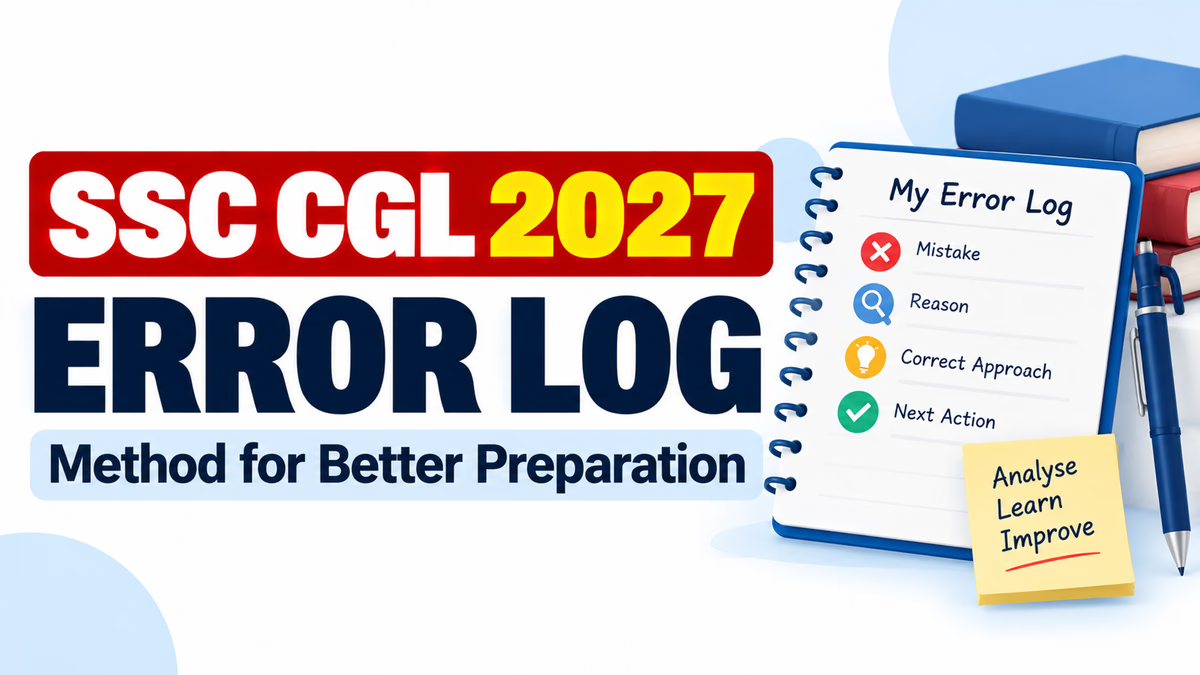

 Defence
 SSC
 Govt Job