Download the App & Start Learning
- Expert Faculty Guidance
- Updated Study Material
- Mock Tests & Practice Quiz
- Live Doubt Solving Sessions
- Exam-Oriented Preparation
- Motivation & Success Strategy
Katara Academy

21/11/2026
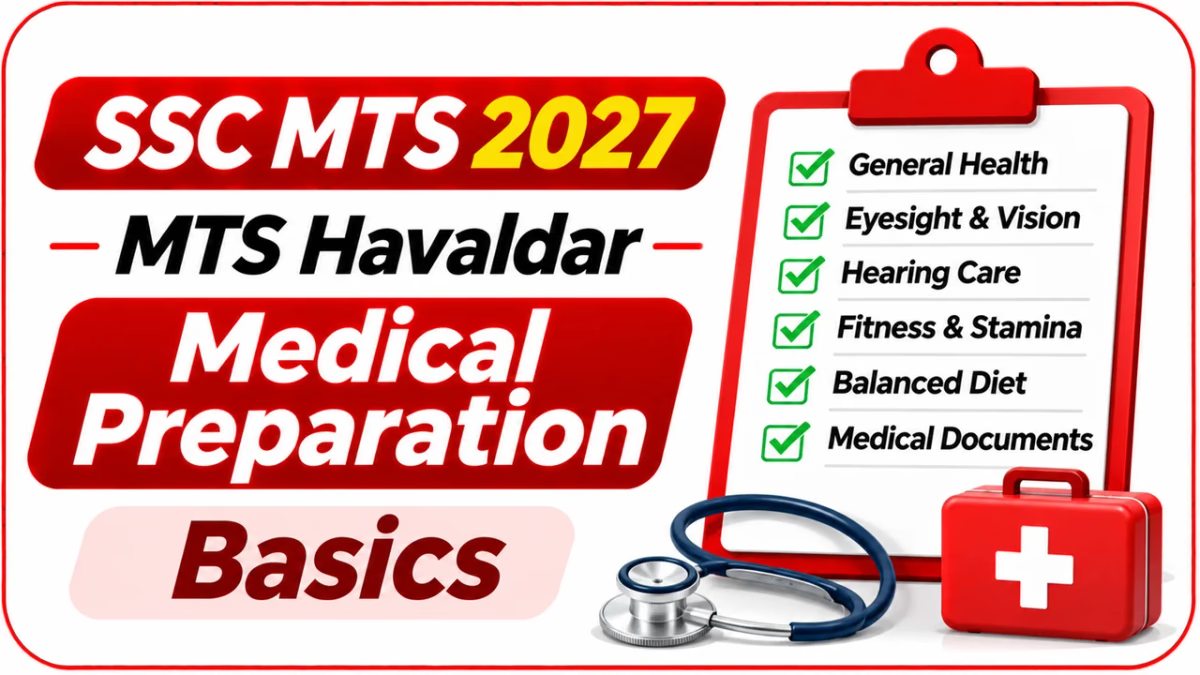
Preparing for the SSC MTS 2027 Havaldar recruitment involves more than clearing the Computer-Based Examination and completing the Physical Efficiency Test (PET) and Physical Standard Test (PST). Candidates should also pay attention to their general health and medical fitness.
Good health, proper nutrition, adequate sleep and regular physical activity can help candidates prepare confidently for the recruitment process. Understanding the difference between physical tests and medical fitness is equally important.
Many beginners become confused about medical requirements, eyesight, general health checks and medical documents. This guide explains the basic medical preparation steps for SSC MTS Havaldar candidates without relying on unverified medical-test requirements.
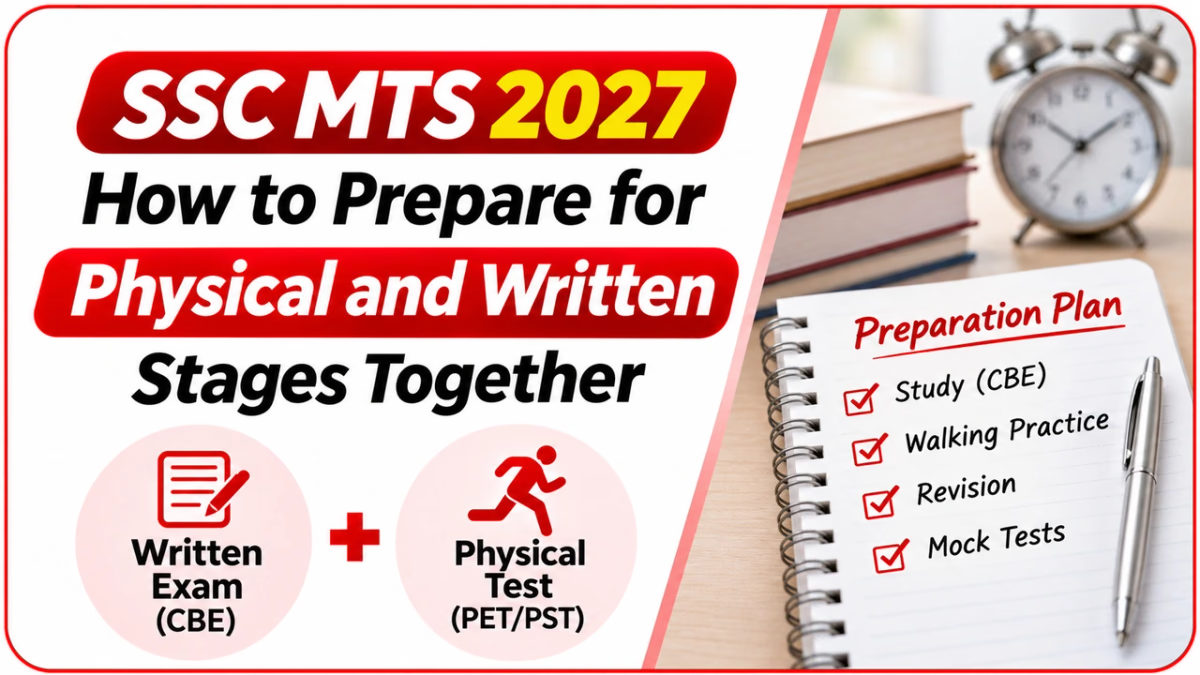
Before beginning medical preparation, candidates should understand the different stages of the Havaldar recruitment process.
The CBE evaluates candidates' knowledge and aptitude through subjects such as Numerical and Mathematical Ability, Reasoning Ability, General Awareness and English Language.
PET evaluates physical efficiency through the prescribed walking test. According to the SSC MTS 2025 notification, the requirements are:
| Candidate | Walking Distance | Time Limit |
|---|---|---|
| Male | 1600 metres | 15 minutes |
| Female | 1000 metres | 20 minutes |
PST checks the prescribed physical measurements, including height, chest for male candidates and weight for female candidates.
Medical fitness is a separate health-related consideration. Candidates should follow the applicable recruitment and appointment instructions issued by the concerned authority. They should not assume that every medical examination or test mentioned in general recruitment discussions is compulsory for every Havaldar candidate.
Important: The SSC MTS 2025 notification specifies PET/PST requirements. It does not provide a universal detailed medical-test checklist covering every possible examination. Candidates must follow the relevant official instructions for their recruitment cycle.
Maintaining good general health can support walking endurance, daily activities and recovery during physical preparation.
Beginners should focus on the following habits:
These habits can support overall fitness, but they do not replace any official medical assessment that may be required.
Vision is important for everyday activities, reading examination instructions and performing job responsibilities safely. Candidates should maintain eye health and seek professional advice if they experience vision-related problems.
Important: Do not assume that a particular eyesight limit, colour-vision test or spectacle restriction applies to every SSC MTS Havaldar candidate. Check the applicable recruitment rules and official medical instructions before drawing conclusions.
Good hearing and general well-being are important for communication and performing workplace responsibilities.
Candidates should follow these basic precautions:
These are general health precautions, not a statement of a specific SSC-prescribed hearing test or hearing threshold.
Physical preparation is an important part of the Havaldar recruitment process. Candidates should build endurance gradually rather than following extreme exercise routines.
Start with comfortable walking and gradually introduce brisk walking. Practise on a safe and measured route to monitor your distance and time.
Simple exercises such as bodyweight squats, calf raises and marching in place can help develop general lower-body strength.
Begin with gentle movements and comfortable walking. Finish with slow walking and gentle mobility exercises.
Include recovery days in your weekly schedule. Avoid repeated maximum-effort sessions that can cause excessive fatigue.
Candidates with existing medical conditions, injuries or exercise-related symptoms should consult a healthcare professional before starting or increasing their training.
Nutrition supports energy levels, physical activity and recovery. Candidates should choose a balanced diet rather than depending on expensive supplements or special stamina products.
A balanced diet and adequate hydration support general health but cannot guarantee medical fitness or replace professional treatment.
Candidates who have existing health concerns should understand their condition and obtain appropriate medical advice before starting demanding physical preparation.
Some areas worth discussing with a healthcare professional include:
Do not stop prescribed medication or change a treatment plan to prepare for a recruitment examination. Share relevant medical information honestly whenever an official medical assessment requires it.
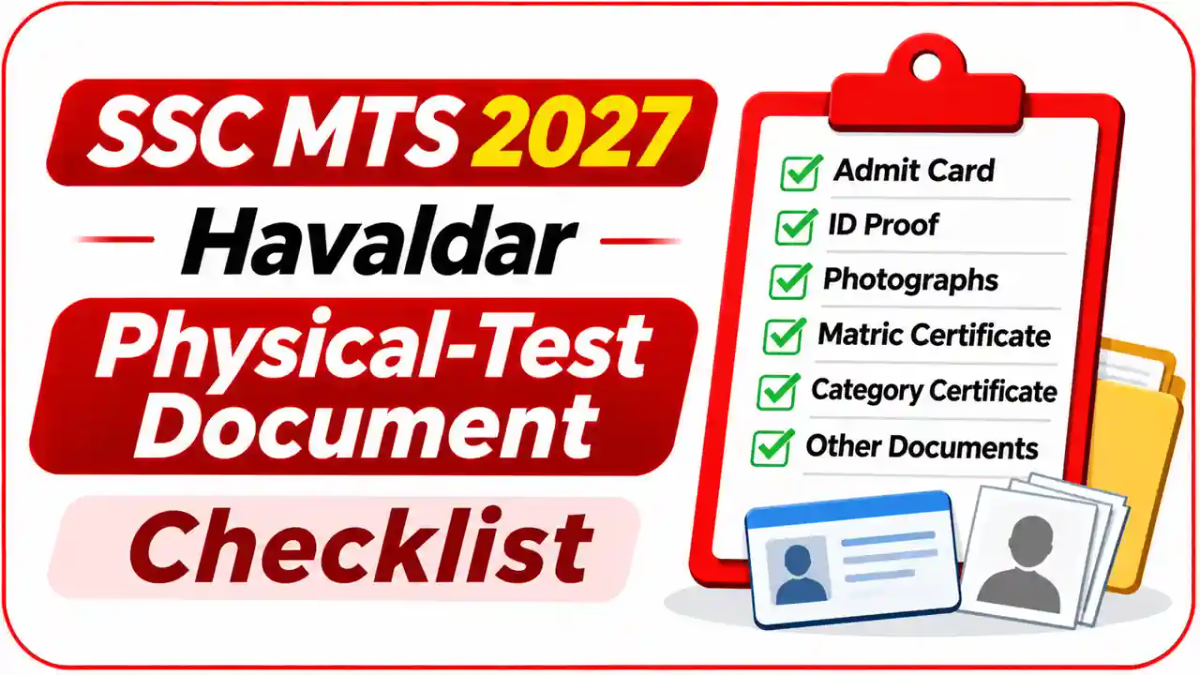
The exact medical documents required depend on the official recruitment and appointment instructions. Candidates should avoid assuming that every medical certificate is compulsory.
For preparation, candidates can organise the following where applicable:
Keep your medical records organised and carry only the documents specifically required by the concerned authority. A general health certificate should not be assumed to replace an official medical examination.
The following is a sample routine for beginners to maintain general fitness. It is not an official SSC medical examination schedule.
| Day | Suggested Activity |
|---|---|
| Monday | Comfortable walking and balanced meals |
| Tuesday | Walking and light strength exercises |
| Wednesday | Easy walking and recovery |
| Thursday | Brisk walking according to fitness level |
| Friday | Light exercise and gentle mobility |
| Saturday | Comfortable walking and progress tracking |
| Sunday | Rest and recovery |
Adjust the routine according to your health, fitness and recovery. Stop exercising if you experience concerning symptoms and seek medical advice.
Yes. Maintaining general health and fitness can help candidates prepare for physical activities and follow applicable recruitment requirements.
The notification specifies PET and PST requirements for Havaldar. It does not provide a universal detailed medical-test checklist. Candidates should follow the relevant departmental recruitment and appointment instructions.
Candidates should not assume a specific eyesight test or visual standard without checking the applicable official medical requirements.
Do not assume that wearing spectacles automatically makes a candidate eligible or ineligible. Check the applicable medical and recruitment rules for the post.
A general health check-up can help candidates understand their health, particularly if they have existing concerns. It is not a substitute for any officially required assessment.
There is no need to depend on supplements for basic physical preparation. Follow a balanced diet and consult a qualified healthcare professional before taking supplements.
They should consult a healthcare professional, follow the prescribed treatment and check the applicable recruitment requirements. They should not stop medication or hide relevant information.
Check the latest SSC notification, applicable Recruitment Rules and official instructions issued by the concerned department or appointing authority.
Medical preparation for SSC MTS 2027 Havaldar should begin with maintaining good general health, following a balanced diet, getting sufficient sleep and developing physical fitness gradually.
Candidates should understand the difference between PET, PST and any separate medical or appointment-stage requirements. Avoid relying on unverified claims about eyesight standards, medical tests or automatic disqualification conditions.
Follow the latest official instructions, seek professional medical advice when necessary and prepare responsibly. A healthy routine and accurate information can help candidates approach the Havaldar recruitment process with greater confidence.