
Download the App & Start Learning
- Expert Faculty Guidance
- Updated Study Material
- Mock Tests & Practice Quiz
- Live Doubt Solving Sessions
- Exam-Oriented Preparation
- Motivation & Success Strategy
Katara Academy

22/11/2026
Preparing for SSC MTS 2027 requires more than completing daily study sessions. Candidates often study several topics every week but struggle to remember which chapters are completed, which require additional practice and which need revision. Without a proper tracking system, it becomes difficult to measure actual preparation progress.
A chapter completion tracker helps SSC MTS aspirants maintain a clear record of their syllabus coverage. Instead of marking a chapter as completed immediately after reading it, candidates can track concept learning, question practice, accuracy, revision and test performance separately.
Using a structured tracker can help candidates plan their preparation, avoid leaving important chapters unfinished and identify topics that need more attention before the examination.
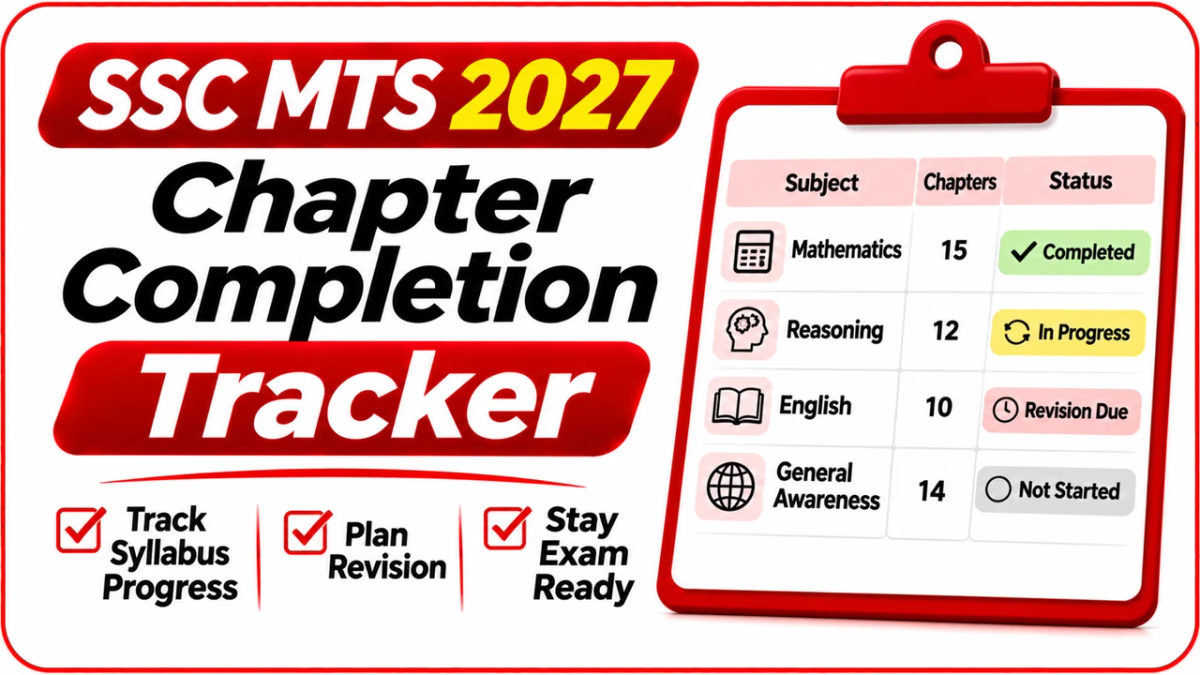
An SSC MTS chapter completion tracker is a study-planning sheet used to record the progress of every subject and chapter in the syllabus. It provides a visual overview of topics that are not started, currently being studied, completed, revised or requiring improvement.
Rather than relying on memory, students can use a tracker to make decisions about their next study session.
A useful chapter tracker should include:
Many students make the mistake of counting the number of chapters they have read instead of evaluating their preparation quality. A chapter may be studied once, but the candidate may still make mistakes while solving questions from that topic.
A tracker helps solve this problem in several ways.
You can quickly identify which chapters are completed, partially studied or still pending. This prevents confusion when planning your weekly study schedule.
Students often return to familiar chapters because they feel confident in them. A tracker makes unfinished topics visible and encourages balanced syllabus coverage.
Completing theory does not automatically mean you can solve exam-level questions. Practice and performance columns help identify chapters where your concepts need reinforcement.
You can record revision dates and identify chapters that have not been reviewed for a long time. This makes revision systematic instead of random.
Tracking chapter status over time gives you a clearer picture of your progress and helps you adjust your preparation strategy before the examination.
You can create your tracker in a notebook, Google Sheets, Excel or a printed syllabus sheet. Choose a format that you can update regularly without wasting time on unnecessary design.
First, create separate sections for the subjects included in your SSC MTS preparation. Based on the current preparation framework, these may include:
Verify the syllabus and examination structure against the latest official SSC notification when the 2027 details are released.
Break each subject into smaller chapters and topics. Avoid writing only broad subject names because they do not show which specific areas have been covered.
For example, instead of writing only Mathematics, create separate entries for Percentage, Ratio and Proportion, Average, Profit and Loss, Time and Work, and other topics from your syllabus.
Use the following status labels to distinguish study progress:
These stages are more meaningful than a single tick mark beside a chapter name.
Use the following columns to record your progress. You can copy this structure into a spreadsheet or notebook.
| Subject | Chapter | Concept | Practice | Accuracy | Revision | Test | Status |
|---|---|---|---|---|---|---|---|
| Maths | Percentage | Done | Done | 80% | 1 | Done | Exam Ready |
| Reasoning | Analogy | Done | Done | 72% | 1 | Pending | Practice |
| English | Error Spotting | Done | Partial | 60% | Pending | Pending | In Progress |
| General Awareness | Indian Polity | Partial | Pending | — | Pending | Pending | In Progress |
Note: The accuracy values above are only sample entries to demonstrate how the tracker can be maintained.
Mathematics requires concept clarity, formula understanding and repeated problem-solving practice. Mark a chapter as complete only after you can solve questions without continuously referring to notes.
Chapters such as Percentage, Ratio, Average and Profit and Loss can be tracked separately so you can identify which mathematical topics require further work.
Reasoning preparation should include understanding the logic behind each question type and improving speed through practice. Track individual topics rather than marking the entire reasoning subject complete.
For each chapter, record the question types you can solve independently and the ones where you still need hints or explanations.
General Awareness covers multiple areas, and simply reading information once is not enough for long-term recall. A tracker can help you organise static topics and revision of current affairs.
Record the date of your last revision and test yourself periodically. For factual chapters, a completed reading session should not be considered final completion if you cannot recall the key information later.
English preparation involves vocabulary, grammar, comprehension and regular practice. Track individual topics to identify repeated errors.
Record mistakes such as grammar-rule confusion, vocabulary gaps, misreading sentences or incorrect elimination of options.
One of the most important rules of a chapter tracker is to avoid marking topics complete too early. Reading a chapter or watching a lecture is only the first stage of preparation.
Before marking a chapter as exam-ready, check whether you can:
If one or more of these areas are weak, mark the chapter as needing practice, revision or testing instead of considering it fully completed.
A colour-coding system can make the tracker easier to read at a glance. Keep the colours consistent throughout your preparation.
Do not change a chapter to green simply because you finished the lecture. Green should represent preparation quality, not reading progress.
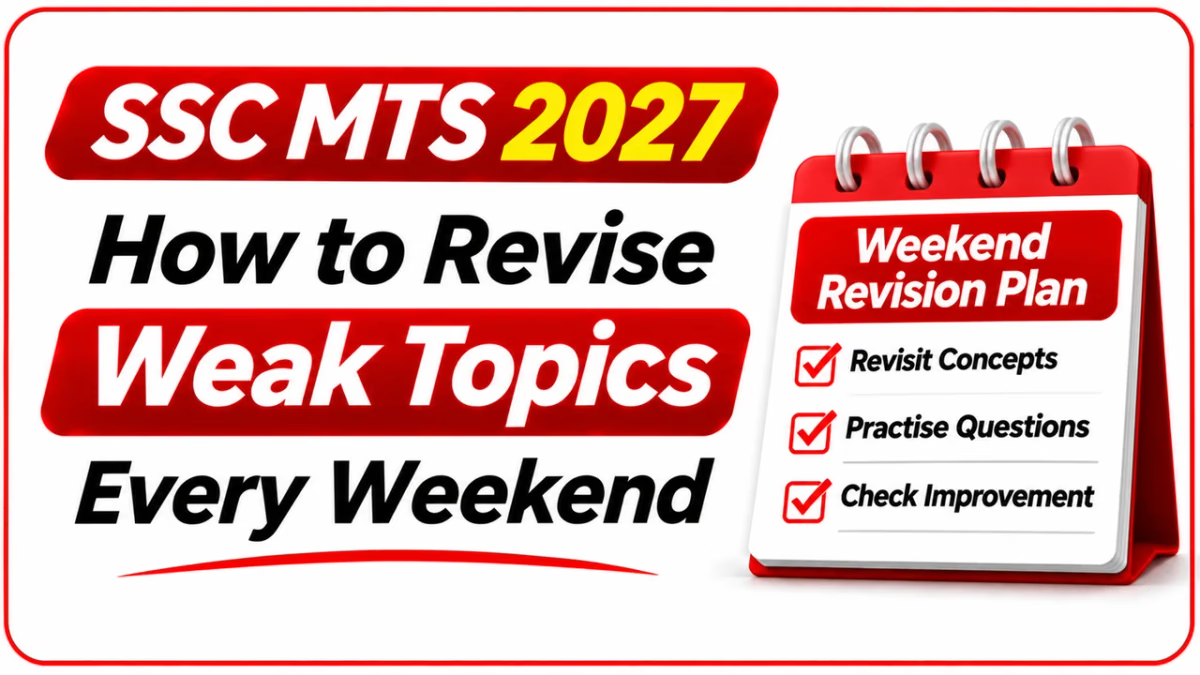
Updating your tracker daily is useful, but reviewing it weekly helps you understand whether your preparation is moving in the right direction.
At the end of every week, ask yourself:
Based on your review, plan the next week around a combination of new chapters, unfinished practice, revision and short tests.
You can use a basic completion percentage to understand how much of your planned syllabus has been covered.
Chapter Completion Percentage = (Number of Chapters Completed ÷ Total Planned Chapters) × 100
For example, if you have planned 40 chapters and completed 24 chapters:
(24 ÷ 40) × 100 = 60%
Your syllabus coverage is 60% according to this simple chapter count. However, this figure does not measure your accuracy, revision quality or exam readiness. Use the completion percentage together with the individual chapter status.
Use your tracker as a guide while planning each day, not as another task that takes a long time to maintain.
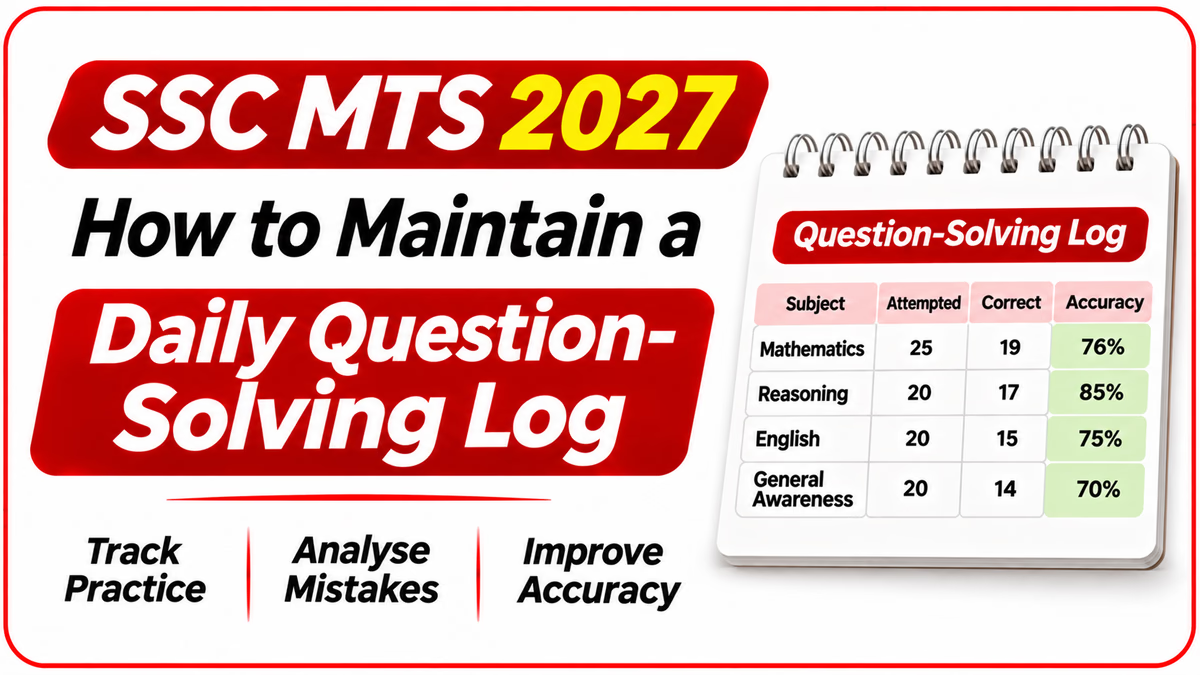
This method helps you connect syllabus planning, daily question practice and revision into one preparation system.
It is a study record used to track syllabus chapters through concept learning, question practice, revision and testing. It helps candidates identify completed and pending topics.
No. A lecture may complete your initial learning, but you should also practise questions, review mistakes and revise the chapter before considering it exam-ready.
Yes. Excel or Google Sheets can make it easier to filter chapters by subject, status, revision due date and test performance. A notebook is also suitable if you prefer writing by hand.
Update it after each study session or at the end of the day. Review the entire tracker once every week to identify pending chapters and plan your next study schedule.
Move the chapter to a practice-needed or revision-needed status. Review the concepts behind your mistakes, solve similar questions and take another short test before marking it exam-ready.
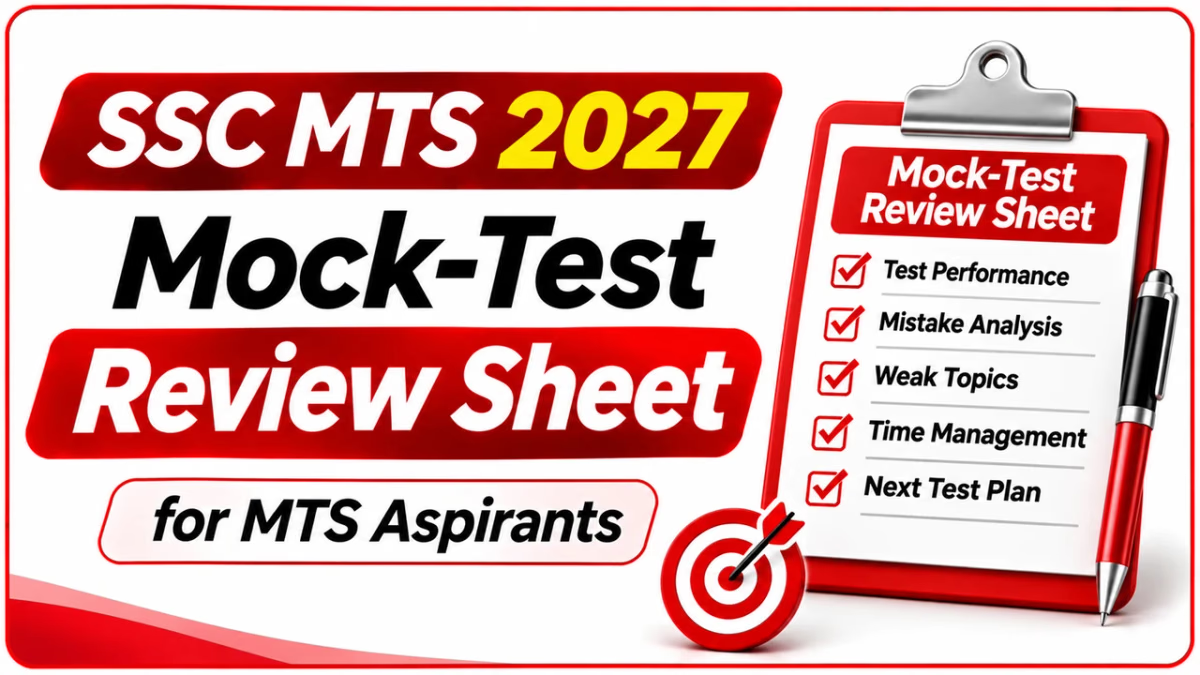
Syllabus coverage is important, but candidates also need question-solving practice, revision, timed tests and mistake analysis. The tracker should measure these activities along with chapter completion.
An SSC MTS 2027 chapter completion tracker can make your preparation more organised and measurable. It helps you identify unfinished topics, separate learning from practice, maintain revision records and evaluate your progress regularly.
Instead of studying without a clear direction, use a tracker to decide what needs to be learned, practised, revised or tested next. Consistent updates and honest self-evaluation can help you build stronger preparation over time.
Prepare systematically, complete every chapter with practice and keep reviewing your progress.