
Download the App & Start Learning
- Expert Faculty Guidance
- Updated Study Material
- Mock Tests & Practice Quiz
- Live Doubt Solving Sessions
- Exam-Oriented Preparation
- Motivation & Success Strategy
Katara Academy

22/11/2026
Attempting mock tests is an important part of SSC MTS preparation, but simply completing a test and checking your score is not enough. If you continue making the same mistakes in every mock, your practice may not be helping you improve.
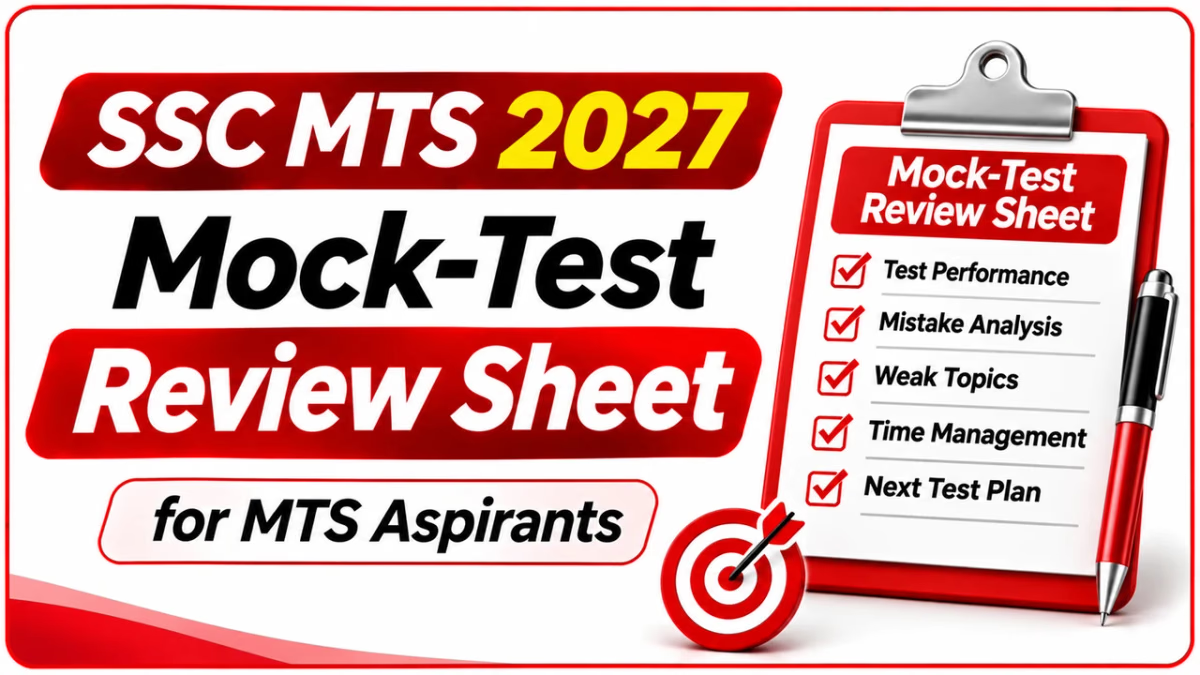
A mock-test review sheet helps you understand where you lose marks, which topics need revision, how effectively you manage time and what you should work on before your next test. Instead of taking mock tests randomly, you can use each test to improve your preparation.
Mock-test analysis helps you evaluate your preparation beyond your final score. It shows which areas are strong and which require additional attention.
Use every mock test as feedback for your next study session—not just as a score-checking exercise.
Maintain this simple review sheet in a notebook, Excel or Google Sheets. Update it after every mock test.
| Topic | Mistake | Reason | Next Action |
|---|---|---|---|
| Percentage | Wrong calculation | Concept confusion | Revise + practise |
| Number Series | Pattern missed | Incorrect approach | Practise similar questions |
| English Grammar | Wrong option | Rule forgotten | Revise grammar rule |
These are sample entries. Record your actual mistakes and observations.
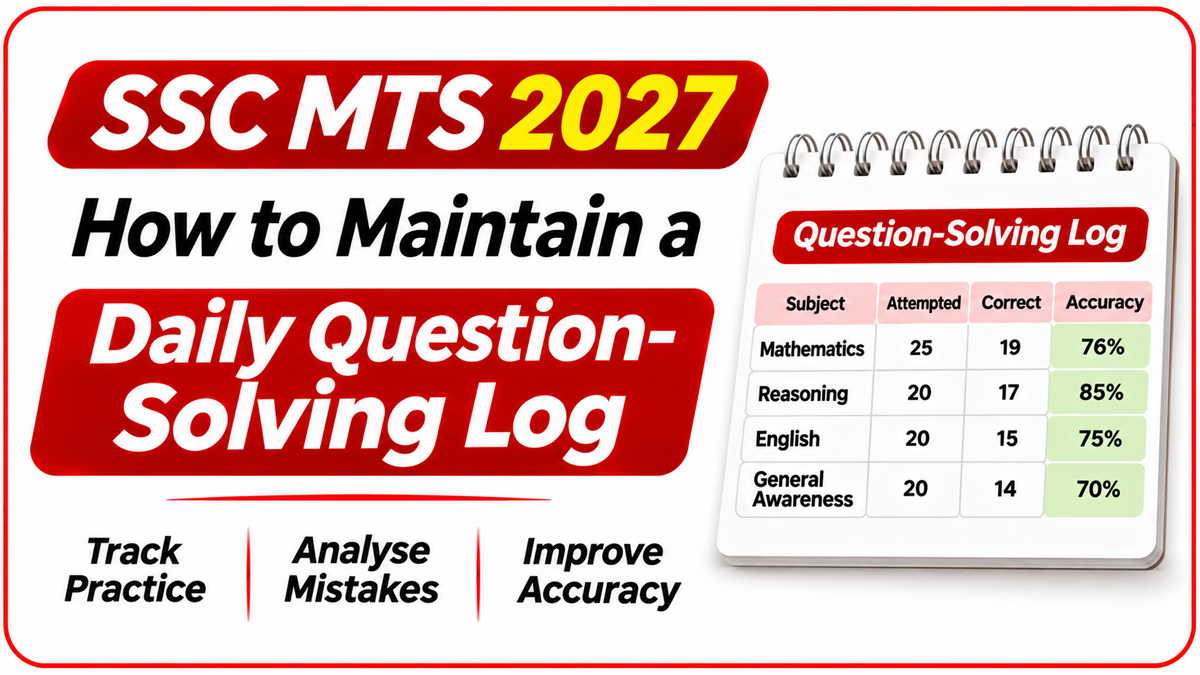
Record your score, attempts, correct answers and incorrect answers. Compare your result with previous tests, but remember that mock-test difficulty can vary.
Accuracy (%) = (Correct Answers ÷ Attempted Questions) × 100
For example, if you attempted 80 questions and answered 64 correctly, your accuracy is 80%. Use accuracy alongside your score and applicable negative-marking rules to evaluate your attempt strategy.
Do not just read the correct answer. Understand why you selected the wrong option and try solving the question again without looking at the explanation.
Also review correct answers that were guesses or took unusually long. They may reveal gaps in understanding or an inefficient approach.
Classifying mistakes helps you choose the correct remedy instead of practising blindly.
Identify questions that consumed too much time, questions you should have skipped temporarily and easy questions you missed because you rushed.
Practise deciding when to move on from a difficult question. Your objective is to use the available test time more effectively while maintaining accuracy.
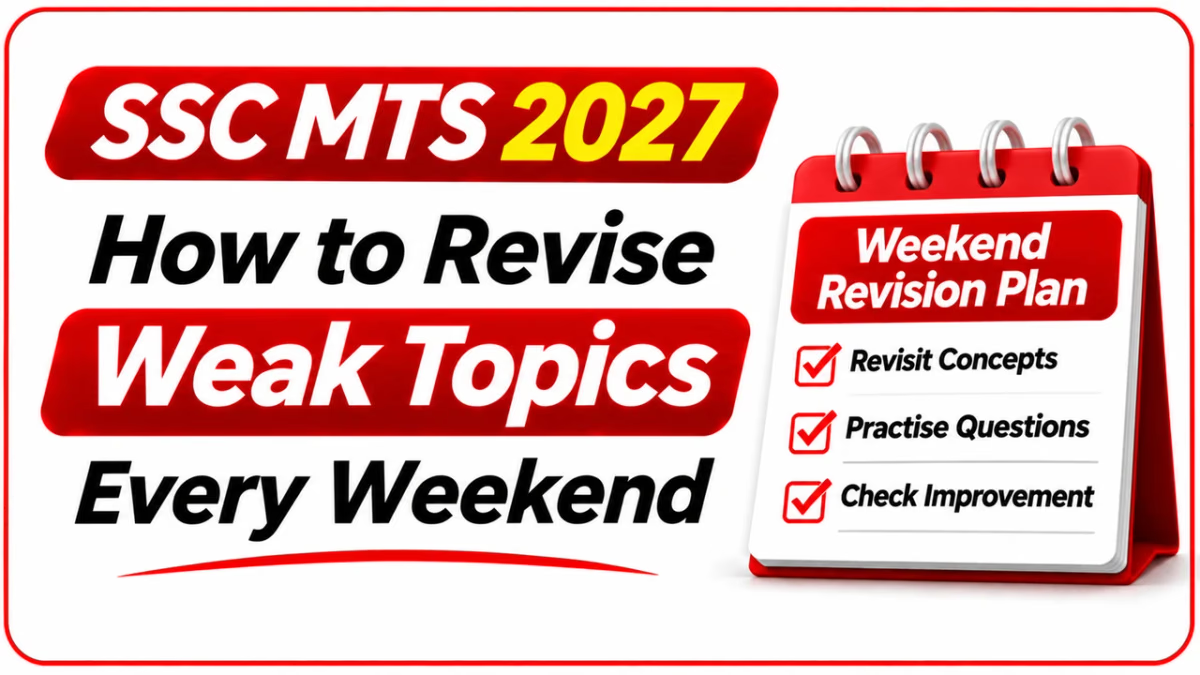
Convert every major weakness into a specific task. For example, if you repeatedly make mistakes in Profit and Loss, revise the relevant concept, practise similar questions and take a short topic test before your next mock.
Focus on the exact topic where you lost marks. Avoid revising an entire subject if only a few chapters need improvement.
After reviewing your test, choose a few priority topics for the coming week. Avoid creating an unrealistic list of every mistake you made.
Correcting mistakes before taking another mock can make your practice more purposeful and help you avoid repeating the same problems.
Review your score, accuracy, incorrect answers, guessed answers, skipped questions and time management. Identify the reasons behind mistakes and prepare a revision plan.
Yes. Review correct answers that involved guessing or took too much time to ensure you understand the method.
Spend enough time to understand your mistakes and prepare corrective actions. The time depends on test length and your performance. Do not rush the review just to take another test.
Revise the concepts, practise similar questions, record recurring mistakes and take a short test to check your improvement.
Not necessarily. Balance mock tests with revision, chapter-wise practice and analysis. Taking tests without reviewing your performance may limit their usefulness.
A mock test is useful when you learn from your performance. Use a review sheet to track mistakes, analyse accuracy, identify weak topics and improve your time-management strategy.
Instead of focusing only on the number of mock tests completed, focus on what you corrected after each test. Consistent analysis and targeted practice can help you build stronger SSC MTS 2027 preparation.
Attempt. Analyse. Improve. Repeat.
