Download the App & Start Learning
- Expert Faculty Guidance
- Updated Study Material
- Mock Tests & Practice Quiz
- Live Doubt Solving Sessions
- Exam-Oriented Preparation
- Motivation & Success Strategy
Katara Academy

Loading blogs…


Attempting mock tests is an important part of SSC MTS preparation, but simply completing a test and checking your score is not enough. If you continue making the same mistakes in every mock, your practice may not be helping you improve.
A mock-test review sheet helps you understand where you lose marks, which topics need revision, how effectively you manage time and what you should work on before your next test. Instead of taking mock tests randomly, you can use each test to improve your preparation.
Mock-test analysis helps you evaluate your preparation beyond your final score. It shows which areas are strong and which require additional attention.
Use every mock test as feedback for your next study session—not just as a score-checking exercise.
Maintain this simple review sheet in a notebook, Excel or Google Sheets. Update it after every mock test.
| Topic | Mistake | Reason | Next Action |
|---|---|---|---|
| Percentage | Wrong calculation | Concept confusion | Revise + practise |
| Number Series | Pattern missed | Incorrect approach | Practise similar questions |
| English Grammar | Wrong option | Rule forgotten | Revise grammar rule |
These are sample entries. Record your actual mistakes and observations.
Record your score, attempts, correct answers and incorrect answers. Compare your result with previous tests, but remember that mock-test difficulty can vary.
Accuracy (%) = (Correct Answers ÷ Attempted Questions) × 100
For example, if you attempted 80 questions and answered 64 correctly, your accuracy is 80%. Use accuracy alongside your score and applicable negative-marking rules to evaluate your attempt strategy.
Do not just read the correct answer. Understand why you selected the wrong option and try solving the question again without looking at the explanation.
Also review correct answers that were guesses or took unusually long. They may reveal gaps in understanding or an inefficient approach.
Classifying mistakes helps you choose the correct remedy instead of practising blindly.
Identify questions that consumed too much time, questions you should have skipped temporarily and easy questions you missed because you rushed.
Practise deciding when to move on from a difficult question. Your objective is to use the available test time more effectively while maintaining accuracy.
Convert every major weakness into a specific task. For example, if you repeatedly make mistakes in Profit and Loss, revise the relevant concept, practise similar questions and take a short topic test before your next mock.
Focus on the exact topic where you lost marks. Avoid revising an entire subject if only a few chapters need improvement.
After reviewing your test, choose a few priority topics for the coming week. Avoid creating an unrealistic list of every mistake you made.
Correcting mistakes before taking another mock can make your practice more purposeful and help you avoid repeating the same problems.
Review your score, accuracy, incorrect answers, guessed answers, skipped questions and time management. Identify the reasons behind mistakes and prepare a revision plan.
Yes. Review correct answers that involved guessing or took too much time to ensure you understand the method.
Spend enough time to understand your mistakes and prepare corrective actions. The time depends on test length and your performance. Do not rush the review just to take another test.
Revise the concepts, practise similar questions, record recurring mistakes and take a short test to check your improvement.
Not necessarily. Balance mock tests with revision, chapter-wise practice and analysis. Taking tests without reviewing your performance may limit their usefulness.
A mock test is useful when you learn from your performance. Use a review sheet to track mistakes, analyse accuracy, identify weak topics and improve your time-management strategy.
Instead of focusing only on the number of mock tests completed, focus on what you corrected after each test. Consistent analysis and targeted practice can help you build stronger SSC MTS 2027 preparation.
Attempt. Analyse. Improve. Repeat.

Preparing for SSC MTS 2027 requires regular study, question practice and revision. However, many students spend most of their time learning new topics and leave their weak chapters untouched. As a result, the same mistakes continue to appear in practice tests, and previously studied concepts become difficult to remember.
Weekend revision is an effective way to solve this problem. Instead of studying everything again, candidates can use Saturday and Sunday to identify difficult topics, revisit concepts, practise questions and evaluate their improvement.
A structured weekend revision routine helps you work on your weaknesses without disturbing your regular weekday study schedule. The goal is not to revise the entire syllabus every weekend but to improve a few specific topics consistently.
During the week, students usually focus on completing chapters, attending classes, studying concepts and solving daily practice questions. Some topics may remain difficult even after multiple study sessions.
Weekend revision gives you dedicated time to revisit those topics and understand why you are struggling.
Do not wait until Saturday morning to decide what to revise. During the week, maintain a list of topics where you face difficulty. This makes your weekend revision focused and saves time.
Identify weak topics using these indicators:
Choose your revision topics based on actual mistakes and performance rather than simply selecting chapters you dislike.
Trying to revise every weak topic in one weekend can become overwhelming. Select a manageable number of topics and focus on improving them properly.
Use a simple priority system:
For example, if you are struggling with Percentage in Maths, Coding-Decoding in Reasoning and Subject-Verb Agreement in English, these can be your weekend priorities. You do not need to revise every chapter in all subjects on the same day.
Keep your weekend target realistic. Revising three difficult topics properly is often more useful than quickly touching ten topics without checking your understanding.
Use the same process whenever you revise a weak topic. This creates a repeatable system and prevents passive reading from becoming your only revision activity.
Before opening your notes, try to remember the main concepts, formulas, rules or facts from the topic. Write down what you can recall without looking at your study material.
This helps you identify the exact knowledge gap. If you cannot recall the basic rule, you may need concept revision. If you remember the rule but still answer questions incorrectly, you may need more application practice.
Review your notes, class material or textbook for the specific concept you are struggling with. Avoid restarting the entire chapter unless your fundamentals are genuinely weak.
Focus on:
After revising the concept, solve questions related to the exact weak area. Start with straightforward questions and gradually move towards moderate or exam-level questions.
Do not immediately check the solution when you get stuck. Try to identify the approach, recall the relevant rule and complete the question independently before reviewing the explanation.
Finish the revision session with a short self-test. Solve a small set of questions without using notes, hints or explanations.
Record your score, accuracy, time taken and mistakes. This helps you determine whether the topic has improved or requires another revision session.
Use Saturday primarily for concept correction and targeted practice. Adjust the session timings according to your availability.
| Session | Activity | Purpose |
|---|---|---|
| Session 1 | Review weak topic in Maths | Understand concepts and formulas |
| Session 2 | Practise Maths questions | Improve application and accuracy |
| Session 3 | Revise a weak Reasoning topic | Understand question patterns |
| Session 4 | Reasoning question practice | Reduce repeated mistakes |
| Short final review | Update your mistake notes | Record what still needs improvement |
Take short breaks between sessions. If one topic requires more time because the concepts are unclear, reduce the number of topics rather than rushing through the revision.
Sunday should focus on recalling what you revised on Saturday, improving weak areas in other subjects and checking your progress.
| Session | Activity | Purpose |
|---|---|---|
| Session 1 | Revise weak English topic | Correct grammar or vocabulary gaps |
| Session 2 | English practice set | Check understanding through questions |
| Session 3 | Revise weak General Awareness area | Recall important information |
| Session 4 | Short mixed-topic test | Evaluate weekend revision |
| Final review | Plan next week's priorities | Maintain consistent progress |
Do not make Sunday another full day of exhausting study. Keep enough time for breaks, preparation for the next week and rest. A revision plan should be sustainable over several months.
For Mathematics, weak topics are often related to formula recall, calculation mistakes, concept confusion or difficulty selecting the correct method.
During weekend revision:
For example, if you make mistakes in Profit and Loss, do not practise random Maths questions. Revisit the concepts of cost price, selling price, profit percentage and loss percentage, then solve questions specifically related to your weak area.
In Reasoning, students may struggle to understand the logic behind a question or apply the correct approach consistently.
Use weekend revision to:
If you are weak in Number Series, focus on identifying patterns such as differences, alternate sequences or other relevant relationships instead of randomly solving mixed reasoning questions.
English revision should focus on understanding why an option is correct or incorrect. Memorising answers without understanding the grammar rule is unlikely to help you solve new questions consistently.
During weekend revision:
If you repeatedly make mistakes in Subject-Verb Agreement, revisit the rules and practise sentences with singular and plural subjects, collective expressions and other structures relevant to the questions you find difficult.
General Awareness requires repeated recall and revision. Students may recognise information while reading but fail to remember it during a test.
Use a short revision cycle:
For example, if you struggle with Indian Polity, focus on a smaller area such as constitutional bodies, important constitutional provisions or functions of institutions rather than trying to revise the entire subject at once.
Keep a simple record of what you revised and whether you improved. This helps you avoid repeating the same revision without measurable progress.
| Topic | Problem | Revision Action | Test Result | Next Step |
|---|---|---|---|---|
| Percentage | Formula confusion | Revised formulas + 20 questions | 16/20 | Re-test next week |
| Number Series | Pattern identification | Reviewed examples + practice | 14/20 | Practise alternate patterns |
| Subject-Verb Agreement | Grammar errors | Rules + sentence practice | 17/20 | Quick revision in 7 days |
These are illustrative entries. Use your own results in the tracker.
Keep the record short. You should spend your time improving topics rather than creating a complicated revision spreadsheet.
After revising a topic, do not judge improvement only by how familiar the chapter feels. Use your performance to make the decision.
Check the following:
If your performance has improved, move the topic to periodic revision. If mistakes continue, keep it on your weak-topic list and plan another focused session. Do not keep repeating the same questions; practise similar questions to confirm that you understand the concept.
Use this checklist every weekend to ensure that your weak-topic revision is complete.
Choose a manageable number based on difficulty and available time. Two to four focused topics may be a reasonable starting point, but fewer topics may be necessary if your concepts are very weak.
You can divide revision across both days. Use Saturday for concept correction and targeted practice, and Sunday for recall, testing, revision of another subject and next-week planning.
Identify the exact problem, revisit the relevant concept, review solved examples and practise similar questions. If the basics are unclear, return to foundational learning instead of increasing question difficulty.
A full mock test is not necessary every weekend solely for weak-topic revision. Short topic-wise tests or a mixed practice set can help you check improvement without taking too much time.
Maintain a notebook or spreadsheet with the topic name, type of mistake, revision date, practice score, accuracy and next action. Update it after your revision session.
Not necessarily. You can continue learning new chapters if your schedule allows. However, reserve dedicated time to revise weak topics so they do not remain unfinished throughout your preparation.
Weekend revision is not about studying the entire syllabus again. It is about finding the topics that are holding back your preparation and working on them with a clear strategy.
Identify your weak areas, revisit the concepts, solve targeted questions, check your performance and plan the next revision. Following this routine every weekend can help you gradually reduce repeated mistakes and build confidence across subjects.
For SSC MTS 2027, make weak-topic revision a regular part of your preparation instead of waiting until the final weeks before the examination.
Study your weak areas consistently, track your improvement and make every weekend count.

Preparing for SSC MTS 2027 requires more than completing daily study sessions. Candidates often study several topics every week but struggle to remember which chapters are completed, which require additional practice and which need revision. Without a proper tracking system, it becomes difficult to measure actual preparation progress.
A chapter completion tracker helps SSC MTS aspirants maintain a clear record of their syllabus coverage. Instead of marking a chapter as completed immediately after reading it, candidates can track concept learning, question practice, accuracy, revision and test performance separately.
Using a structured tracker can help candidates plan their preparation, avoid leaving important chapters unfinished and identify topics that need more attention before the examination.
An SSC MTS chapter completion tracker is a study-planning sheet used to record the progress of every subject and chapter in the syllabus. It provides a visual overview of topics that are not started, currently being studied, completed, revised or requiring improvement.
Rather than relying on memory, students can use a tracker to make decisions about their next study session.
A useful chapter tracker should include:
Many students make the mistake of counting the number of chapters they have read instead of evaluating their preparation quality. A chapter may be studied once, but the candidate may still make mistakes while solving questions from that topic.
A tracker helps solve this problem in several ways.
You can quickly identify which chapters are completed, partially studied or still pending. This prevents confusion when planning your weekly study schedule.
Students often return to familiar chapters because they feel confident in them. A tracker makes unfinished topics visible and encourages balanced syllabus coverage.
Completing theory does not automatically mean you can solve exam-level questions. Practice and performance columns help identify chapters where your concepts need reinforcement.
You can record revision dates and identify chapters that have not been reviewed for a long time. This makes revision systematic instead of random.
Tracking chapter status over time gives you a clearer picture of your progress and helps you adjust your preparation strategy before the examination.
You can create your tracker in a notebook, Google Sheets, Excel or a printed syllabus sheet. Choose a format that you can update regularly without wasting time on unnecessary design.
First, create separate sections for the subjects included in your SSC MTS preparation. Based on the current preparation framework, these may include:
Verify the syllabus and examination structure against the latest official SSC notification when the 2027 details are released.
Break each subject into smaller chapters and topics. Avoid writing only broad subject names because they do not show which specific areas have been covered.
For example, instead of writing only Mathematics, create separate entries for Percentage, Ratio and Proportion, Average, Profit and Loss, Time and Work, and other topics from your syllabus.
Use the following status labels to distinguish study progress:
These stages are more meaningful than a single tick mark beside a chapter name.
Use the following columns to record your progress. You can copy this structure into a spreadsheet or notebook.
| Subject | Chapter | Concept | Practice | Accuracy | Revision | Test | Status |
|---|---|---|---|---|---|---|---|
| Maths | Percentage | Done | Done | 80% | 1 | Done | Exam Ready |
| Reasoning | Analogy | Done | Done | 72% | 1 | Pending | Practice |
| English | Error Spotting | Done | Partial | 60% | Pending | Pending | In Progress |
| General Awareness | Indian Polity | Partial | Pending | — | Pending | Pending | In Progress |
Note: The accuracy values above are only sample entries to demonstrate how the tracker can be maintained.
Mathematics requires concept clarity, formula understanding and repeated problem-solving practice. Mark a chapter as complete only after you can solve questions without continuously referring to notes.
Chapters such as Percentage, Ratio, Average and Profit and Loss can be tracked separately so you can identify which mathematical topics require further work.
Reasoning preparation should include understanding the logic behind each question type and improving speed through practice. Track individual topics rather than marking the entire reasoning subject complete.
For each chapter, record the question types you can solve independently and the ones where you still need hints or explanations.
General Awareness covers multiple areas, and simply reading information once is not enough for long-term recall. A tracker can help you organise static topics and revision of current affairs.
Record the date of your last revision and test yourself periodically. For factual chapters, a completed reading session should not be considered final completion if you cannot recall the key information later.
English preparation involves vocabulary, grammar, comprehension and regular practice. Track individual topics to identify repeated errors.
Record mistakes such as grammar-rule confusion, vocabulary gaps, misreading sentences or incorrect elimination of options.
One of the most important rules of a chapter tracker is to avoid marking topics complete too early. Reading a chapter or watching a lecture is only the first stage of preparation.
Before marking a chapter as exam-ready, check whether you can:
If one or more of these areas are weak, mark the chapter as needing practice, revision or testing instead of considering it fully completed.
A colour-coding system can make the tracker easier to read at a glance. Keep the colours consistent throughout your preparation.
Do not change a chapter to green simply because you finished the lecture. Green should represent preparation quality, not reading progress.
Updating your tracker daily is useful, but reviewing it weekly helps you understand whether your preparation is moving in the right direction.
At the end of every week, ask yourself:
Based on your review, plan the next week around a combination of new chapters, unfinished practice, revision and short tests.
You can use a basic completion percentage to understand how much of your planned syllabus has been covered.
Chapter Completion Percentage = (Number of Chapters Completed ÷ Total Planned Chapters) × 100
For example, if you have planned 40 chapters and completed 24 chapters:
(24 ÷ 40) × 100 = 60%
Your syllabus coverage is 60% according to this simple chapter count. However, this figure does not measure your accuracy, revision quality or exam readiness. Use the completion percentage together with the individual chapter status.
Use your tracker as a guide while planning each day, not as another task that takes a long time to maintain.
This method helps you connect syllabus planning, daily question practice and revision into one preparation system.
It is a study record used to track syllabus chapters through concept learning, question practice, revision and testing. It helps candidates identify completed and pending topics.
No. A lecture may complete your initial learning, but you should also practise questions, review mistakes and revise the chapter before considering it exam-ready.
Yes. Excel or Google Sheets can make it easier to filter chapters by subject, status, revision due date and test performance. A notebook is also suitable if you prefer writing by hand.
Update it after each study session or at the end of the day. Review the entire tracker once every week to identify pending chapters and plan your next study schedule.
Move the chapter to a practice-needed or revision-needed status. Review the concepts behind your mistakes, solve similar questions and take another short test before marking it exam-ready.
Syllabus coverage is important, but candidates also need question-solving practice, revision, timed tests and mistake analysis. The tracker should measure these activities along with chapter completion.
An SSC MTS 2027 chapter completion tracker can make your preparation more organised and measurable. It helps you identify unfinished topics, separate learning from practice, maintain revision records and evaluate your progress regularly.
Instead of studying without a clear direction, use a tracker to decide what needs to be learned, practised, revised or tested next. Consistent updates and honest self-evaluation can help you build stronger preparation over time.
Prepare systematically, complete every chapter with practice and keep reviewing your progress.

Solving questions every day is an important part of SSC MTS 2027 preparation, but simply completing practice sets is not enough. Many candidates solve hundreds of questions without checking why they get certain answers wrong, which topics consume too much time or whether their accuracy is actually improving.
A daily question-solving log helps you record your practice, identify repeated mistakes, monitor weak topics and make better decisions about what to study next. Instead of practising randomly, you can use your daily performance to build a more organised SSC MTS preparation system.
Whether you are a beginner or already preparing for the examination, maintaining a simple question-solving log can help you make every practice session more productive.
A daily question-solving log is a record of the questions you practise during your preparation. It tracks more than just the number of questions completed. It also records your accuracy, mistakes, time taken, topics that need improvement and lessons learned from practice.
For SSC MTS preparation, you can maintain one log covering all four subjects:
You can maintain this log in a notebook, spreadsheet, diary or digital document. The format does not matter as much as regularly updating it and reviewing the information.
Daily question practice becomes more useful when you understand what your performance is telling you. A question log can help you:
The purpose of the log is not to make your preparation more complicated. It is to help you understand your progress with clear evidence.
Your daily question log should contain a few essential fields. Avoid adding so many columns that updating the log becomes a task of its own.
| Log Field | What to Record |
|---|---|
| Date | Day on which you completed the practice |
| Subject | Mathematics, Reasoning, English or General Awareness |
| Topic | Specific chapter or question type |
| Questions Attempted | Total number of questions attempted |
| Correct Answers | Number of questions answered correctly |
| Incorrect Answers | Number of wrong answers |
| Skipped Questions | Questions left unanswered during the practice |
| Time Taken | Approximate time spent on the practice set |
| Mistake Type | Concept, calculation, reading, guessing or time-related error |
| Next Action | What you need to revise or practise again |
For beginners, recording these details is enough to build a meaningful preparation record. You can add more information later if it helps your analysis.
Use the following sample to understand how your daily practice log can look. These figures are only examples, not recommended mandatory daily targets.
| Date | Subject & Topic | Attempted | Correct | Wrong | Time |
|---|---|---|---|---|---|
| Day 1 | Maths – Percentage | 25 | 19 | 6 | 35 min |
| Day 1 | Reasoning – Number Series | 20 | 17 | 3 | 20 min |
| Day 1 | English – Error Spotting | 20 | 15 | 5 | 25 min |
| Day 1 | GA – Indian Polity | 20 | 14 | 6 | 20 min |
After recording the numbers, add a short analysis. For example:
This analysis is the most important part of your log. It tells you what your next study session should focus on.
Do not write only “wrong answer” beside a question. Identify the reason behind the mistake. Different errors require different solutions.
You did not understand the concept or applied the wrong method. Revisit the topic, understand the explanation and solve a few similar questions.
You knew how to solve the question but made an arithmetic error. Practise calculations carefully and check the step where the mistake occurred.
You missed a keyword, misunderstood what the question was asking or read a condition incorrectly. Practise reading the complete question before selecting an answer.
You forgot a formula, grammar rule, fact or vocabulary word. Add it to your revision notes and revisit it regularly.
You spent too much time on one question or could not finish the set. Record which question type slowed you down and practise similar questions with a reasonable time limit.
You selected an answer without sufficient reasoning. Note why you guessed and whether you could have eliminated options or skipped the question instead.
Once you identify the mistake category, your correction strategy becomes much clearer.
Record the topic, calculation errors, formulas you forgot and questions that took longer than expected.
Example log note: “Practised ratio questions. I understand the method but make mistakes when simplifying values. Revise simplification and solve 10 similar questions tomorrow.”
Record question patterns that you found confusing and the logic you initially missed.
Example log note: “Number series – solved most questions correctly, but missed alternating-pattern series. Review pattern identification and practise another set.”
Record grammar rules, vocabulary and the type of question where your understanding was weak.
Example log note: “Error spotting – repeated mistakes in subject-verb agreement. Revise singular/plural subject rules and practise sentences.”
Record facts, topics and questions you could not recall. Categorise them into History, Geography, Polity, Science, Static GK or Current Affairs.
Example log note: “Indian Polity – confused constitutional bodies with statutory bodies. Revise differences and make a comparison table.”
Tracking the number of questions attempted alone does not show the quality of your practice. Accuracy helps you understand how reliable your answers are.
Accuracy Formula:
Accuracy (%) = (Correct Answers ÷ Total Questions Attempted) × 100
For example, if you attempt 50 questions and answer 40 correctly:
Accuracy = (40 ÷ 50) × 100 = 80%
You can record your accuracy after each practice session and compare results over time. Do not judge improvement from a single day. Look at several practice sessions together because topic difficulty can vary.
Accuracy is a personal progress indicator for practice. It is not an official SSC score or selection predictor.
Daily recording is useful, but weekly review turns your log into a preparation strategy. Set aside time once a week to review your entries and decide what needs attention.
Look for topics where incorrect answers occur repeatedly. Do not select weak topics based on one difficult practice set alone.
Compare your recent practice sessions. Is your accuracy improving, staying the same or decreasing? Consider the difficulty of the questions when comparing results.
Check your mistake categories. If calculation mistakes appear repeatedly, dedicate time to calculation practice. If reading mistakes are common, work on question-reading habits.
Use your log to select topics for revision and practice. Give more time to weak areas while maintaining practice in subjects where you are already performing well.
Reattempt questions you previously answered incorrectly without looking at the solution. Check whether you now understand and can solve them independently.
Copy this structure into a notebook or spreadsheet and fill it in after your daily practice.
DAILY SSC MTS QUESTION LOG
Keep your notes short and clear. You do not need to write a full explanation for every question. Record detailed explanations only for mistakes that are important, repeated or difficult to understand.
Your log should be a working preparation tool. The aim is to identify a problem, correct it and check whether the same mistake happens again.
It is not compulsory, but it can be a useful preparation tool. A log helps you track practice, identify weak topics, review mistakes and plan revision more effectively.
You do not need to copy every question into your log. Record practice totals and details, and write down selected incorrect or difficult questions when their solutions or concepts need revision.
Try to spend around 5–10 minutes after a practice session recording your performance and noting the most important mistakes. Keep it simple enough to maintain consistently.
You can use one notebook or spreadsheet with separate sections for Mathematics, Reasoning, English and General Awareness. This makes it easier to compare progress across subjects.
Update it daily and review it weekly. Daily entries help you remember mistakes, while weekly reviews help identify recurring problems and plan your next revision targets.
Identify the reason for the mistake, understand the correct solution, revise the related concept and reattempt the question later without checking the answer.
Yes. A digital spreadsheet can help you organise topics, record daily practice, calculate accuracy and review your progress. A notebook works equally well if you prefer writing by hand.
Maintaining a daily question-solving log can make SSC MTS 2027 preparation more organised and result-focused. Instead of solving questions without direction, record your practice, understand your mistakes, track accuracy and identify the topics that need more attention.
Start with a simple format and update it consistently. Over time, your log will help you recognise patterns in your mistakes, improve your revision decisions and make better use of your study time.
Practise consistently, analyse your performance and strengthen your preparation with structured guidance from Katara Academy.

Applying for SSC MTS for the first time can feel confusing, especially when you are unfamiliar with One-Time Registration (OTR), document details, photograph instructions and the application submission process. A small mistake in personal information or an incomplete application can create unnecessary problems later.
Before starting the SSC MTS 2027 application, it is important to prepare your documents, check eligibility details and understand each step of the online process. This guide provides a simple application checklist for first-time applicants so you can complete your form carefully and confidently.
Before registering, check the eligibility requirements mentioned in the official SSC MTS 2027 notification. Candidates should carefully verify the following details:
Do not assume that eligibility rules will remain exactly the same as the previous year. Always check the latest notification before applying.
First-time applicants should arrange important information before opening the application portal. This reduces the chances of entering incorrect details or having to stop halfway through registration.
| Required Information | Why You Need It |
|---|---|
| Active mobile number | OTP verification and communication |
| Active email address | Registration and application updates |
| Aadhaar or permitted alternative ID details | Registration and identity verification as instructed |
| Class 10 certificate / marksheet | Name, date of birth and matriculation details |
| Class 10 board details | Board name, roll number and passing year |
| Category certificate, if applicable | Supporting category claims when required |
| PwBD certificate details, if applicable | Disability-related declarations and facilities |
| Signature image | Upload as required by the application instructions |
| Access to camera/device | Live photo capture if required by the application system |
SSC's 2025 application instructions required candidates to prepare verified mobile and email details, identity information, matriculation details and applicable disability-certificate information before OTR. The exact requirements for 2027 should be checked in the current notice.
One-Time Registration is an important step before applying for an SSC examination. Candidates who already have a valid registration on the current SSC portal should check whether they can use it instead of registering again.
First-time applicants can follow this preparation sequence:
Never share your password or OTP with unknown people or unofficial agents.
Photograph instructions are especially important because the SSC application process may require a live photograph captured through the application module rather than an ordinary pre-existing photograph.
Before capturing your photograph, check the following:
Follow the photograph instructions displayed in the official application form. Requirements may change for the 2027 examination.
If the application requires a signature upload, prepare it according to the latest prescribed format.
The SSC MTS 2025 notice specified a JPEG signature upload of 10–20 KB with approximate dimensions of 6 cm × 2 cm. Treat this as a previous-cycle reference only, not a confirmed 2027 requirement.
After completing the required registration steps, proceed to the SSC MTS application form. Enter details carefully and verify each section before moving forward.
Ensure your name and date of birth match your matriculation records. Avoid spelling mistakes, incorrect dates or selecting a category without the required supporting documents.
Do not submit the application without checking the preview. A final review helps you identify mistakes while you still have an opportunity to correct them through the permitted process.
Use this verification checklist:
SSC's 2025 notice specifically advised candidates to use the Preview/Print option to check the entered details and the photo/signature before submitting the application.
Before paying the application fee, check the official notification for the applicable fee amount, exemptions and accepted payment methods.
Do not rely only on a bank debit or payment screenshot. Confirm that the application portal shows the appropriate payment or submission status.
After submitting your SSC MTS application, keep copies of important records for future reference.
Saving your application copy is useful if you need to review details later, check application status or refer to information during subsequent examination stages.
Filling the form early and checking every field can help avoid last-minute technical problems.
Use this checklist before, during and after your application process.
Keep your active mobile number, email, identity details, Class 10 board and passing information, applicable category or disability certificates, and any photo/signature requirements listed in the official notification.
SSC's application process uses One-Time Registration before examination applications. Check the current SSC portal and instructions to confirm whether your existing registration is valid.
Do not assume an old photograph is acceptable. The SSC MTS 2025 instructions required live photo capture through the application module. Follow the photo instructions for the 2027 application.
Review the preview before final submission. If the form has already been submitted, check whether SSC announces an application correction window and follow the correction rules in the official notification.
Yes. Download or save your final submitted application and payment confirmation, if applicable. Keep them safely for future reference.
Log in to the official SSC portal and check the application status or confirmation displayed for your examination. Save the confirmation details for your records.
Apply only through the official Staff Selection Commission website or another application channel explicitly authorised in the official notification. Avoid unofficial application links.
For first-time applicants, the SSC MTS application process becomes much easier when all documents and details are prepared in advance. Check your eligibility, complete registration carefully, follow photo and signature instructions, review the form and save the submission confirmation.
Do not rush through the application process. A careful checklist can help you avoid common errors and keep your SSC MTS 2027 application organised from registration to final submission.
Build a clear application and study system, practise regularly and stay prepared for your upcoming SSC examination.

Preparing for SSC MTS 2027 while attending college or managing a full-time job can be challenging. Between lectures, assignments, office hours and personal responsibilities, finding enough time for competitive exam preparation is not always easy.
However, you do not need to study for 8–10 hours every day to make progress. A consistent study routine, proper time management and regular revision can help you prepare effectively even with a busy schedule.
In this guide, you will learn how to create a practical SSC MTS 2027 study routine that fits around your college or work timings.
Before creating a timetable, identify how much time you can realistically dedicate to preparation. Avoid copying the schedule of candidates who study full-time.
The goal is to maintain consistency without disturbing your health, sleep or daily responsibilities.
College students can use the morning and evening hours for preparation. Adjust the timings according to your lecture schedule.
| Time | Study Activity |
|---|---|
| 6:00 AM – 7:00 AM | Mathematics concepts and practice |
| College Hours | Attend lectures and complete academic work |
| 5:00 PM – 5:30 PM | Rest and refresh |
| 5:30 PM – 6:15 PM | Reasoning practice |
| 6:15 PM – 7:00 PM | English grammar and vocabulary |
| 8:00 PM – 8:45 PM | General Awareness and current affairs |
| 8:45 PM – 9:00 PM | Quick revision |
Daily focused study time: Approximately 3 hours and 15 minutes.
Working candidates should prioritise short, distraction-free study sessions. Even two focused sessions every day can help build a strong preparation habit.
| Time | Study Activity |
|---|---|
| 6:00 AM – 7:00 AM | Mathematics or Reasoning |
| Office Hours | Work responsibilities |
| After Work – 30 Minutes | Rest and refresh |
| 7:30 PM – 8:15 PM | English practice |
| 8:15 PM – 9:00 PM | General Awareness |
| 9:00 PM – 9:15 PM | Revision and error analysis |
Daily focused study time: Approximately 2 hours and 30 minutes.
If your job timings are different, shift the morning or evening sessions accordingly. Consistency matters more than following these exact timings.
Divide your preparation across the main subjects. Give additional time to topics where you make frequent mistakes.
A weekly plan helps you cover all subjects without making your daily schedule too complicated.
| Day | Preparation Focus |
|---|---|
| Monday | Mathematics + English |
| Tuesday | Reasoning + General Awareness |
| Wednesday | Mathematics + Reasoning |
| Thursday | English + General Awareness |
| Friday | Mathematics + English revision |
| Saturday | Reasoning + General Awareness revision |
| Sunday | Mock test + complete weekly revision |
Use Sunday to identify weak areas and plan the following week's preparation. If you cannot take a full mock test every week initially, begin with sectional tests.
Weekends are useful for candidates who have limited study time during weekdays. Instead of studying randomly, follow a structured plan.
Do not spend the entire weekend only watching lectures. Balance learning, question practice and revision.
A realistic routine that you follow consistently is more effective than an ambitious timetable that you abandon after a few days.
Yes. College students can prepare alongside their studies by following a consistent daily timetable, practising questions and using weekends for revision and mock tests.
Working candidates can begin with 2–3 focused hours daily. They should adjust their study time according to their work schedule, preparation level and personal responsibilities.
You can study Mathematics or Reasoning in the morning because these subjects require concentration and regular problem-solving practice. Choose the subject that needs the most attention.
Sunday can be used for a mock test, error analysis and weekly revision. However, regular practice during weekdays is also important.
Divide your preparation into morning and evening sessions. Set small daily targets, revise during available breaks and use weekends to cover pending topics and take tests.
You can rotate subjects across the week while including short revision sessions regularly. Make sure that every subject receives sufficient practice time.
Start with topic-wise and sectional tests after understanding the basic concepts. Gradually include full-length mock tests and analyse your performance to identify weak areas.
Preparing for SSC MTS 2027 alongside college or work requires discipline, smart planning and consistency. You do not have to follow a full-time aspirant's timetable to make progress. Start with manageable daily targets, practise all subjects, revise regularly and use weekends effectively.
Remember, consistent preparation is more valuable than studying for long hours occasionally. Create a routine that fits your lifestyle and follow it with confidence.
Get structured guidance, practise important questions and strengthen your preparation with Katara Academy.

Random guessing is one of the common mistakes candidates make while attempting the SSC MTS examination. When candidates are unsure about an answer, they sometimes select an option without analysing the question properly. This can reduce accuracy and affect overall examination performance.
SSC MTS 2027 aspirants should understand that attempting more questions does not always mean achieving a better score. The ability to identify easy questions, eliminate incorrect options and make informed decisions is equally important.
With proper preparation and examination practice, candidates can reduce unnecessary guessing and improve their confidence while solving questions.
In this guide, you will learn how to avoid random guessing in SSC MTS 2027, understand negative marking, use option elimination techniques and improve accuracy in all four subjects.
Before learning guessing strategies, candidates should understand the examination structure.
According to the SSC MTS 2025 notification, the Computer-Based Examination consists of two compulsory sessions.
| Session | Subject | Questions | Marks |
|---|---|---|---|
| Session I | Numerical and Mathematical Ability | 20 | 60 |
| Session I | Reasoning Ability and Problem Solving | 20 | 60 |
| Session II | General Awareness | 25 | 75 |
| Session II | English Language and Comprehension | 25 | 75 |
| Total | Four Subjects | 90 | 270 |
Time Duration: 45 minutes for each session.
| Session | Negative Marking |
|---|---|
| Session I | No negative marking |
| Session II | 1 mark deducted for each incorrect answer |
This difference is important. Candidates should be particularly careful while attempting General Awareness and English questions in Session II.
Always verify the final marking scheme from the SSC MTS 2027 notification when it is released.
Random guessing means selecting an answer without sufficient knowledge, logical reasoning or elimination of incorrect options.
It can create several problems during the examination:
The goal should not be to avoid every uncertain question. Instead, candidates should learn to distinguish between an educated guess and a completely random selection.
Option elimination is one of the most useful techniques for reducing unnecessary guessing.
Instead of selecting an answer immediately, read all the options and identify which choices are clearly incorrect.
Question: Which part of the Indian Constitution deals with Fundamental Rights?
A. Part I
B. Part II
C. Part III
D. Part IV
Correct Answer: C. Part III
Explanation: Fundamental Rights are covered under Part III of the Indian Constitution. Knowing this concept helps candidates select the correct answer instead of guessing randomly.
Practise similar questions regularly to develop confidence in identifying correct options.
Mathematics requires calculation, formula knowledge and logical understanding. Selecting an answer without checking the calculation can lead to avoidable mistakes.
Question: What is 20% of 250?
A. 25
B. 40
C. 50
D. 75
Calculation: 250 × 20 ÷ 100 = 50.
Correct Answer: C. 50
Understanding percentage calculations helps candidates solve questions confidently without depending on random option selection.
Reasoning questions often involve patterns, relationships and logical sequences. Candidates should identify the underlying rule instead of selecting an option based only on appearance.
Question: Find the next number: 2, 4, 8, 16, ?
A. 20
B. 24
C. 32
D. 36
Explanation: Each number is multiplied by 2.
2 × 2 = 4
4 × 2 = 8
8 × 2 = 16
16 × 2 = 32
Correct Answer: C. 32
Identifying the pattern is more reliable than choosing an option without checking the sequence.
General Awareness can be challenging because questions cover different subjects, including History, Geography, Polity, Economics and General Science.
Some candidates attempt unfamiliar questions by selecting an option without knowing the relevant information. This approach can be risky because Session II carries negative marking under the 2025 examination scheme.
Important: If you have no knowledge of a question and cannot eliminate any option confidently, do not treat random guessing as a preparation strategy.
English questions require knowledge of grammar, vocabulary, sentence structure and comprehension. Candidates should understand the context of a question before selecting an answer.
Question: Choose the correct sentence.
A. She go to school every day.
B. She goes to school every day.
C. She going to school every day.
D. She gone to school every day.
Correct Answer: B. She goes to school every day.
Explanation: The singular subject 'She' takes the verb 'goes' in the simple present tense.
Learning basic grammar rules helps candidates answer English questions through understanding rather than guesswork.
One of the most important examination skills is knowing when to attempt a question and when to move forward.
Not every question deserves the same amount of time. Candidates should classify questions based on their understanding and confidence.
| Question Type | Recommended Action |
|---|---|
| Easy and Familiar | Attempt confidently. |
| Moderate but Solvable | Attempt after checking the concept. |
| Partially Understood | Use logical elimination before deciding. |
| Completely Unknown | Avoid blind guessing, especially in Session II. |
| Time-Consuming | Move forward and return if time permits. |
Remember that skipping a difficult question can be a better decision than spending excessive time on it and missing easier questions.
Understanding the marking scheme can help candidates make more informed decisions.
Under the SSC MTS 2025 examination scheme, Session II deducts one mark for every incorrect answer, while Session I has no negative marking.
Suppose a candidate attempts 20 questions in Session II.
| Performance | Questions | Marks |
|---|---|---|
| Correct Answers | 15 | 45 |
| Incorrect Answers | 5 | -5 |
| Net Score | 20 | 40 |
This example assumes three marks for each correct answer and one mark deducted for each incorrect answer.
It demonstrates why candidates should focus on accuracy instead of attempting questions without sufficient understanding.
Mock tests help candidates understand their examination behaviour and identify situations where they guess answers unnecessarily.
Follow these steps after every mock test:
| Subject | Mistake Type | Improvement Action |
|---|---|---|
| Mathematics | Calculation error | Revise calculations and practise again. |
| Reasoning | Wrong pattern | Practise similar question types. |
| General Awareness | Factual knowledge gap | Revise the related topic. |
| English | Grammar confusion | Study the grammar rule and solve examples. |
Regular mistake analysis helps candidates understand why they select incorrect options and gradually reduce unnecessary guessing.
Improving accuracy requires regular practice, concept clarity and proper examination guidance. Candidates should follow a structured study plan and practise questions from all four subjects.
Katara Academy offers learning resources and preparation courses for competitive examination aspirants. Explore the available courses to support your SSC MTS 2027 preparation.
Strengthen your concepts, practise exam-oriented questions and prepare with a structured learning approach.
Understand the question, revise important concepts, use logical option elimination and avoid selecting answers without sufficient knowledge. Regular mock-test analysis can also help reduce guessing.
According to the SSC MTS 2025 examination scheme, Session I has no negative marking, while Session II deducts one mark for every incorrect answer. Check the 2027 notification for the final rules.
No. Candidates should prioritise questions they understand and can solve accurately. Avoid wasting time on completely unfamiliar questions, particularly in a session with negative marking.
Option elimination involves identifying and removing incorrect answer choices using logical reasoning or subject knowledge before selecting the most suitable remaining option.
Under the 2025 scheme, Session I has no negative marking. However, candidates should still use their time efficiently and prioritise questions they can solve confidently. The 2027 rules should be checked when released.
Study important topics regularly, revise factual information, practise previous-year questions and avoid selecting answers based only on familiarity or assumptions.
Beginners can start with one full mock test per week and gradually increase the frequency according to their preparation level. Analysing every incorrect and guessed answer is important.
Yes. Educated guessing involves using partial knowledge, logical reasoning and elimination of incorrect options. Random guessing involves selecting an answer without a reasonable basis.
Check whether you can eliminate any options using subject knowledge. If you cannot identify a reasonable answer, avoid spending excessive time on the question. Follow the applicable marking scheme before deciding whether to leave it unanswered.
Yes. Under the 2025 scheme, incorrect answers in Session II attract negative marking. Repeated random guessing can reduce the marks earned through correct answers.
All subjects require accuracy. However, candidates should be especially careful in General Awareness and English because they are part of Session II, which carries negative marking under the 2025 scheme.
Start with basic concepts, solve topic-wise practice questions, attempt timed quizzes and gradually move towards full mock tests. Reviewing mistakes helps build confidence over time.
Avoiding random guessing is an important part of SSC MTS 2027 exam preparation. Candidates should focus on understanding concepts, improving accuracy, using option elimination and managing examination time effectively.
Remember that Session I and Session II have different marking schemes under the 2025 notification. Therefore, your answer-selection strategy should consider the applicable negative marking rules.
Practise regularly, analyse mock-test mistakes and develop the habit of making informed decisions. A thoughtful attempt strategy can help you use your examination time more effectively and avoid unnecessary loss of marks.

Preparing for SSC MTS 2027 requires regular question practice, proper time management and a clear understanding of the examination pattern. Many candidates study different subjects every day but remain confused about one important thing: How many questions should they solve daily to improve their performance?
Practising too few questions may slow down your preparation, while solving hundreds of questions without understanding mistakes can waste valuable time. The right strategy is to maintain a balanced question-practice target for Mathematics, Reasoning, General Awareness and English.
Each subject requires a different preparation approach. Mathematics needs calculation practice, Reasoning requires logical thinking, English needs grammar and comprehension practice, and General Awareness requires regular learning and revision.
In this guide, you will learn the recommended daily question targets for each SSC MTS 2027 subject, weekly practice schedules and ways to improve speed and accuracy.
Before deciding how many questions to practise, candidates should understand the examination structure.
According to the SSC MTS 2025 official notification, the Computer-Based Examination consists of two compulsory sessions.
| Session | Subject | Questions | Marks |
|---|---|---|---|
| Session I | Numerical and Mathematical Ability | 20 | 60 |
| Session I | Reasoning Ability and Problem Solving | 20 | 60 |
| Session II | General Awareness | 25 | 75 |
| Session II | English Language and Comprehension | 25 | 75 |
| Total | Four Subjects | 90 | 270 |
Session I Duration: 45 minutes.
Session II Duration: 45 minutes.
Negative Marking: No negative marking in Session I. One mark is deducted for each incorrect answer in Session II under the 2025 scheme.
The 2027 examination pattern should be confirmed through the latest SSC notification when released.
There is no official SSC rule specifying how many additional practice questions candidates must solve daily. However, the following targets provide a practical starting point for beginners.
| Subject | Daily Practice Target | Main Focus |
|---|---|---|
| Mathematics | 25–35 questions | Calculation and accuracy |
| Reasoning | 25–35 questions | Logical thinking and speed |
| General Awareness | 20–30 MCQs | Knowledge and revision |
| English | 25–35 questions | Grammar and comprehension |
| Total | 95–135 questions | Balanced practice |
These are recommended practice targets, not compulsory daily quotas. Beginners can start with fewer questions and gradually increase their practice as their understanding improves.
Mathematics requires regular practice because candidates need to understand formulas, calculations and different question patterns.
A beginner can start with 25–35 questions daily, depending on the difficulty of the topics being studied.
| Topic | Suggested Questions |
|---|---|
| Number System | 5 |
| Percentage | 5 |
| Ratio and Proportion | 5 |
| Average | 5 |
| Profit and Loss | 5 |
| Time and Work or other weak topics | 5–10 |
Target: Aim to solve a 20-question Mathematics practice set within a time limit similar to the examination, while maintaining accuracy.
Reasoning evaluates logical thinking, pattern recognition and problem-solving ability. Regular practice helps candidates identify question patterns and reduce unnecessary time spent on difficult problems.
Beginners can aim for 25–35 Reasoning questions daily.
| Topic | Suggested Questions |
|---|---|
| Analogy | 5 |
| Number Series | 5 |
| Coding and Decoding | 5 |
| Classification | 5 |
| Direction and Distance | 5 |
| Calendar, Clock or other topics | 5–10 |
Target: Practise completing 20 Reasoning questions within the Session I time limit by gradually improving your speed.
General Awareness requires consistent learning and revision. Unlike Mathematics and Reasoning, simply solving questions without understanding the information may not provide long-term benefits.
Candidates can practise 20–30 MCQs daily along with studying new topics.
| Subject Area | Suggested Questions |
|---|---|
| Indian History | 5 |
| Geography | 5 |
| Indian Polity | 5 |
| General Science | 5 |
| Economics, Culture or Current Affairs | 5–10 |
Target: Practise 20–30 MCQs and revise the related concepts instead of memorising answers without understanding them.
English preparation requires regular attention to grammar, vocabulary, sentence structure and comprehension. Candidates should practise different question formats rather than concentrating on only vocabulary.
A daily target of 25–35 questions is a useful starting point.
| Topic | Suggested Questions |
|---|---|
| Error Spotting | 5 |
| Synonyms and Antonyms | 5 |
| Fill in the Blanks | 5 |
| Sentence Improvement | 5 |
| Spelling and Vocabulary | 5 |
| Reading Comprehension | 5–10 |
Target: Practise 25–35 questions daily and gradually work towards completing a 25-question examination-style section within the prescribed time.
Beginners should not immediately attempt 100 or more questions every day. First, they should understand the syllabus and build a strong foundation.
The following progression can help beginners increase their practice gradually.
| Preparation Stage | Daily Question Target | Main Objective |
|---|---|---|
| First 2 Weeks | 40–60 questions | Understand basic concepts |
| Weeks 3–4 | 60–80 questions | Improve accuracy |
| Weeks 5–8 | 80–100 questions | Develop speed and confidence |
| Regular Practice Stage | 95–135 questions | Build examination readiness |
This is a suggested progression, not an official preparation requirement. Candidates can adjust the targets according to their available time and learning speed.
A weekly schedule can help candidates distribute their practice across all four subjects and avoid neglecting weaker areas.
| Day | Practice Focus |
|---|---|
| Monday | Mathematics and English |
| Tuesday | Reasoning and General Awareness |
| Wednesday | Mathematics and Reasoning |
| Thursday | English and General Awareness |
| Friday | Mixed practice from all four subjects |
| Saturday | Section-wise timed tests |
| Sunday | Full mock test, revision and mistake analysis |
Along with the weekly schedule, candidates preparing for Havaldar should maintain a separate gradual walking and fitness routine for PET/PST.
Solving more questions is useful only when candidates learn to answer correctly within the available time. Speed and accuracy should improve together.
Remember that consistent and meaningful practice is more valuable than simply counting completed questions.
Maintaining a simple progress record can help candidates understand their improvement over time.
| Subject | Target | Questions Solved | Correct Answers |
|---|---|---|---|
| Mathematics | 30 | _____ | _____ |
| Reasoning | 30 | _____ | _____ |
| General Awareness | 25 | _____ | _____ |
| English | 30 | _____ | _____ |
| Total | 115 | _____ | _____ |
At the end of each week, review your accuracy, time taken and weak topics. Adjust the next week's targets based on your performance.
Practising questions regularly becomes more effective when candidates follow a structured syllabus, understand concepts and receive proper guidance.
Katara Academy provides learning resources and course opportunities for competitive examination aspirants. Explore the available courses to find suitable guidance for your SSC MTS 2027 preparation.
Learn important concepts, practise exam-oriented questions and improve your preparation with structured guidance.
A useful target for regular preparation is around 95–135 questions daily across all four subjects. Beginners can start with 40–60 questions and increase gradually.
Candidates can aim for 25–35 Mathematics questions daily, focusing on calculations, formulas, arithmetic concepts and accuracy.
A daily target of 25–35 Reasoning questions is a useful starting point. Practise analogy, series, coding-decoding, classification and other syllabus topics.
Practise around 20–30 General Awareness MCQs daily along with studying and revising History, Geography, Polity, Science and Economics.
Practise approximately 25–35 English questions daily, including grammar, vocabulary, sentence improvement and comprehension.
Yes, 100 well-practised questions can be a useful daily target. However, the quality of practice, topic coverage, revision and mistake analysis are more important than the total number alone.
Yes. Beginners should first understand the basic concepts and then start solving previous-year questions to become familiar with the examination style and difficulty level.
Beginners can start with one full mock test per week. As preparation improves, they can gradually increase the number while ensuring that every mock test is properly analysed.
Yes. Accuracy is especially important in Session II because the 2025 examination scheme includes negative marking of one mark for every incorrect answer.
Yes. Havaldar candidates follow the same Computer-Based Examination pattern, subject to the applicable notification. They should additionally maintain a separate physical fitness and PET preparation routine.
Reduce the target to a manageable level, focus on understanding concepts and gradually increase the number of questions. Consistency is more useful than rushing through practice sets.
Practise timed topic-wise tests, revise formulas, improve basic concepts, analyse mistakes and regularly attempt examination-style mock tests.
Preparing for SSC MTS 2027 requires a balanced approach to question practice. Candidates should aim to solve approximately 25–35 Mathematics questions, 25–35 Reasoning questions, 20–30 General Awareness MCQs and 25–35 English questions daily as a practical regular-study target.
However, beginners should start with manageable targets and gradually increase their practice. Focus on understanding concepts, improving accuracy, revising important topics and analysing mock-test performance.
Remember, successful preparation is not about solving the highest number of questions every day. It is about learning from every question and becoming better prepared for the actual examination.

Preparing for SSC MTS 2027 requires a smart strategy, especially for candidates targeting the Havaldar post. Unlike candidates preparing only for MTS, Havaldar aspirants need to focus on both the Computer-Based Examination (CBE) and the Physical Efficiency Test (PET) and Physical Standard Test (PST).
Many candidates make the mistake of concentrating only on written exam preparation and starting physical training after the examination. This can create unnecessary pressure, particularly when candidates have limited time to improve their walking endurance and physical fitness.
A better approach is to prepare for both stages together through a balanced daily routine. Regular study, walking practice, revision, mock tests and proper recovery can help candidates manage both preparation goals.
In this guide, you will learn how to prepare for SSC MTS 2027 written and physical stages together, create a practical timetable, improve walking endurance and maintain consistent study progress.
Before creating a preparation plan, candidates should understand the selection requirements for their preferred post.
| Selection Stage | MTS | Havaldar |
|---|---|---|
| Computer-Based Examination | Required | Required |
| Physical Efficiency Test | Not Required | Required |
| Physical Standard Test | Not Required | Required |
| Document Verification | As applicable | As applicable |
Important: The physical stages apply to Havaldar recruitment, not to MTS-only candidates. If you are applying for both posts, you should prepare for the written examination and Havaldar physical requirements together.
According to the SSC MTS 2025 notification, the Computer-Based Examination is conducted in two compulsory sessions on the same day. Candidates preparing for the 2027 examination can use this as a reference until SSC publishes the next official notification.
| Session | Subject | Questions | Marks |
|---|---|---|---|
| Session I | Numerical and Mathematical Ability | 20 | 60 |
| Session I | Reasoning Ability and Problem Solving | 20 | 60 |
| Session II | General Awareness | 25 | 75 |
| Session II | English Language and Comprehension | 25 | 75 |
| Total | Four Subjects | 90 | 270 |
Time Duration: Each session is 45 minutes under the 2025 scheme.
Negative Marking: There is no negative marking in Session I. Session II carries a deduction of one mark for each incorrect answer.
Both sessions are compulsory. Candidates should practise all four subjects and pay particular attention to accuracy in Session II.
Havaldar candidates must also prepare for the prescribed physical tests. According to the SSC MTS 2025 notification, the Physical Efficiency Test includes a walking test.
| Candidate | Walking Distance | Time Limit |
|---|---|---|
| Male | 1600 metres | 15 minutes |
| Female | 1000 metres | 20 minutes |
Male Candidates:
Female Candidates:
Prescribed relaxations are available for eligible categories and regions. Candidates should check the official notification for the exact conditions.
Remember that physical preparation should start gradually. Avoid suddenly increasing walking distance or attempting maximum-speed walking every day.
One of the best ways to prepare for written and physical stages together is to divide your day into dedicated study and exercise sessions.
The following is a sample timetable for beginners. Adjust the timings according to your daily responsibilities and fitness level.
| Time | Activity |
|---|---|
| 6:00 AM – 6:15 AM | Warm-up and mobility exercises |
| 6:15 AM – 6:45 AM | Walking practice |
| 6:45 AM – 7:00 AM | Cool-down and recovery |
| 8:00 AM – 9:00 AM | Mathematics preparation |
| 10:00 AM – 11:00 AM | Reasoning practice |
| 12:00 PM – 12:45 PM | English preparation |
| 3:00 PM – 4:00 PM | General Awareness |
| 5:00 PM – 5:30 PM | Revision and previous questions |
| 7:00 PM – 7:30 PM | Mock-test analysis or weak-topic practice |
| Night | Proper dinner and sufficient sleep |
This timetable is a suggested routine, not a compulsory schedule. Candidates should maintain adequate sleep and avoid excessive training.
Mathematics and Reasoning are included in Session I. Both subjects require regular practice, conceptual clarity and speed.
Start with fundamental concepts before moving towards timed practice.
Practise 20–30 questions daily according to your current preparation level. Maintain a notebook for formulas and common calculation mistakes.
Focus on understanding question patterns and improving problem-solving speed.
Attempt short practice sets regularly and review every incorrect answer to understand the underlying concept.
Session II is particularly important because it carries negative marking under the 2025 examination scheme. Candidates should focus on accuracy instead of attempting every question without proper understanding.
Study one or two small topics daily and revise previously covered information. Short notes and topic-wise quizzes can improve retention.
Havaldar candidates should not wait until the written examination is completed to start physical training. Regular walking practice can help build endurance gradually.
| Training Stage | Suggested Practice |
|---|---|
| Initial Stage | Comfortable walking for 15–20 minutes. |
| Building Endurance | Gradually increase walking duration to 25–30 minutes. |
| Improving Pace | Include short intervals of brisk walking. |
| Progress Stage | Practise longer measured walks according to fitness. |
| Test Preparation | Practise the prescribed distance and target time when adequately conditioned. |
Do not increase speed and distance aggressively at the same time. Allow recovery between demanding sessions.
If you experience chest discomfort, dizziness, unusual breathlessness or significant pain, stop exercising and seek medical advice.
A weekly plan helps candidates balance written preparation and physical training without neglecting either area.
| Day | Written Preparation | Physical Preparation |
|---|---|---|
| Monday | Mathematics and English | Comfortable walking |
| Tuesday | Reasoning and General Awareness | Brisk walking |
| Wednesday | Mathematics and previous questions | Easy walking and recovery |
| Thursday | English and General Awareness | Walking with short brisk intervals |
| Friday | Reasoning and Mathematics | Comfortable endurance walk |
| Saturday | Mock test and analysis | Walking according to fitness level |
| Sunday | Weekly revision and weak topics | Rest or gentle recovery activity |
Modify the routine according to your preparation stage, fitness and recovery. A consistent weekly routine is more useful than irregular high-intensity training.
Mock tests help candidates understand the examination pattern, manage time and identify weak areas.
Follow these steps to improve your mock-test performance:
Do not focus only on the number of mock tests completed. Analysing mistakes and improving weak topics are equally important.
Written preparation and physical training both require energy and concentration. A healthy routine can support consistent preparation.
Balanced nutrition and recovery support preparation, but they cannot replace professional medical advice when needed.
Use this checklist to review your daily and weekly progress.
Preparing for SSC MTS and Havaldar requires the right combination of subject knowledge, regular practice and physical fitness. A structured preparation programme can help candidates follow the syllabus, practise examination-level questions and monitor their progress.
At Katara Academy, aspirants can explore available SSC preparation courses and learning resources to support their examination preparation.
Build your concepts, practise mock tests and prepare with a structured study approach.
Yes. Havaldar aspirants can prepare for the written examination and physical test simultaneously by following a balanced timetable with dedicated study and walking sessions.
No. PET and PST are required for the Havaldar post. Candidates applying only for MTS do not have to undergo the Havaldar-specific physical tests.
There is no fixed study duration for everyone. Beginners can start with a manageable daily study schedule and gradually increase focused preparation time according to their strengths and weak subjects.
Candidates should begin gradual walking practice early in their preparation rather than waiting for the written examination result. The routine should be adjusted according to current fitness and recovery.
Under the SSC MTS 2025 notification, male candidates must walk 1600 metres within 15 minutes in the PET.
Under the SSC MTS 2025 notification, female candidates must walk 1000 metres within 20 minutes in the PET.
The examination pattern in the 2025 notification includes Numerical and Mathematical Ability, Reasoning Ability and Problem Solving, General Awareness, and English Language and Comprehension.
According to the 2025 scheme, Session I has no negative marking, while Session II has a deduction of one mark for each incorrect answer.
Daily mock tests are not compulsory. Candidates should combine topic-wise practice, full-length mock tests and detailed performance analysis according to their preparation level.
Yes. Both posts share the Computer-Based Examination. Candidates interested in Havaldar should additionally prepare for PET and PST.
Schedule walking practice during a suitable morning or evening period and reserve separate study blocks for all four subjects. Include recovery time and maintain consistency.
The 2027 examination pattern can only be confirmed through the official notification. The 2025 notification is a preparation reference, and candidates should check SSC announcements for any changes.
Preparing for SSC MTS 2027 written and physical stages together requires discipline, planning and consistency. Candidates targeting Havaldar should combine regular subject preparation with gradual walking practice, while MTS-only candidates can focus entirely on the Computer-Based Examination.
Follow a realistic timetable, practise all four subjects, analyse mock tests and improve physical endurance without overtraining. Most importantly, keep checking the latest official SSC notification for the final examination pattern and PET/PST requirements.
A balanced preparation strategy can help you approach the SSC MTS 2027 recruitment process with confidence.

Getting selected as Multi-Tasking Staff (MTS) through the SSC examination is an important achievement for candidates seeking a Central Government job. However, many aspirants have another important question: What happens after joining as MTS, and what career growth opportunities are available in the future?
An MTS employee does not necessarily remain in the same position throughout their entire government service. Depending on the allotted department, applicable recruitment rules, educational qualifications, service experience and departmental examinations, employees may become eligible for higher responsibilities and promotion opportunities.
Career growth can also include financial progression under government schemes, even when a regular promotion is not immediately available.
In this guide, we will explain SSC MTS 2027 career growth, promotion opportunities, the MTS to LDC pathway, departmental examinations, salary progression and long-term career planning.
SSC MTS stands for Multi-Tasking (Non-Technical) Staff. It is a General Central Service Group C, Non-Gazetted and Non-Ministerial post available in various Central Government Ministries, Departments and Offices.
After selection and appointment, employees perform different non-technical and administrative support responsibilities according to their department.
| Particular | Details |
|---|---|
| Post Name | Multi-Tasking Staff (MTS) |
| Group | Group C |
| Classification | Non-Gazetted, Non-Ministerial |
| Pay Level | Level 1 |
| Starting Basic Pay | ₹18,000 |
| Pay Matrix Range | ₹18,000–₹56,900 |
| Recruitment Authority | Staff Selection Commission (SSC) |
The salary structure is based on the 7th Central Pay Commission Pay Matrix. Actual monthly earnings depend on applicable allowances, posting location and deductions.
Career progression for MTS employees generally depends on the recruitment rules of the concerned department or cadre. There is no single universal promotion hierarchy that applies identically to every MTS employee across all Central Government departments.
Broadly, career development can take place through the following routes:
Employees should check the applicable recruitment rules to understand which opportunities are available in their allotted department.
One important career opportunity for eligible MTS employees is progression to the Lower Division Clerk (LDC) grade.
The Staff Selection Commission conducts Limited Departmental Competitive Examinations for promotion from MTS to LDC in eligible cadres.
LDC stands for Lower Division Clerk. It is a clerical post involving administrative and record-management responsibilities in government offices.
Moving from MTS to LDC can provide an opportunity to take on more clerical and administrative responsibilities.
Eligibility depends on the applicable departmental recruitment rules and the specific examination quota.
For example, certain departmental procedures provide opportunities to eligible MTS employees who have:
Some departmental rules also provide promotion opportunities based on seniority-cum-fitness.
Important: Service requirements and eligibility conditions differ across cadres. Three years of service or any other qualifying period should not be treated as a universal SSC MTS promotion rule.
Departmental examinations can provide an additional opportunity for eligible employees to move into higher posts.
The Staff Selection Commission conducts certain Limited Departmental Competitive Examinations for serving government employees.
Eligible MTS employees may appear in the prescribed departmental examination for promotion to the LDC grade, subject to the relevant eligibility requirements and examination notification.
The exact syllabus and selection process depend on the examination and applicable recruitment rules. Employees should consult the official examination notice before beginning preparation.
Not every employee receives a regular promotion quickly. To provide financial progression in eligible cases, the Government of India has the Modified Assured Career Progression (MACP) Scheme.
MACP provides financial upgradation to eligible Central Government employees who meet the prescribed conditions and have not received the required regular promotions within the specified service periods.
| Service Milestone | Financial Upgradation |
|---|---|
| 10 Years | First financial upgradation, subject to eligibility |
| 20 Years | Second financial upgradation, subject to eligibility |
| 30 Years | Third financial upgradation, subject to eligibility |
Important: MACP is a financial upgradation scheme, not an automatic change in job designation or regular promotion. The benefits depend on applicable government instructions, service history and eligibility conditions.
Salary growth is another important factor for candidates considering an MTS career.
At the time of joining, MTS employees are placed in Pay Level 1 under the 7th Central Pay Commission Pay Matrix.
Therefore, salary growth is not limited to promotion alone. Annual increments and applicable allowances also contribute to changes in monthly earnings.
Employees who want to improve their career opportunities should focus on developing useful administrative and professional skills.
Learn basic computer operations, MS Word, MS Excel, email communication and document management.
Practise English typing and improve accuracy. Typing proficiency may be relevant for certain departmental examinations and clerical posts.
Improve written and verbal communication to handle official correspondence and interact effectively with colleagues.
Develop knowledge of government administration, office procedures and relevant departmental rules.
Learn to organise tasks, complete assigned responsibilities on time and maintain accurate records.
Newly appointed employees can follow a gradual career development plan while performing their regular responsibilities.
| Career Stage | Suggested Focus |
|---|---|
| After Joining | Understand departmental responsibilities and service rules. |
| Early Service | Develop computer, typing and communication skills. |
| During Service | Check eligibility for departmental examinations. |
| Career Development | Prepare for eligible LDC or other departmental opportunities. |
| Long-Term Service | Understand regular promotion and MACP eligibility. |
This is a suggested career-planning approach, not a fixed government promotion timetable.
SSC MTS can be a suitable long-term career option for candidates looking for Central Government employment.
Candidates should understand the career structure of their allotted department instead of assuming that every MTS employee follows the same promotion path.
MTS employees may become eligible for departmental promotions, limited departmental competitive examinations and financial upgradation under MACP, depending on their department and service rules.
Yes. Eligible MTS employees can have opportunities to move to the LDC grade through applicable departmental recruitment rules and examinations.
Certain LDC recruitment rules require a 12th-standard qualification for eligible departmental promotion or examination quotas. Candidates must check the specific rules applicable to their cadre.
Yes. SSC conducts Limited Departmental Competitive Examinations for eligible serving employees, including examinations for progression from MTS to LDC grade.
MACP stands for Modified Assured Career Progression. It provides financial upgradation to eligible employees under prescribed government conditions when regular promotions have not been received.
No. MACP provides financial upgradation but does not automatically change the employee's designation or grant a regular promotion.
There is no single service period applicable to every MTS employee. Qualifying service depends on the relevant departmental recruitment rules and promotion channel.
No. Promotion depends on vacancies, eligibility, departmental rules, examination performance and other prescribed conditions.
Yes. Annual increments, applicable allowances and eligible financial upgradation under MACP can contribute to salary growth without a regular promotion.
Yes. It offers a Central Government employment opportunity with a defined pay structure, service benefits and potential career progression under applicable departmental rules.
SSC MTS 2027 is not just an opportunity to enter Central Government service; it can also provide a foundation for long-term career development.
After joining as MTS, employees can explore eligible departmental examinations, promotion opportunities, clerical positions and financial progression under government schemes.
However, career growth depends on the allotted department, recruitment rules, educational qualifications, service requirements and available vacancies.
Candidates should focus on building computer skills, improving communication, understanding departmental procedures and preparing for eligible examinations. With consistent professional development and knowledge of service rules, MTS employees can make informed decisions about their future career.

The SSC Multi-Tasking (Non-Technical) Staff examination offers candidates an opportunity to secure a Group C government job in different Central Government departments. Through the same recruitment examination, candidates can also apply for the Havaldar post in the Central Board of Indirect Taxes and Customs (CBIC) and Central Bureau of Narcotics (CBN).
Although both posts are included in the SSC MTS examination, their job responsibilities, departments, physical requirements and workplace environments are different.
MTS employees generally perform multi-tasking and office-support responsibilities, whereas Havaldars work in CBIC and CBN establishments and may perform security, field-support and other departmental duties.
Understanding these differences can help candidates decide which post matches their interests, physical fitness and career expectations.
MTS stands for Multi-Tasking (Non-Technical) Staff. It is a General Central Service Group C, Non-Gazetted and Non-Ministerial post offered in various Ministries, Departments, Offices and other government organisations.
MTS employees support the daily functioning of government offices by performing different non-technical and administrative tasks assigned by senior officials.
The exact responsibilities depend on the allotted Ministry, Department or government office. Not every MTS employee performs all the duties listed above.
Havaldar is a General Central Service Group C, Non-Gazetted and Non-Ministerial post under the Department of Revenue, Ministry of Finance.
Through SSC MTS recruitment, Havaldar vacancies are offered in two departments:
The nature of Havaldar duties can differ according to the department and posting.
CBN Havaldars have specific responsibilities such as assisting Sub-Inspectors in measuring licensed poppy fields, accompanying executive officers during enforcement operations, guarding government buildings and escorting opium consignments.
| Comparison | MTS | Havaldar |
|---|---|---|
| Full Form | Multi-Tasking Staff | Havaldar |
| Department | Various Central Government Departments | CBIC and CBN |
| Ministry | Various Ministries | Ministry of Finance |
| Group | Group C | Group C |
| Gazetted Status | Non-Gazetted | Non-Gazetted |
| Pay Level | Level 1 | Level 1 |
| Basic Pay Range | ₹18,000–₹56,900 | ₹18,000–₹56,900 |
| Computer-Based Exam | Required | Required |
| PET/PST | Not required | Required |
| Work Nature | Multi-tasking and office support | Departmental, security and field support |
| Workplace | Various government offices | CBIC and CBN establishments |
Important: Both posts are classified under Pay Level 1 in the SSC MTS 2025 notification. The actual salary and allowances depend on applicable government rules and posting location.
One of the most important differences between MTS and Havaldar is the selection process after the Computer-Based Examination.
For the MTS post, the selection process includes the Computer-Based Examination (CBE), followed by the applicable merit, preference and document verification procedures.
For Havaldar, candidates must qualify the Computer-Based Examination and also meet the prescribed Physical Efficiency Test (PET) and Physical Standard Test (PST) requirements.
| Selection Stage | MTS | Havaldar |
|---|---|---|
| Computer-Based Examination | Yes | Yes |
| Physical Efficiency Test | No | Yes |
| Physical Standard Test | No | Yes |
| Document Verification | As applicable | As applicable |
Therefore, candidates interested in Havaldar must prepare for both the written examination and physical assessments.
Physical requirements are another major difference between these two posts.
The Havaldar-specific PET and PST are not applicable to candidates applying only for the MTS post. Candidates must satisfy the general eligibility requirements and other applicable recruitment conditions.
Havaldar candidates must qualify the prescribed walking test and physical measurement standards.
| Candidate | Walking Distance | Time Limit |
|---|---|---|
| Male | 1600 metres | 15 minutes |
| Female | 1000 metres | 20 minutes |
Male Candidates:
Female Candidates:
Applicable relaxations are available to eligible candidates under the prescribed conditions. Candidates should check the latest official notification for final standards.
According to the SSC MTS 2025 official notification, both MTS and Havaldar posts are classified under Pay Level 1 of the 7th Central Pay Commission Pay Matrix.
| Salary Component | MTS | Havaldar |
|---|---|---|
| Pay Level | Level 1 | Level 1 |
| Starting Basic Pay | ₹18,000 | ₹18,000 |
| Maximum Basic Pay in Level | ₹56,900 | ₹56,900 |
| Dearness Allowance | As applicable | As applicable |
| House Rent Allowance | As applicable | As applicable |
| Transport Allowance | As applicable | As applicable |
The basic pay structure is the same, but the actual monthly salary may differ depending on the posting location, eligible allowances and deductions.
Neither post should automatically be considered higher-paying than the other based only on the job title.
MTS employees are posted in different Central Government Ministries, Departments and Offices. Their work environment is generally associated with routine administrative and office-support activities.
Depending on the department, an MTS employee may work in:
Havaldars are posted in CBIC and CBN establishments. Their workplace can involve office, security, operational and field-support responsibilities.
Possible workplaces include:
Actual duties and workplace conditions depend on the allotted department and administrative requirements.
The daily routine of MTS and Havaldar employees can be different depending on their department and assigned duties.
Working hours, shifts, weekly holidays and duty schedules depend on the concerned establishment. There is no single fixed timetable for all MTS or Havaldar employees.
Both posts provide Central Government employment opportunities, but the better choice depends on your preferences and career expectations.
Neither post is universally better. Candidates should compare the actual vacancy, department, job responsibilities and personal preferences before making their choice.
Both MTS and Havaldar employees can have career progression opportunities under their respective departmental recruitment and service rules.
MTS employees may become eligible for promotion to higher posts according to departmental recruitment rules, service requirements, seniority and other prescribed conditions.
Havaldars may also have departmental promotion opportunities depending on the applicable recruitment rules, eligibility, vacancies and service conditions.
Promotion channels are not necessarily identical across departments. Candidates should avoid assuming a guaranteed promotion timeline or a specific higher post without checking the relevant departmental rules.
Before selecting your preferred post, consider the following points:
MTS is a general multi-tasking support post in various Central Government departments, whereas Havaldar is recruited specifically for CBIC and CBN and includes prescribed physical tests.
Both posts are classified under Pay Level 1 in the SSC MTS 2025 notification, with a basic pay range of ₹18,000 to ₹56,900.
The Havaldar-specific PET and PST are not required for candidates applying only for the MTS post.
Yes. Havaldar candidates must qualify the prescribed walking test under the Physical Efficiency Test.
Subject to the application rules and eligibility conditions in the relevant notification, candidates can indicate their preferences for both posts where the application process permits it.
MTS vacancies are offered in various Ministries, Departments, Offices and other eligible Central Government organisations.
Havaldar vacancies are offered in CBIC and CBN establishments under the Department of Revenue, Ministry of Finance.
Havaldar recruitment includes mandatory physical efficiency and standard tests. Some Havaldar assignments may also involve security or field-support work. MTS does not have the Havaldar-specific PET/PST.
MTS may be more suitable for candidates interested in general office-support responsibilities. However, actual duties depend on the allotted department and workplace.
Yes. Both are classified as General Central Service Group C, Non-Gazetted and Non-Ministerial posts under the SSC MTS 2025 notification.
SSC MTS and Havaldar are two different government job opportunities offered through the same recruitment examination. Both provide Pay Level 1 employment, but their departments, responsibilities and selection requirements differ.
MTS is generally associated with multi-tasking and office-support duties across various government departments. Havaldar is associated with CBIC and CBN and may involve security, operational and field-support responsibilities along with mandatory PET/PST qualification.
Candidates should compare their physical fitness, job interests, department preferences and career expectations before selecting their preferred post for SSC MTS 2027.
Always refer to the latest official SSC notification for final eligibility, vacancies, post preferences and selection rules.

The SSC Multi-Tasking Staff (MTS) examination provides an opportunity for candidates seeking government employment in various departments. One of the important posts offered through this examination is Havaldar in the Central Board of Indirect Taxes and Customs (CBIC) and the Central Bureau of Narcotics (CBN).
Unlike a regular office-support position, the Havaldar job profile can involve a combination of administrative assistance, security-related responsibilities, field support and departmental duties. The actual work depends on the department, office location and instructions of senior officers.
Candidates preparing for SSC MTS 2027 should understand the responsibilities, workplace environment and daily routine before choosing this post.
In this guide, you will learn about SSC MTS Havaldar job duties, CBIC and CBN responsibilities, daily workplace activities, working conditions and career opportunities.
Havaldar is a Group C, Non-Gazetted and Non-Ministerial government post under the Department of Revenue, Ministry of Finance.
Through SSC MTS recruitment, Havaldar vacancies are generally offered in two important departments:
Both departments have different administrative and operational responsibilities. Therefore, the daily work of a Havaldar can differ depending on the department and posting.
The Central Board of Indirect Taxes and Customs (CBIC) works under the Department of Revenue and is responsible for administering indirect tax and customs-related functions.
Havaldars posted in CBIC formations may perform duties that support officers and the smooth functioning of departmental offices and operational locations.
Depending on the posting, the workplace may be a CGST or customs office, warehouse, airport, port or another departmental establishment.
Note: These are broad examples of possible support responsibilities. Exact duties are determined by the concerned CBIC formation and official instructions.
The Central Bureau of Narcotics (CBN) is responsible for functions connected with the regulation and control of narcotic drugs and psychotropic substances under applicable laws.
The CBN has specifically described the responsibilities of Sepoy/Havaldar in its official public information.
These responsibilities are based on the official CBN description of Sepoy/Havaldar duties.
CBN Havaldars may therefore have a combination of office, field-support, security and escort-related responsibilities depending on their assignment.
The daily workplace routine of a Havaldar is not identical in every department or location. Some employees may work mainly in office premises, while others may be assigned security, escort or field-support responsibilities.
The following is an illustrative routine to help candidates understand how a working day may be organised.
| Work Period | Possible Activities |
|---|---|
| Reporting Time | Report to the assigned workplace and receive duty instructions. |
| Morning Duties | Assist with office arrangements, security or assigned departmental work. |
| Midday Activities | Support officers, handle assigned documents or perform operational assistance. |
| Afternoon Duties | Continue assigned office, security or field-support responsibilities. |
| End of Duty | Complete assigned work and follow handover instructions where required. |
Actual reporting times, breaks, shifts and duty hours depend on the office, location and departmental requirements. This table is an example, not an official fixed timetable.
Havaldars can be assigned to different departmental establishments. The workplace environment depends on the department and the nature of the duty.
Some Havaldars may work in government office buildings, supporting departmental activities and carrying out assigned security or assistance duties.
Depending on the CBIC formation, duties may be connected with customs offices and designated operational establishments.
Some customs-related postings may involve airport or port establishments. The nature of the assignment can include support and security-related responsibilities.
Depending on departmental requirements, Havaldars may assist with the security and handling of designated government materials or premises.
CBN postings may involve assistance during poppy field measurement activities and other authorised departmental operations.
Not every Havaldar is posted to an airport, port or field location. The actual workplace is determined by the allotted department and posting authority.
One common question among SSC MTS aspirants is whether Havaldar work is mainly office-based or field-based.
The answer depends on the department and posting.
| Work Environment | Possible Responsibilities |
|---|---|
| Office-Based | Departmental assistance, office support and security duties. |
| Field-Based | Assisting authorised officers during departmental operations. |
| Security-Based | Guarding designated government buildings or premises. |
| Escort-Based | Escorting authorised consignments or materials when assigned. |
Therefore, candidates should not assume that every Havaldar job involves the same daily activities or workplace conditions.
Working hours can vary according to the department, office and assigned responsibilities.
Some office-based duties may follow regular departmental working hours. However, operational locations and security-related assignments may require different duty schedules.
Candidates should understand the following points:
There is no single fixed shift schedule that applies to every Havaldar posting.
Although the educational qualification for the post is based on matriculation, certain practical qualities can help employees perform their responsibilities effectively.
SSC MTS and Havaldar are different posts, even though both are recruited through the same examination.
| Feature | MTS | Havaldar |
|---|---|---|
| Department | Various Ministries and Government Offices | CBIC and CBN |
| Nature of Work | General office-support duties | Departmental, security and operational support duties |
| Physical Tests | No Havaldar-specific PET/PST | PET and PST required as prescribed |
| Work Environment | Generally office-oriented, depending on posting | Office, security or field-support environments |
| Pay Level | Level 1 | Level 1 |
Both posts offer government employment, but their responsibilities and working environments can differ significantly.
According to the SSC MTS 2025 recruitment notification, the Havaldar post is classified under Pay Level 1 of the 7th Central Pay Commission Pay Matrix.
The basic pay range for Pay Level 1 is ₹18,000 to ₹56,900.
In addition to basic pay, eligible employees may receive applicable allowances according to government rules and their posting.
Havaldars can have opportunities for career progression according to the applicable departmental recruitment rules, service conditions, vacancies and promotion eligibility.
Depending on the department, employees may be considered for eligible higher posts through departmental promotion channels and other prescribed processes.
Promotion is not automatic and depends on the applicable service rules and eligibility conditions.
Candidates should understand both the advantages and responsibilities before selecting the Havaldar post.
Havaldars may perform departmental assistance, security, escort and field-support duties depending on their department and posting.
Havaldars are recruited for CBIC and CBN establishments. Their postings may include government offices, customs establishments, warehouses and other departmental locations.
CBN Havaldars assist Sub-Inspectors in measuring licensed poppy fields, accompany executive officers during enforcement operations, guard government buildings and escort opium consignments.
Some CBIC postings may be connected with airport customs establishments. However, every Havaldar is not necessarily posted at an airport.
Some assignments can involve standing, walking, outdoor activities and security-related responsibilities. The level of physical activity depends on the posting.
Shift arrangements depend on the concerned department and assigned workplace. Some operational or security-related postings may require different duty schedules.
The post is classified under Pay Level 1, with a basic pay range of ₹18,000 to ₹56,900 under the 7th Central Pay Commission Pay Matrix.
Yes. MTS generally involves multi-tasking office-support responsibilities across different government offices, whereas Havaldar duties are associated with CBIC and CBN and may include security and operational support.
No. Field duties depend on the department, location and assigned responsibilities. Some employees may primarily work in office or security-related environments.
The SSC MTS 2027 Havaldar post offers an opportunity to work in important government departments such as CBIC and CBN. The job can involve office assistance, security responsibilities, escort duties and field-support activities depending on the assigned department.
Understanding the daily workplace routine, job responsibilities, working conditions and career opportunities can help candidates make an informed decision before applying.
Before choosing this post, candidates should review the official SSC notification and understand the department-specific nature of the work. Proper preparation and a clear understanding of the job profile can help aspirants approach the recruitment process with confidence.

Preparing for the SSC MTS 2027 Havaldar recruitment involves more than clearing the Computer-Based Examination and completing the Physical Efficiency Test (PET) and Physical Standard Test (PST). Candidates should also pay attention to their general health and medical fitness.
Good health, proper nutrition, adequate sleep and regular physical activity can help candidates prepare confidently for the recruitment process. Understanding the difference between physical tests and medical fitness is equally important.
Many beginners become confused about medical requirements, eyesight, general health checks and medical documents. This guide explains the basic medical preparation steps for SSC MTS Havaldar candidates without relying on unverified medical-test requirements.
Before beginning medical preparation, candidates should understand the different stages of the Havaldar recruitment process.
The CBE evaluates candidates' knowledge and aptitude through subjects such as Numerical and Mathematical Ability, Reasoning Ability, General Awareness and English Language.
PET evaluates physical efficiency through the prescribed walking test. According to the SSC MTS 2025 notification, the requirements are:
| Candidate | Walking Distance | Time Limit |
|---|---|---|
| Male | 1600 metres | 15 minutes |
| Female | 1000 metres | 20 minutes |
PST checks the prescribed physical measurements, including height, chest for male candidates and weight for female candidates.
Medical fitness is a separate health-related consideration. Candidates should follow the applicable recruitment and appointment instructions issued by the concerned authority. They should not assume that every medical examination or test mentioned in general recruitment discussions is compulsory for every Havaldar candidate.
Important: The SSC MTS 2025 notification specifies PET/PST requirements. It does not provide a universal detailed medical-test checklist covering every possible examination. Candidates must follow the relevant official instructions for their recruitment cycle.
Maintaining good general health can support walking endurance, daily activities and recovery during physical preparation.
Beginners should focus on the following habits:
These habits can support overall fitness, but they do not replace any official medical assessment that may be required.
Vision is important for everyday activities, reading examination instructions and performing job responsibilities safely. Candidates should maintain eye health and seek professional advice if they experience vision-related problems.
Important: Do not assume that a particular eyesight limit, colour-vision test or spectacle restriction applies to every SSC MTS Havaldar candidate. Check the applicable recruitment rules and official medical instructions before drawing conclusions.
Good hearing and general well-being are important for communication and performing workplace responsibilities.
Candidates should follow these basic precautions:
These are general health precautions, not a statement of a specific SSC-prescribed hearing test or hearing threshold.
Physical preparation is an important part of the Havaldar recruitment process. Candidates should build endurance gradually rather than following extreme exercise routines.
Start with comfortable walking and gradually introduce brisk walking. Practise on a safe and measured route to monitor your distance and time.
Simple exercises such as bodyweight squats, calf raises and marching in place can help develop general lower-body strength.
Begin with gentle movements and comfortable walking. Finish with slow walking and gentle mobility exercises.
Include recovery days in your weekly schedule. Avoid repeated maximum-effort sessions that can cause excessive fatigue.
Candidates with existing medical conditions, injuries or exercise-related symptoms should consult a healthcare professional before starting or increasing their training.
Nutrition supports energy levels, physical activity and recovery. Candidates should choose a balanced diet rather than depending on expensive supplements or special stamina products.
A balanced diet and adequate hydration support general health but cannot guarantee medical fitness or replace professional treatment.
Candidates who have existing health concerns should understand their condition and obtain appropriate medical advice before starting demanding physical preparation.
Some areas worth discussing with a healthcare professional include:
Do not stop prescribed medication or change a treatment plan to prepare for a recruitment examination. Share relevant medical information honestly whenever an official medical assessment requires it.
The exact medical documents required depend on the official recruitment and appointment instructions. Candidates should avoid assuming that every medical certificate is compulsory.
For preparation, candidates can organise the following where applicable:
Keep your medical records organised and carry only the documents specifically required by the concerned authority. A general health certificate should not be assumed to replace an official medical examination.
The following is a sample routine for beginners to maintain general fitness. It is not an official SSC medical examination schedule.
| Day | Suggested Activity |
|---|---|
| Monday | Comfortable walking and balanced meals |
| Tuesday | Walking and light strength exercises |
| Wednesday | Easy walking and recovery |
| Thursday | Brisk walking according to fitness level |
| Friday | Light exercise and gentle mobility |
| Saturday | Comfortable walking and progress tracking |
| Sunday | Rest and recovery |
Adjust the routine according to your health, fitness and recovery. Stop exercising if you experience concerning symptoms and seek medical advice.
Yes. Maintaining general health and fitness can help candidates prepare for physical activities and follow applicable recruitment requirements.
The notification specifies PET and PST requirements for Havaldar. It does not provide a universal detailed medical-test checklist. Candidates should follow the relevant departmental recruitment and appointment instructions.
Candidates should not assume a specific eyesight test or visual standard without checking the applicable official medical requirements.
Do not assume that wearing spectacles automatically makes a candidate eligible or ineligible. Check the applicable medical and recruitment rules for the post.
A general health check-up can help candidates understand their health, particularly if they have existing concerns. It is not a substitute for any officially required assessment.
There is no need to depend on supplements for basic physical preparation. Follow a balanced diet and consult a qualified healthcare professional before taking supplements.
They should consult a healthcare professional, follow the prescribed treatment and check the applicable recruitment requirements. They should not stop medication or hide relevant information.
Check the latest SSC notification, applicable Recruitment Rules and official instructions issued by the concerned department or appointing authority.
Medical preparation for SSC MTS 2027 Havaldar should begin with maintaining good general health, following a balanced diet, getting sufficient sleep and developing physical fitness gradually.
Candidates should understand the difference between PET, PST and any separate medical or appointment-stage requirements. Avoid relying on unverified claims about eyesight standards, medical tests or automatic disqualification conditions.
Follow the latest official instructions, seek professional medical advice when necessary and prepare responsibly. A healthy routine and accurate information can help candidates approach the Havaldar recruitment process with greater confidence.

Preparing for the SSC MTS 2027 Havaldar Physical Efficiency Test (PET) and Physical Standard Test (PST) involves more than improving walking endurance and checking physical measurements. Candidates must also keep their important documents ready before attending the physical assessment.
Shortlisted candidates are required to report to the allotted PET/PST centre with their admission certificate or call letter, identity proof and applicable supporting documents. Missing documents or incorrect certificates may create problems during the verification process.
Whether you are a male or female candidate, preparing a document folder in advance can help you avoid last-minute confusion.
In this guide, you will learn which documents to prepare for SSC MTS Havaldar PET/PST, which certificates may be required for category or physical-standard relaxation and how to organise your documents before the test.
Based on previous SSC/CBIC PET/PST candidate instructions, candidates should prepare the following documents. The exact list may differ according to the examination cycle, regional call letter and applicable eligibility claims.
| Document | Purpose |
|---|---|
| PET/PST Call Letter or Intimation Letter | Confirms the physical test schedule and centre |
| Original Photo Identity Proof | Verifies candidate identity |
| Passport-Size Photographs | Used for candidate identification as instructed |
| Matriculation Certificate | Supports date-of-birth verification |
| SSC MTS CBT Admit Card | Supports examination record verification |
| Category Certificate | Supports applicable reservation claims |
| Physical Relaxation Certificate | Supports eligible physical-standard relaxation claims |
| Disability Certificate | Required where applicable to a claimed PwBD status or exemption |
| Ex-Servicemen Discharge Certificate | Supports applicable Ex-Servicemen claims |
Important: This is a preparation checklist based on previous PET/PST instructions, not a confirmed final document list for SSC MTS 2027. Follow the exact requirements mentioned in your official call letter and regional instructions.
The PET/PST admission certificate or call letter is one of the most important documents for attending the physical assessment.
It contains important information such as:
Do not depend only on a mobile phone screenshot. Carry the printed document if required by the official instructions.
Candidates should carry an accepted original photo identity document to establish their identity at the physical test centre.
Examples of photo identity documents mentioned in previous CBIC PET/PST instructions include:
Important: Not every identity document will necessarily be accepted in every examination cycle. Carry an ID specifically permitted by your official instructions.
Recent passport-size photographs may be required during the physical assessment for identification and administrative purposes.
In a previous CBIC PET/PST intimation letter dated 30 January 2025, candidates were instructed to bring four copies of passport-size photographs.
The number of photographs required for SSC MTS 2027 should be confirmed from the final call letter.
The Class 10 or matriculation certificate is an important educational document because it supports the date-of-birth information provided during the SSC application process.
Previous CBIC PET/PST instructions specifically listed the matriculation school certificate as a document to be carried for date-of-birth verification.
If there is a discrepancy in your name or date of birth, check the applicable SSC instructions and contact the relevant authority before the physical test rather than assuming that an alternative document will be accepted.
Candidates should also keep their SSC MTS and Havaldar Computer-Based Examination admit card or other examination record ready if required.
A previous CBIC PET/PST intimation letter instructed candidates to bring the original and photocopy of the SSC MTS and Havaldar CBT examination admit card.
Before attending the physical test, candidates should:
Candidates claiming reservation benefits must keep the applicable category certificate ready in the prescribed format.
Depending on the claim, the following documents may be relevant:
SC/ST candidates claiming reservation benefits should ensure that their certificates meet the applicable government and SSC requirements.
OBC candidates claiming reservation benefits should verify the applicable certificate format, community eligibility and Non-Creamy Layer conditions wherever required.
Candidates claiming Economically Weaker Section benefits should check the prescribed Income and Asset Certificate requirements for the relevant recruitment cycle.
Eligible Ex-Servicemen candidates should prepare the prescribed discharge certificate or other supporting service documents required for their claim.
Important: A category certificate may support a reservation claim, but it does not automatically establish eligibility for a physical measurement relaxation. Physical-standard relaxation has separate prescribed conditions.
Some candidates may be eligible for specific physical-standard relaxations or exemptions under the applicable recruitment rules.
According to previous SSC MTS notification provisions, certain height, weight and other physical-standard relaxations are available to eligible categories and communities under specified conditions.
Candidates claiming such benefits should check whether they need:
For certain permitted PwBD categories, exemptions from the walking test may be considered under the applicable rules. Such exemption is not automatic and may require a medical certificate from a Government Medical Officer or Medical Board.
Always verify the exact exemption, eligibility category and certificate format in the current notification.
The basic identity and examination documents are generally common to male and female candidates. However, supporting documents may differ depending on the physical standards and relaxation claims.
Both male and female candidates should follow the same official document instructions unless a specific additional certificate applies to their individual circumstances.
Keeping all documents in one organised folder can make the reporting process easier.
Collect the original documents specifically required in your call letter. Check that all pages are readable and undamaged.
Prepare photocopies of the relevant certificates and identity documents where instructed. Keep originals and copies in separate sections.
Keep the required number of passport-size photographs in a small envelope to avoid damage.
Check your name, date of birth, roll number and other details across your examination records and certificates.
Before travelling, review the reporting time, test centre, accepted ID proof, document list and prohibited-item instructions.
Along with documents, candidates should prepare for the practical requirements of the physical assessment.
Previous CBIC instructions mentioned PT shoes, shorts and vests as possible clothing arrangements for PET candidates. However, candidates should follow the current centre-specific instructions rather than assuming the same dress requirements will apply in 2027.
Previous PET/PST instructions have listed the call letter, original photo ID, passport-size photographs, matriculation certificate, CBT admit card and applicable supporting certificates. The final list must be checked in the current call letter.
Previous CBIC instructions listed Aadhaar among the examples of acceptable photo identity documents. Candidates should check the current call letter for the accepted ID proof list.
A previous CBIC PET/PST intimation letter required four passport-size photographs. The exact number for SSC MTS 2027 should be confirmed from the official instructions.
Previous CBIC instructions specifically required the matriculation school certificate for date-of-birth proof. Candidates should keep it ready and follow the current call letter.
Yes, candidates claiming applicable reservation or relaxation benefits should prepare the original prescribed certificates and copies where required.
A previous CBIC PET/PST intimation letter instructed candidates to carry the original and photocopy of their CBT admit card. Check the current instructions for confirmation.
Candidates should not assume that digital copies will replace required original or printed documents. Carry the documents in the format specified in the call letter.
The basic identity and examination documents are generally similar. Additional certificates depend on individual category, eligibility and relaxation claims.
Candidates should check the official SSC website, their regional SSC website and the PET/PST call letter for the latest instructions.
Preparing the required documents is an important part of SSC MTS 2027 Havaldar physical-test preparation. Candidates should organise their call letter, original identity proof, photographs, matriculation certificate, examination records and applicable supporting certificates well before the PET/PST date.
Do not depend entirely on old document lists. Requirements can differ between examination cycles and regional instructions. Read your official call letter carefully and carry every document in the required format.
With proper document preparation and timely verification, candidates can avoid unnecessary last-minute confusion and focus on their physical assessment.

The SSC Multi-Tasking Staff (MTS) examination offers recruitment opportunities for Multi-Tasking Staff and Havaldar posts in various government departments. Candidates applying for the Havaldar post in CBIC and CBN must qualify the Physical Efficiency Test (PET) and Physical Standard Test (PST), as prescribed in the official notification.
The Physical Standard Test checks whether candidates meet the required physical measurements, including height, chest and weight. Male and female candidates have different measurement requirements.
For beginners, understanding the measurement standards before attending the physical test is important. Checking your measurements in advance can help you identify whether you meet the prescribed requirements and prepare the necessary supporting documents.
This article provides a complete SSC MTS 2027 Havaldar PST measurement preparation checklist, including height requirements, chest measurements, weight standards, applicable relaxations and important preparation tips.
PST stands for Physical Standard Test. It is conducted to verify whether candidates meet the minimum physical measurement requirements for the Havaldar post.
The PST generally checks the following measurements:
PST is different from PET. PET evaluates physical efficiency through the prescribed walking test, whereas PST checks physical measurements.
According to the SSC MTS 2025 official notification, the following minimum physical standards apply to Havaldar recruitment in CBIC and CBN.
| Measurement | Required Standard |
|---|---|
| Minimum Height | 157.5 cm |
| Chest (Unexpanded) | 76 cm |
| Minimum Chest Expansion | 5 cm |
| Chest (Fully Expanded) | 81 cm |
Important: The notification specifies a chest measurement of 81 cm fully expanded, with a minimum expansion of 5 cm. This corresponds to an unexpanded measurement of 76 cm.
| Measurement | Required Standard |
|---|---|
| Minimum Height | 152 cm |
| Minimum Weight | 48 kg |
Female candidates should pay particular attention to the minimum height and weight requirements while checking their physical measurements.
The SSC notification provides specific height relaxations for eligible candidates belonging to certain communities and categories.
| Candidate Category | Male Height | Female Height |
|---|---|---|
| General Standard | 157.5 cm | 152 cm |
| Eligible Relaxation | 5 cm | 2.5 cm |
| Relaxed Minimum | 152.5 cm | 149.5 cm |
The specified height relaxation applies to eligible Garhwalis, Assamese, Gorkhas and members of Scheduled Tribes, subject to the applicable rules and documentary requirements.
Important: Relaxation is not automatically available to every candidate belonging to a particular state or region. Candidates must satisfy the applicable eligibility conditions and produce the prescribed supporting certificate.
Chest measurement is an important part of the Havaldar PST for male candidates. Candidates should understand the difference between unexpanded and fully expanded chest measurements.
The unexpanded chest measurement is taken while breathing normally, without deliberately expanding the chest.
The minimum corresponding measurement is 76 cm under the 2025 standard.
The expanded chest measurement is taken after inhaling and expanding the chest. The prescribed standard is 81 cm fully expanded, with a minimum expansion of 5 cm.
Home measurements are only for preparation. The authorised examination team will conduct the official measurement at the designated centre.
Female candidates applying for the Havaldar post must meet the prescribed minimum weight requirement.
According to the SSC MTS 2025 notification:
The specified weight relaxation applies to eligible Garhwalis, Assamese, Gorkhas and Scheduled Tribe candidates, subject to the applicable rules.
Candidates should focus on maintaining their health rather than following unsafe methods to change body weight.
Checking your measurements at home can help you understand your current physical standards before attending the official PST.
Note: These steps are for preliminary self-checking. The official PST measurement procedure and final assessment are controlled by the authorised examination team.
Candidates claiming physical measurement relaxation should carefully check the certificate requirements mentioned in the official notification and their PST instructions.
Depending on the applicable category, supporting documents may include:
Do not assume that an ordinary residence certificate or a general community document will automatically be accepted for physical relaxation.
Verify the prescribed format and eligibility conditions before attending the physical assessment.
Use the following checklist to organise your physical measurement preparation before the examination.
Many candidates make avoidable mistakes while preparing for the physical measurement test. Being aware of these issues can help reduce confusion.
Both PET and PST are parts of the physical assessment for the Havaldar post, but they evaluate different aspects of physical eligibility.
| Feature | PET | PST |
|---|---|---|
| Full Form | Physical Efficiency Test | Physical Standard Test |
| Purpose | Checks physical endurance | Checks physical measurements |
| Assessment | Prescribed walking test | Height, chest and weight |
| Preparation | Walking and endurance practice | Measurement and document verification |
Candidates should prepare for both assessments rather than focusing only on walking practice.
The minimum height is 157.5 cm according to the SSC MTS 2025 notification. Applicable relaxation may reduce this requirement by 5 cm for eligible candidates.
The minimum height is 152 cm. Eligible candidates may receive a relaxation of 2.5 cm under the prescribed rules.
The prescribed chest measurement is 81 cm fully expanded, with a minimum expansion of 5 cm. This corresponds to an unexpanded measurement of 76 cm.
The minimum prescribed weight is 48 kg. Eligible candidates may receive a relaxation of 2 kg under the applicable rules.
The physical standards listed in the SSC MTS 2025 notification specify height and weight for female candidates. Chest measurement is specified for male candidates.
Yes. Candidates can use a suitable measuring device and weighing scale for preliminary self-checking. The official assessment is conducted by authorised officials.
The 2025 notification specifies relaxations for eligible Garhwalis, Assamese, Gorkhas and Scheduled Tribe candidates, subject to the prescribed conditions and supporting documents.
No. PET and PST apply to the Havaldar post in CBIC and CBN. Candidates applying only for the MTS post do not undergo the Havaldar physical assessment.
SSC MTS 2027 Havaldar PST preparation begins with understanding the prescribed physical standards and checking your measurements in advance. Male candidates should focus on height and chest requirements, while female candidates should check height and weight requirements.
Keep your measurements accurate, verify eligibility for applicable relaxations and arrange the necessary documents before attending the physical assessment.
Most importantly, refer to the latest official SSC notification for the final 2027 requirements. Proper preparation and advance verification can help candidates approach the Havaldar PST with greater confidence.
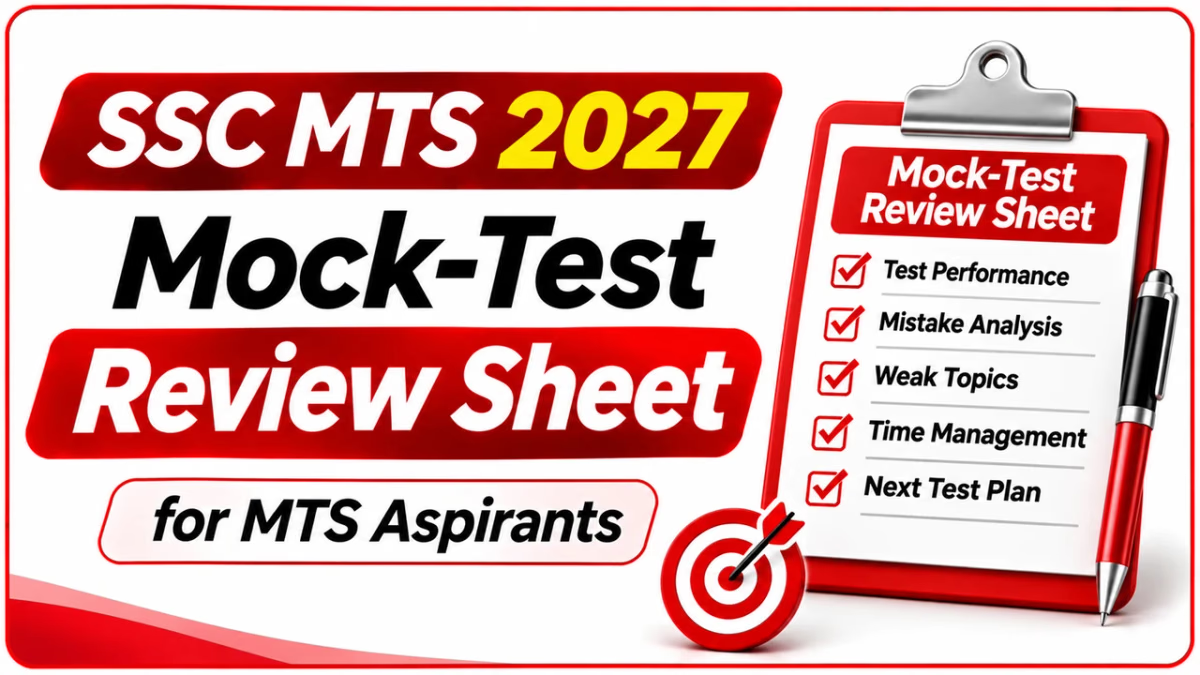
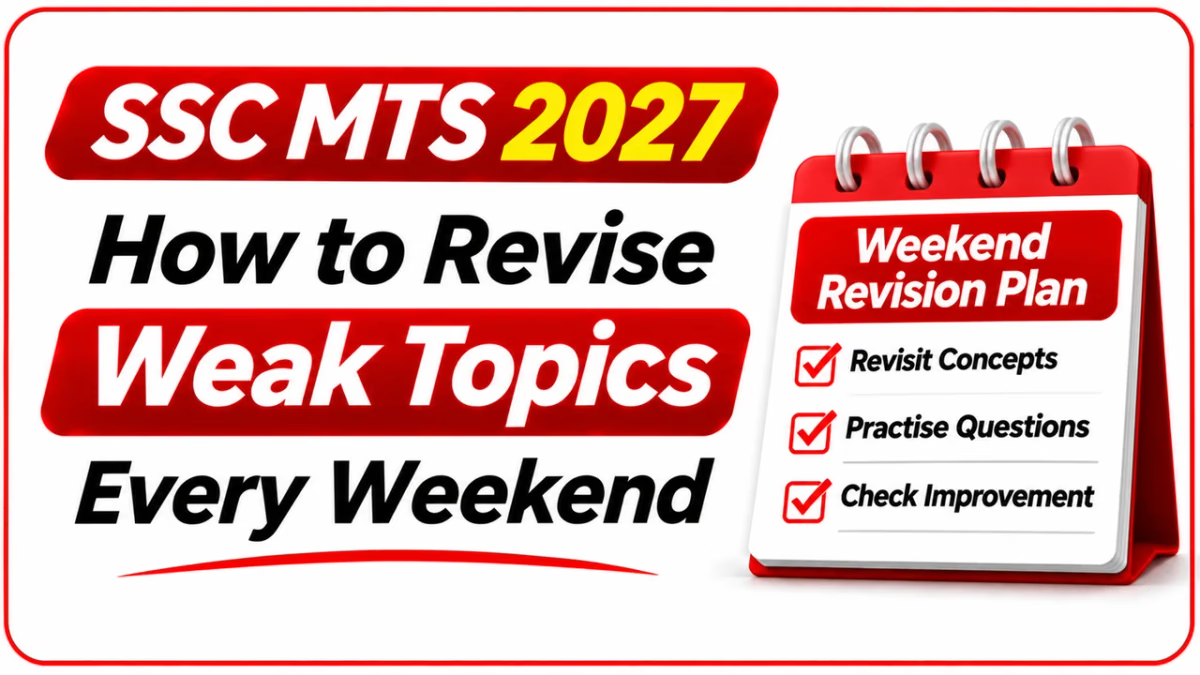
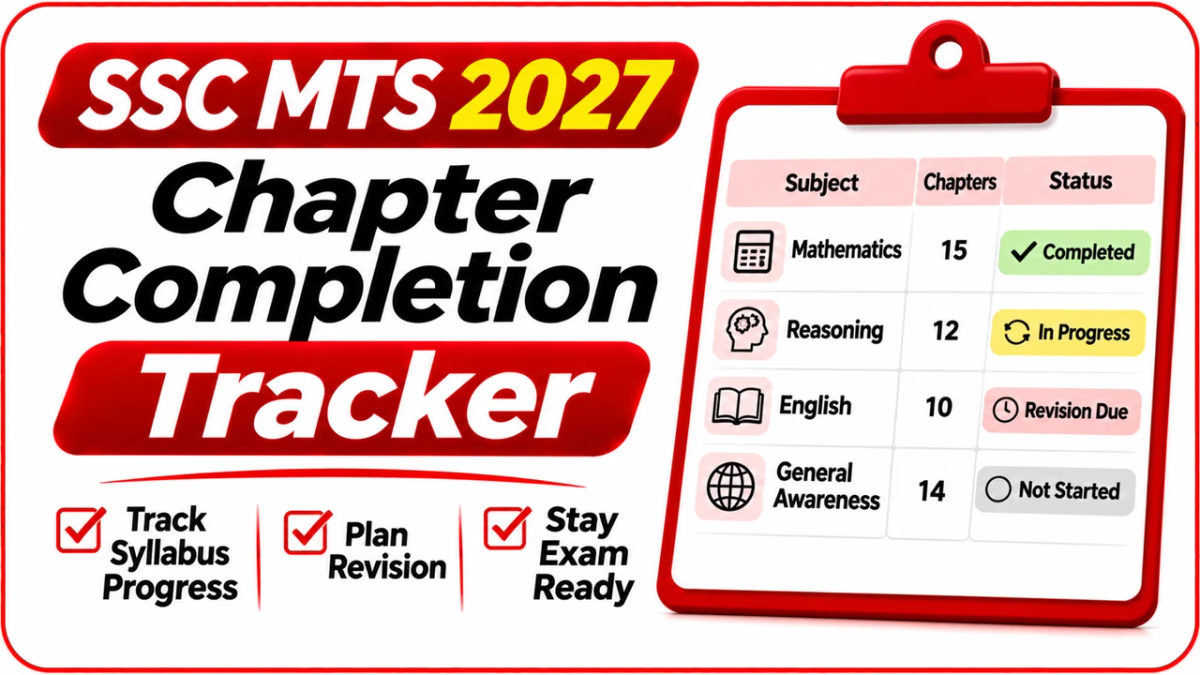
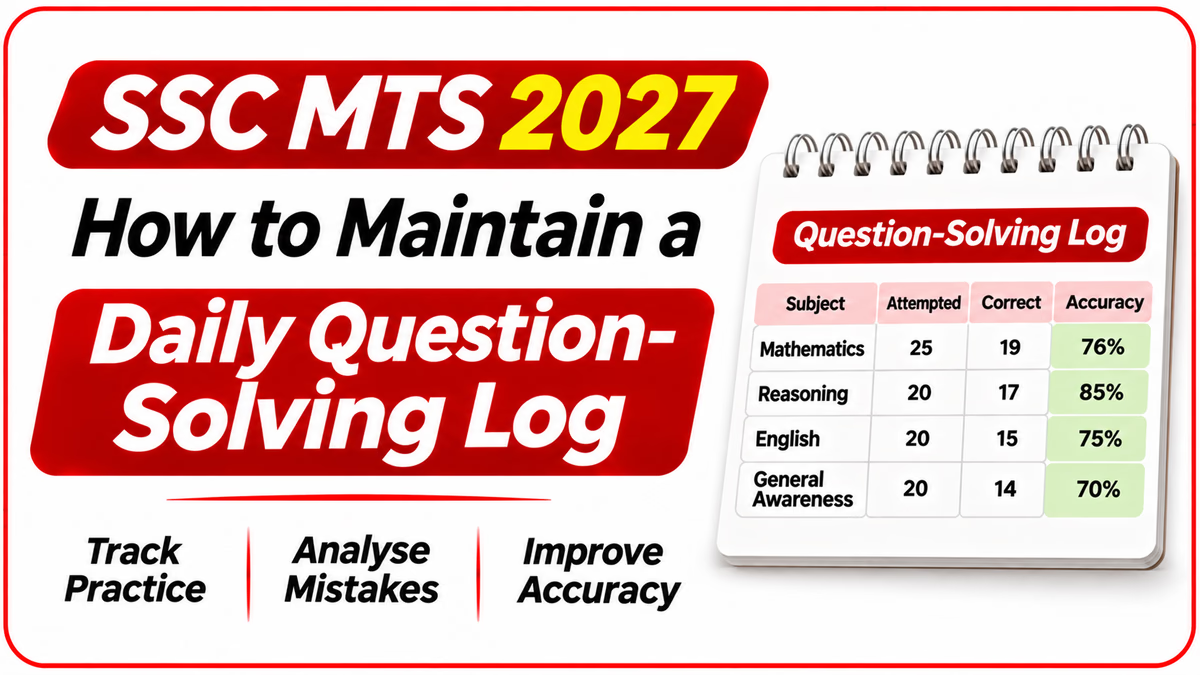
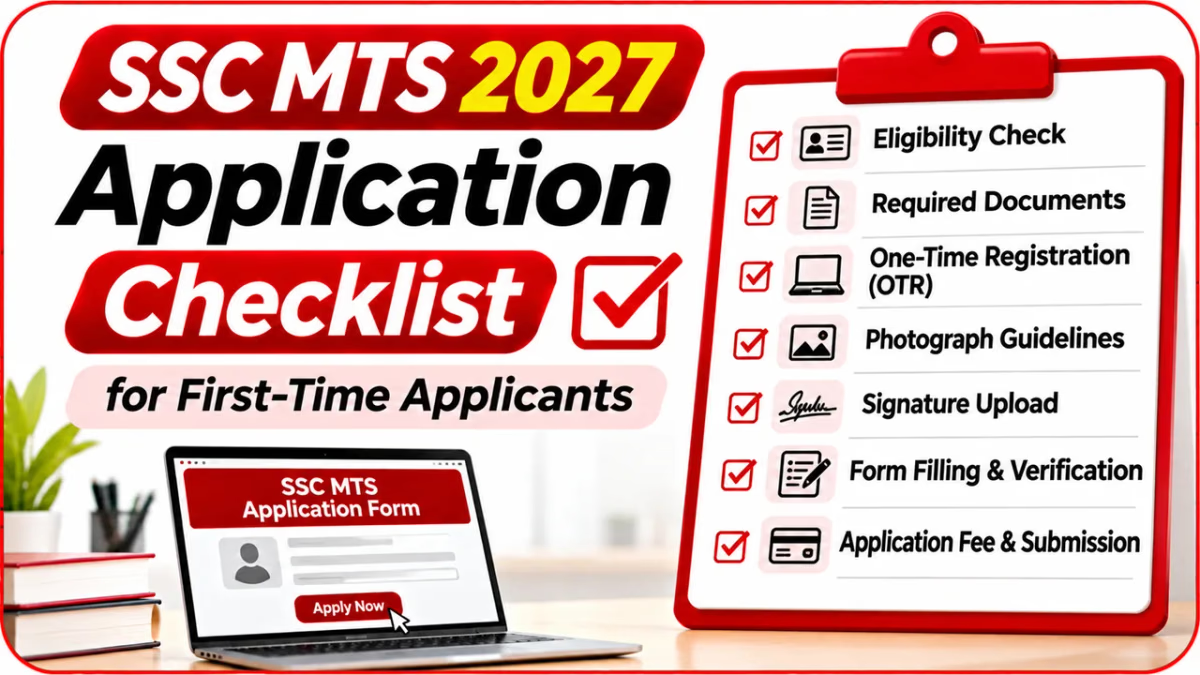
 Defence
 SSC
 Govt Job